MATSUMOTO SELECTION – Delicious Water for Everyday Life: The Story of Matsumoto’s “Water” Souvenirs
Matsumoto City is surrounded by mountains
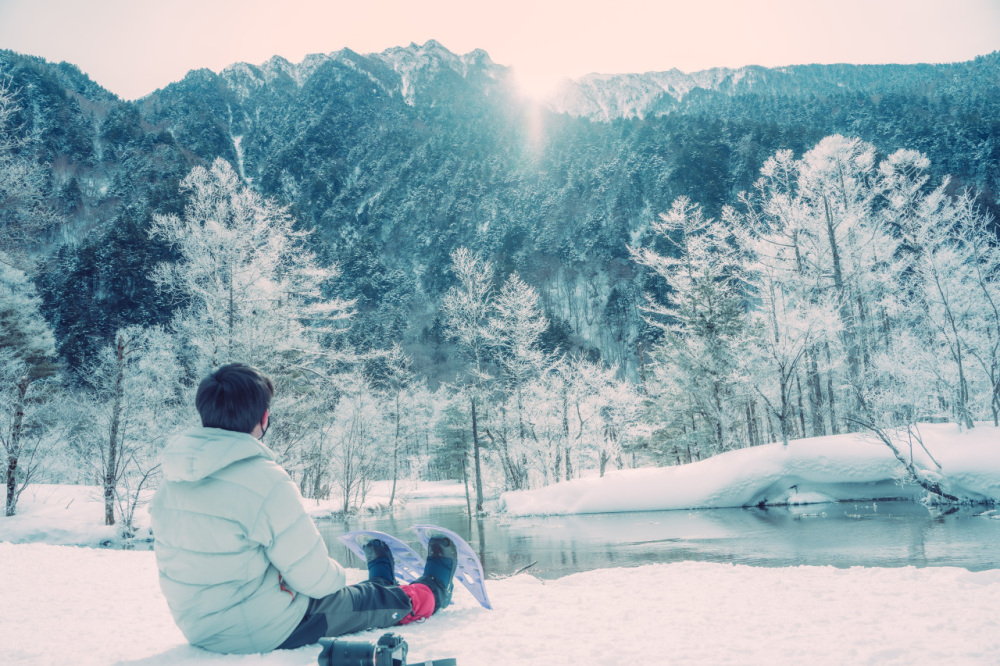
. In fact, it could be said that the city sits atop a natural reservoir. Rain and snow that fall on areas such as the Utsukushigahara Plateau seep into the ground, traveling for years as they absorb minerals along the way.
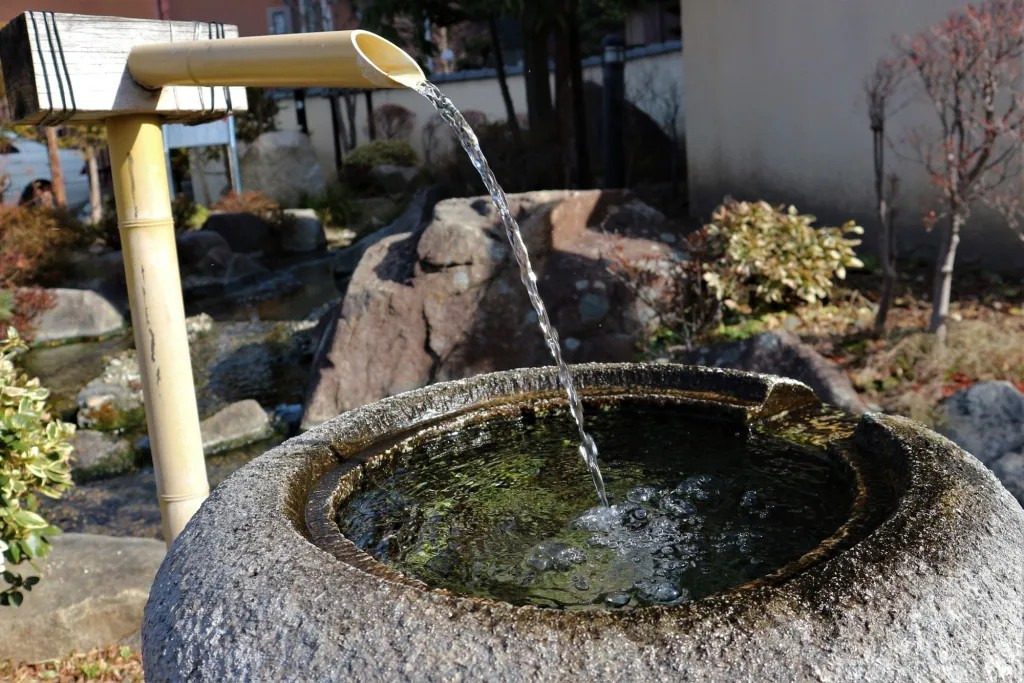
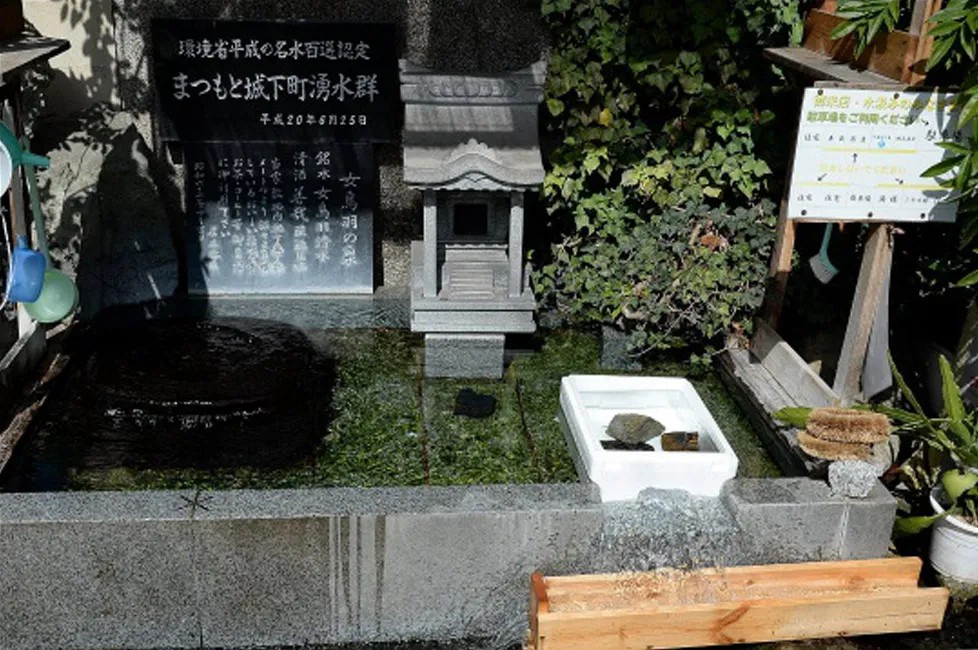
Furthermore, groundwater flowing underground from the Usukawa and Metoba Rivers, which run through the city, also accumulates in this “water reservoir.” As a result, water under pressure beneath the ground bubbles up all over the city in search of an outlet. The quality of this spring water is so exceptional that it has been designated as the “Matsumoto Castle Town Spring Water Group” and recognized by the Ministry of the Environment as one of the “100 Famous Waters of the Heisei Era.”
In areas where the water pressure is low, there are also wells where people dig a little deeper to draw the water.
However, since the water has traveled varying distances and depths, the amount of minerals it contains differs, and it’s fascinating how the taste varies slightly from one source to another.
It’s romantic to think that the spring water you’re drinking right now might be rainwater from 300 years ago, but that also means we must take care of the environment so that people 300 years from now can drink this water with peace of mind.
Thanks to its abundance of clean water, Matsumoto has long been a center for dyeing. It seems there were even shops that specified which spring water to use for the final rinse. Additionally, historical records note that during the Edo period, the town surrounding Matsumoto Castle was home to many tofu shops, which required large amounts of water.
The spring water maintains a temperature of around 12–14°C year-round. It feels cool in summer and warm in winter. In winter, we use this spring water to wash vegetables for pickling; in summer, we use it to chill watermelons and vegetables, mix drinks, brew coffee, or cook rice... Since this spring water has been so deeply integrated into our daily lives for so long, we might have forgotten just how precious it is.
Now, this water is also used to create sweets, beverages, and souvenirs unique to Matsumoto.
This article features content originally
current as of July 2019.
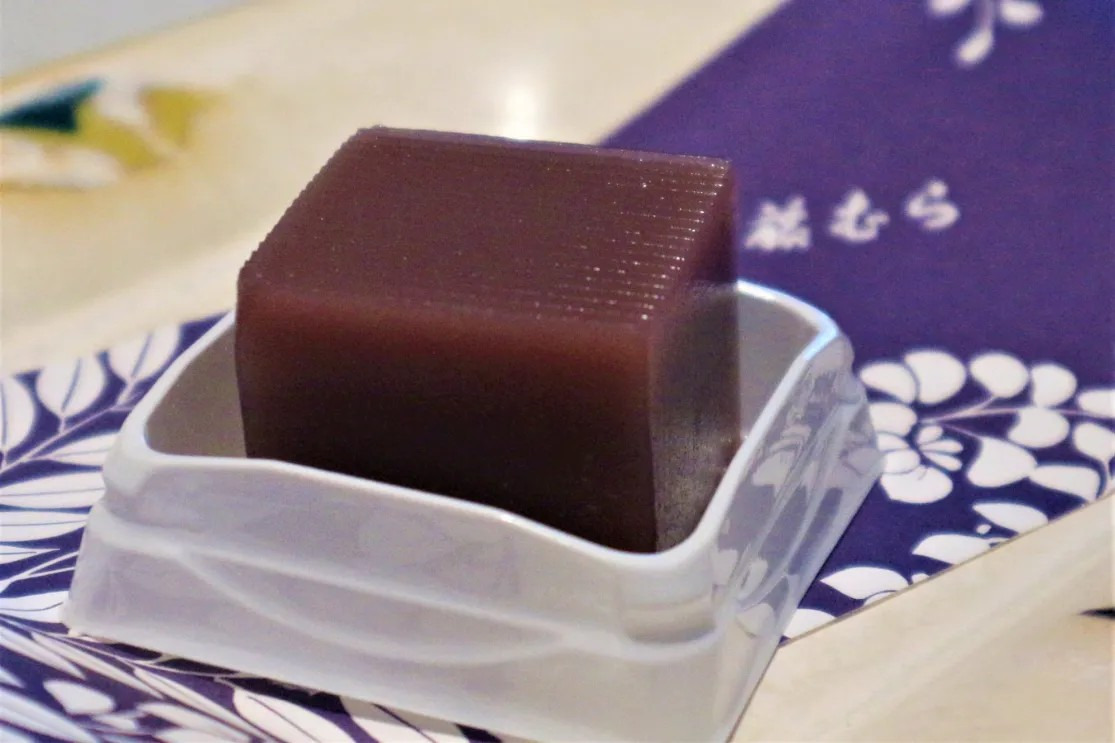
"Fujimura's" Delicate "Mizu Yokan"
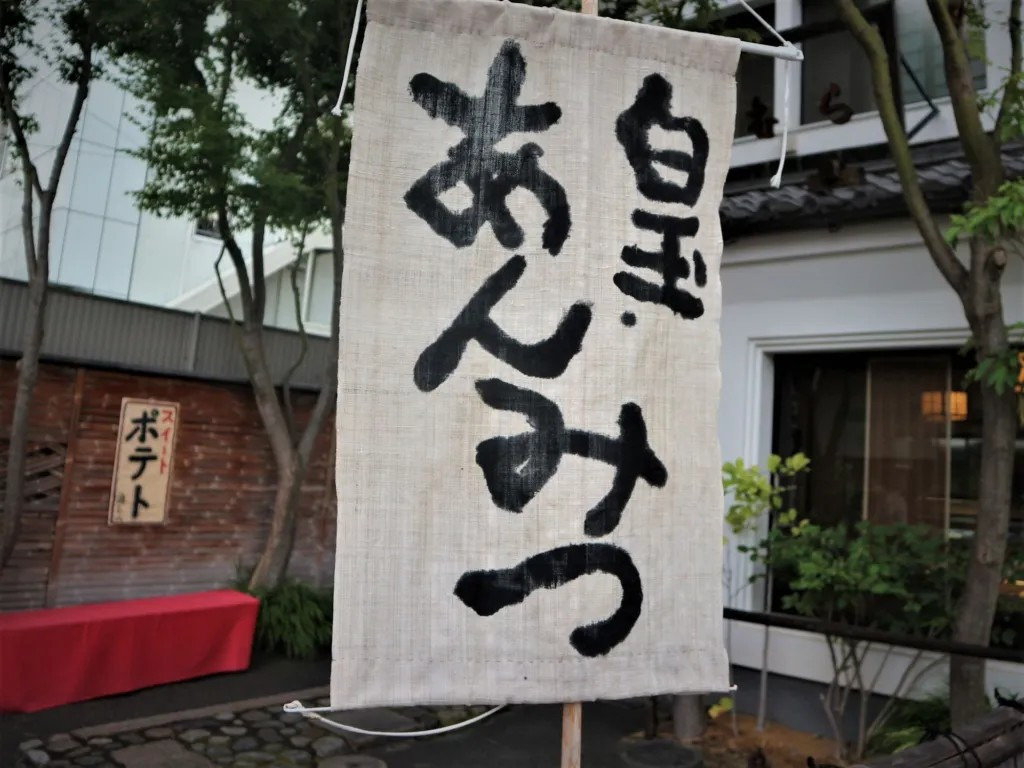
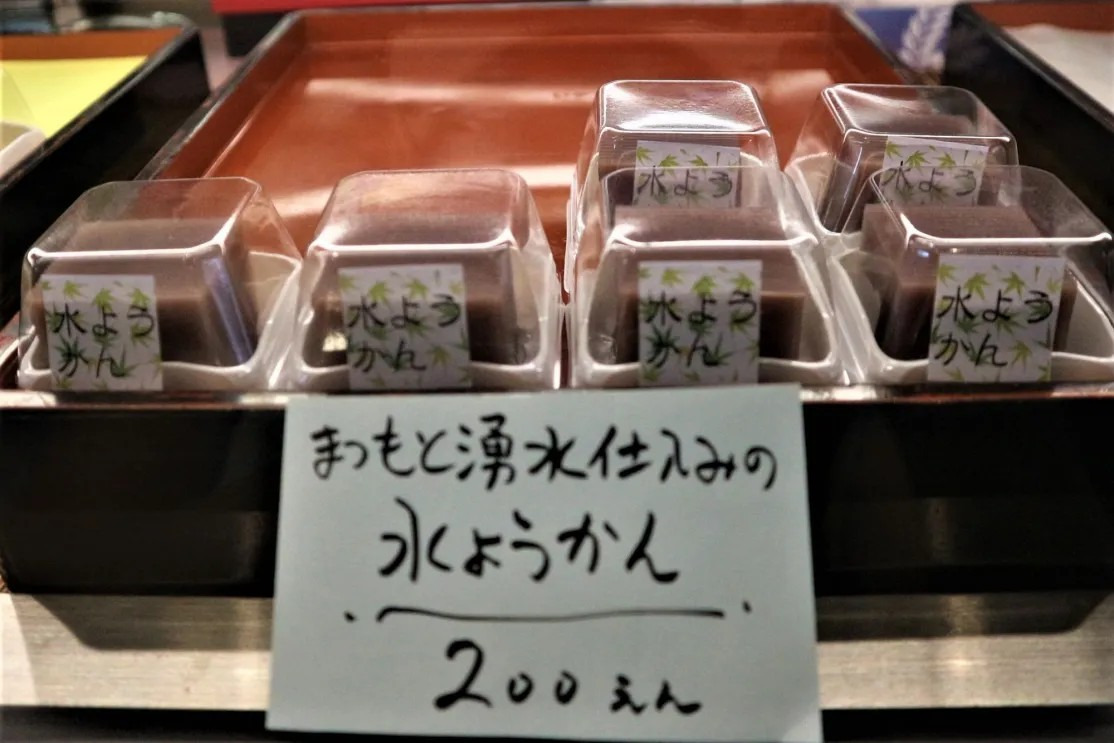
Founded in 1938, Fujimura is a family-run shop where the current third-generation president makes traditional Japanese sweets and his father, the previous owner, makes Western-style pastries; it enjoys immense popularity locally. In addition to traditional Japanese sweets, they also offer items like sweet potatoes and raisin cookies, making it a real pleasure to choose from such a wide variety of treats.
"Fujimura’s" "Mizu-yokan," made using the shop’s abundant spring water, has been sold since the shop’s founding.
With a subtle sweetness that spreads across the palate and a texture that’s just right for a tired body, it’s the perfect treat for a hot summer day.
The Shiratama Anmitsu is also popular.
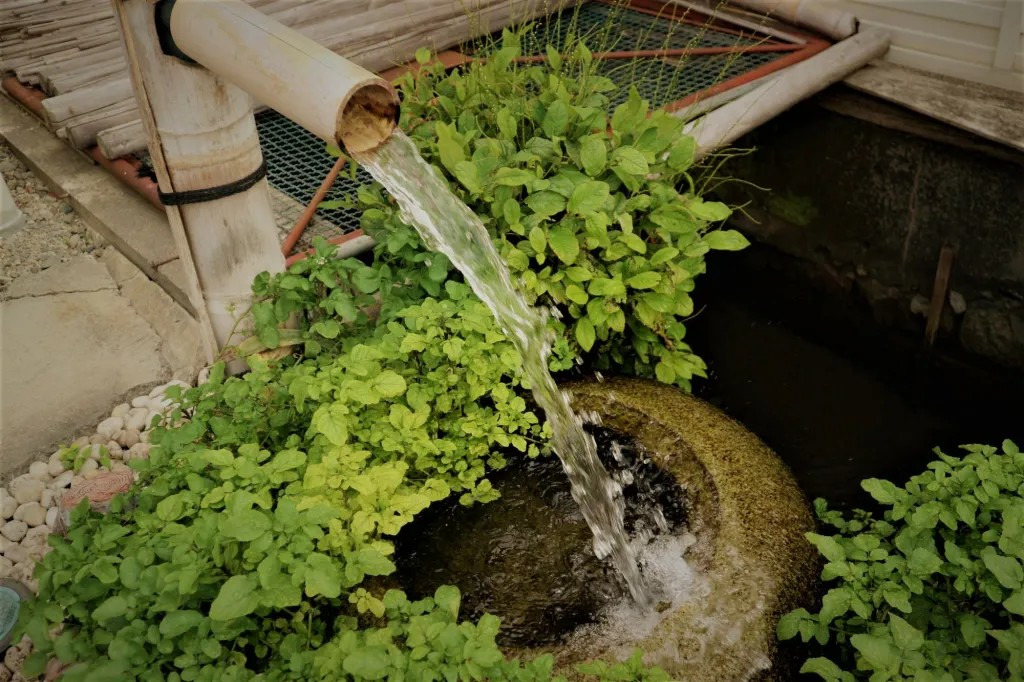
In front of the shop, abundant water bubbles up from the “Tokutake Well.” The “Jaga River” also flows alongside the shop.
Our award-winning, artisanal tofu
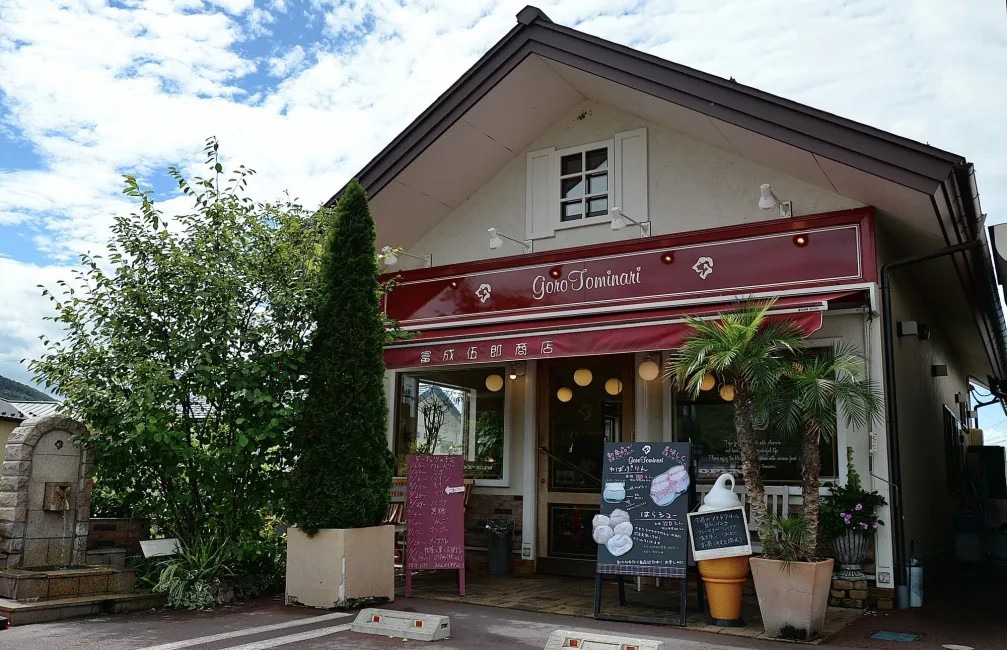
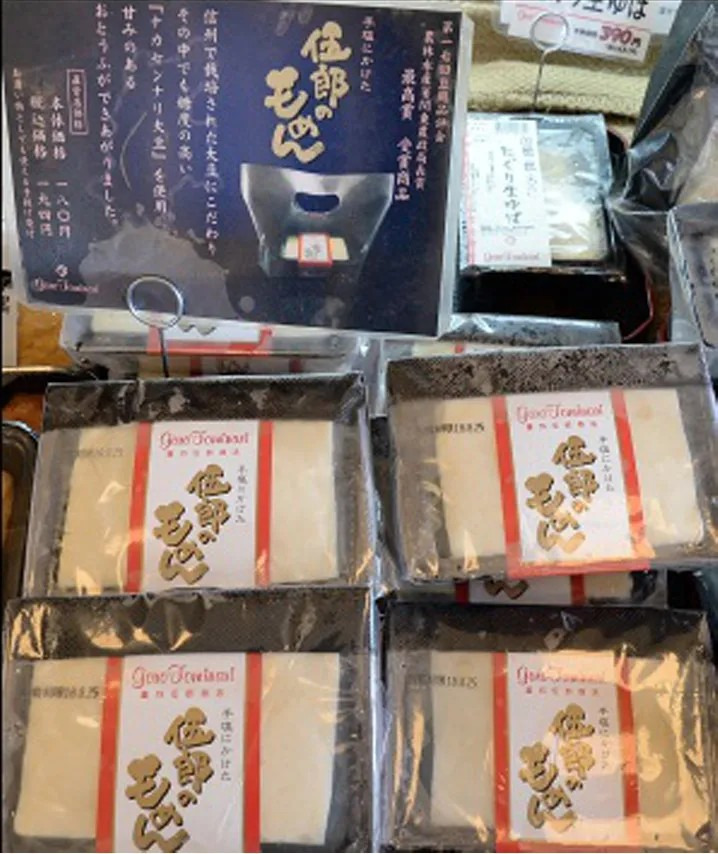
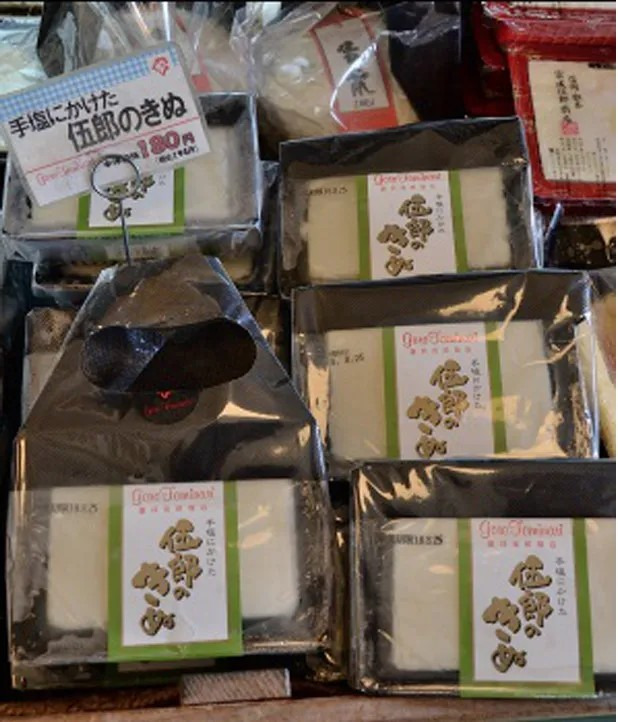
This is a long-established tofu shop founded in 1927 (Showa 2). In addition to tofu, they sell prepared foods and sweets made from soybeans and other legumes.
This tofu shop has won a gold medal at a competition to determine Japan’s best.
We use a variety of soybeans called Nakasenari, grown in Nagano. Our tofu has a rich, robust flavor and a natural sweetness derived from the soybeans.
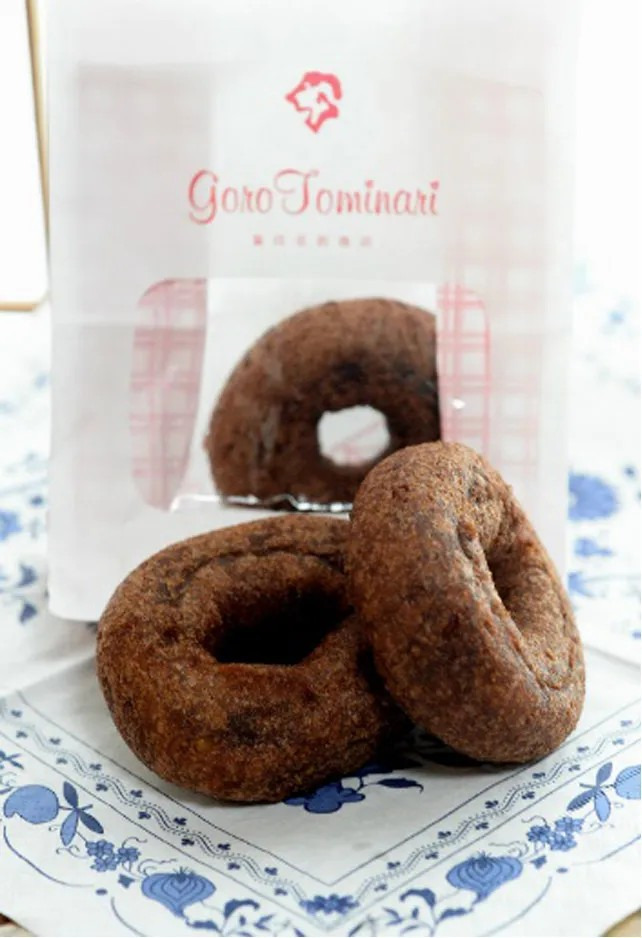
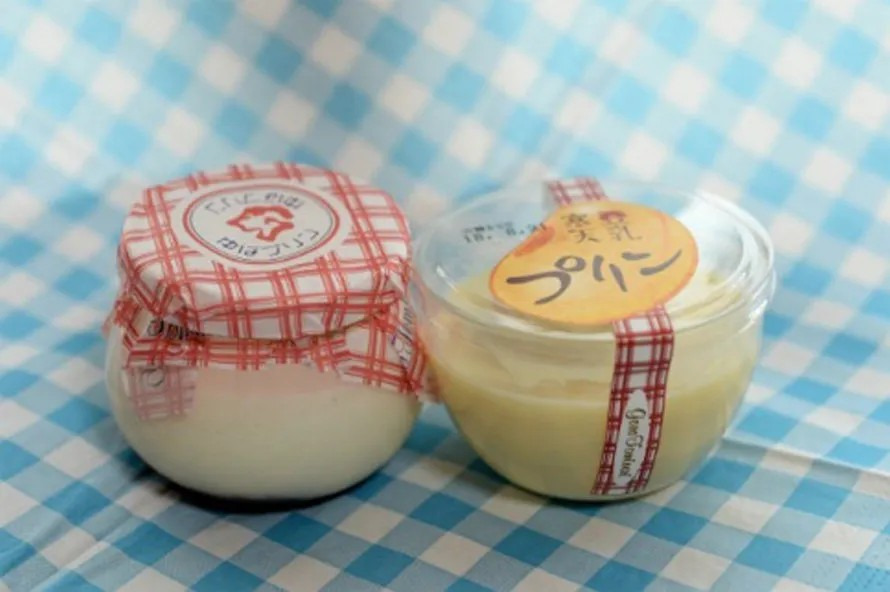
Our tofu donuts, soy milk pudding, and soy milk soft-serve are all made with soy milk, making them very healthy. The gentle, subtle sweetness of the soy milk is addictive. The more you savor these products, the more you’ll notice the natural sweetness of the soybeans.
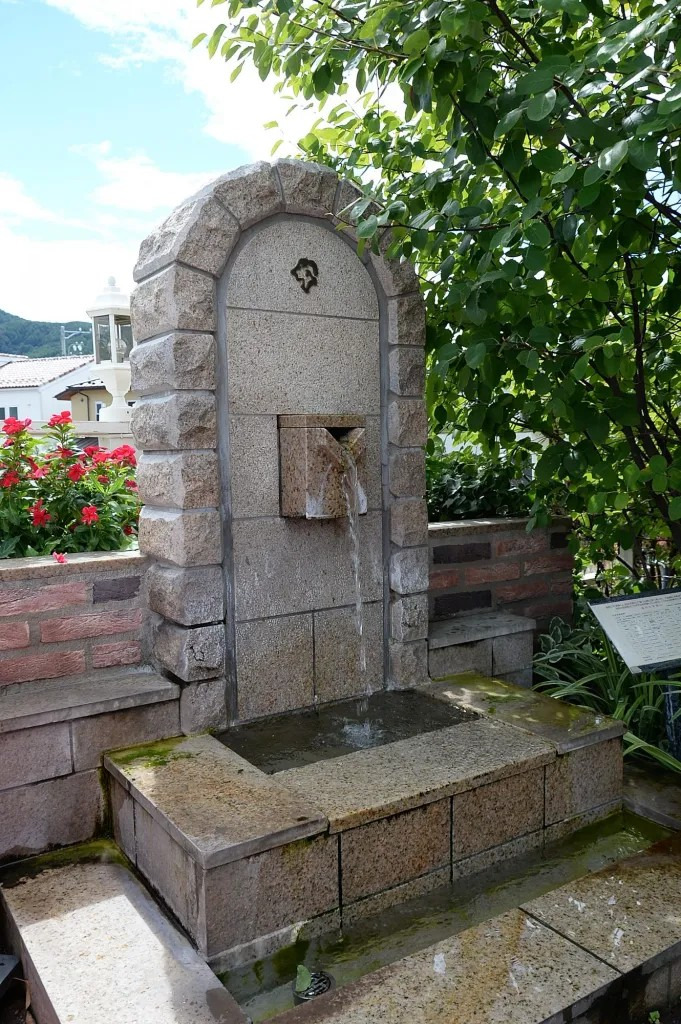
All products are made using well water drawn from a depth of 37 meters beneath the factory grounds.
A refreshingly sweet taste: Amazake from the local liquor store
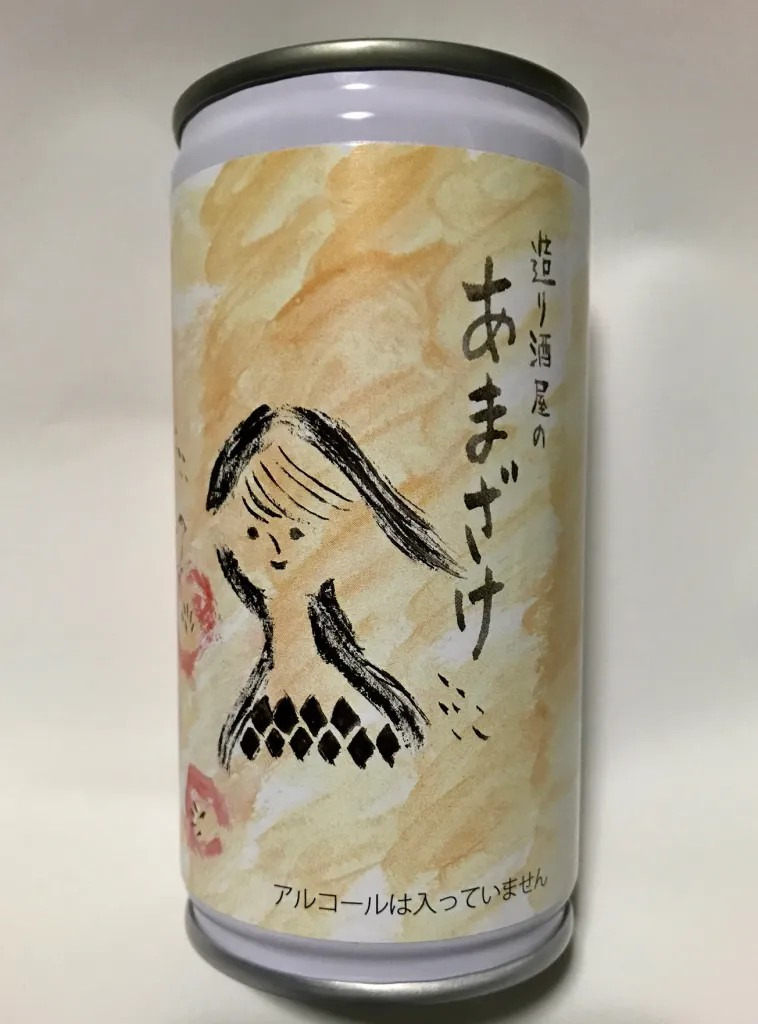
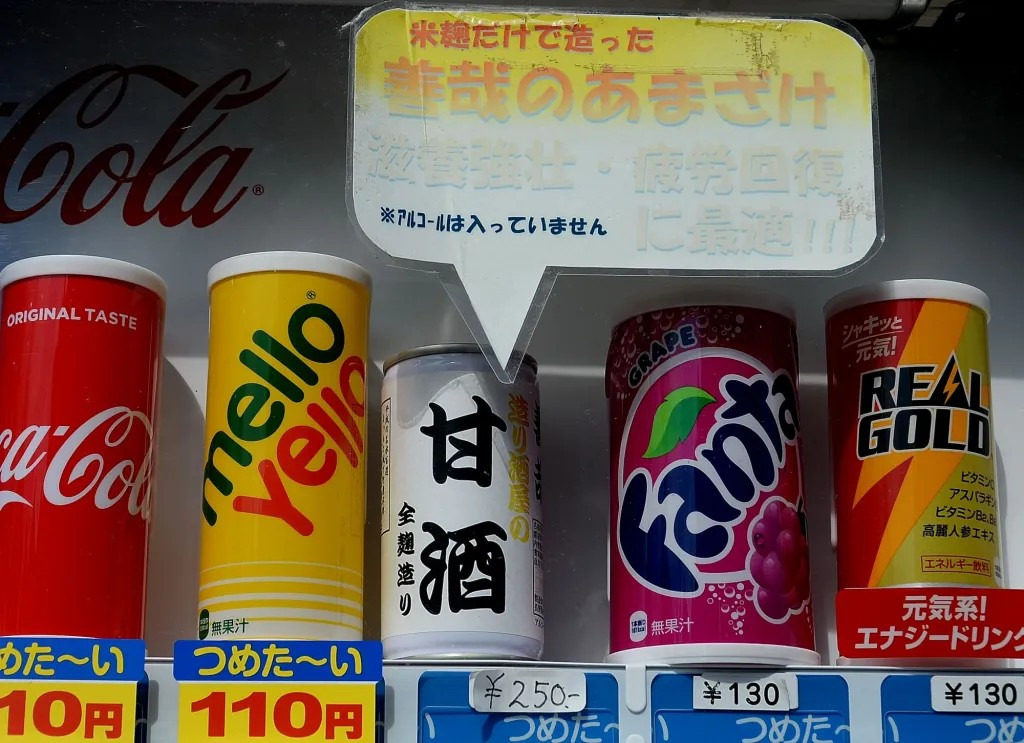
Yoikana Shuzo, founded 80 years ago, has named the spring water it draws from a depth of 28 meters on its premises “Meotoba no Izumi” and has been using it as brewing water ever since. It is the only brewery remaining in the city center.
While their sake is, of course, delicious, what I’d like to introduce today is Yoikana Shuzo’s amazake.
Made exclusively from rice koji, this amazake has a clean, refined sweetness. It is said to have nourishing and skin-beautifying effects. You can also purchase it from the vending machine in front of the shop.
Craft beer from Matsumoto! Matsumoto Brewery
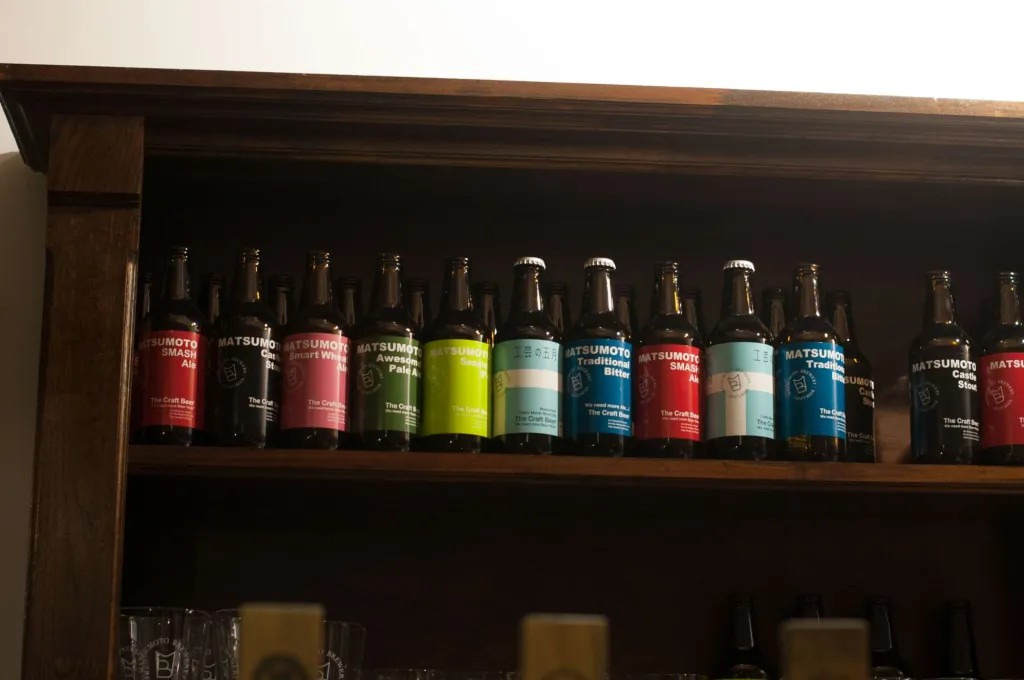
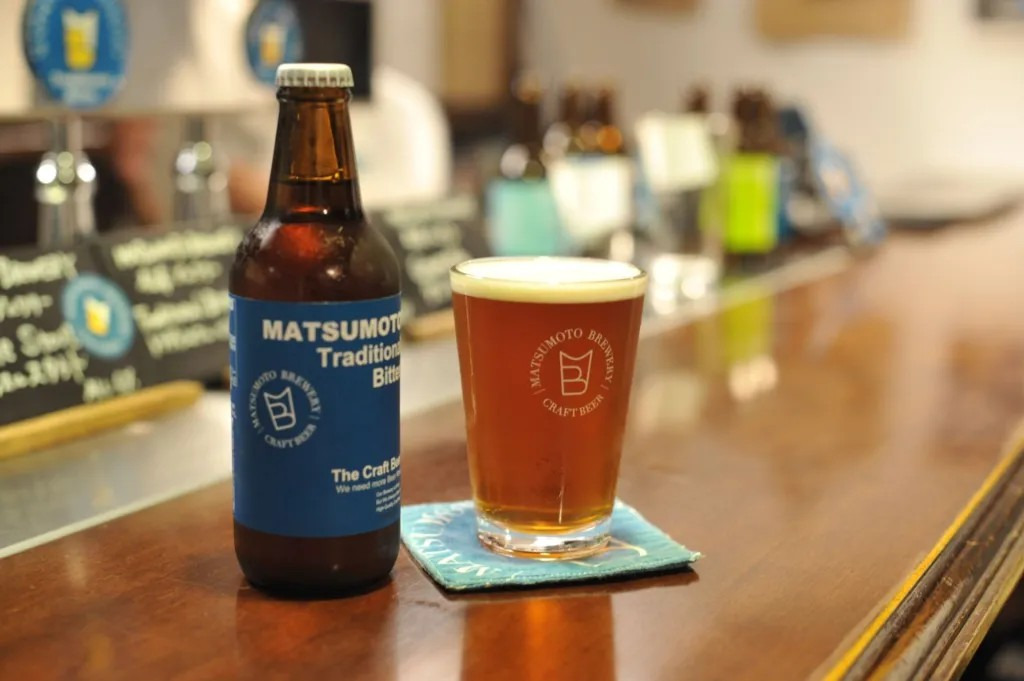
Founded in 2016, the company opened its own brewery in 2018 and uses water from Matsumoto as its brewing water.
We are constantly introducing new beers, including those made with locally grown agricultural products from Matsumoto. Our beers offer the unique satisfaction of craft beer and a playful spirit, delighting both local fans and craft beer-loving tourists alike.
You can enjoy draft beer at the Matsumoto Brewery Taproom Honmachi Branch, located within the Shinmai Media Garden on Nakamachi Street. Several varieties of bottled beer are always available, so we recommend picking up a few different types as souvenirs for beer lovers.
MATSUMOTO Traditionnel Bitter is a staple offering. It features a robust malt flavor yet goes down smoothly, making it a flavor that appeals to many.
Summary
There are many other examples of Matsumoto’s pride in its water.
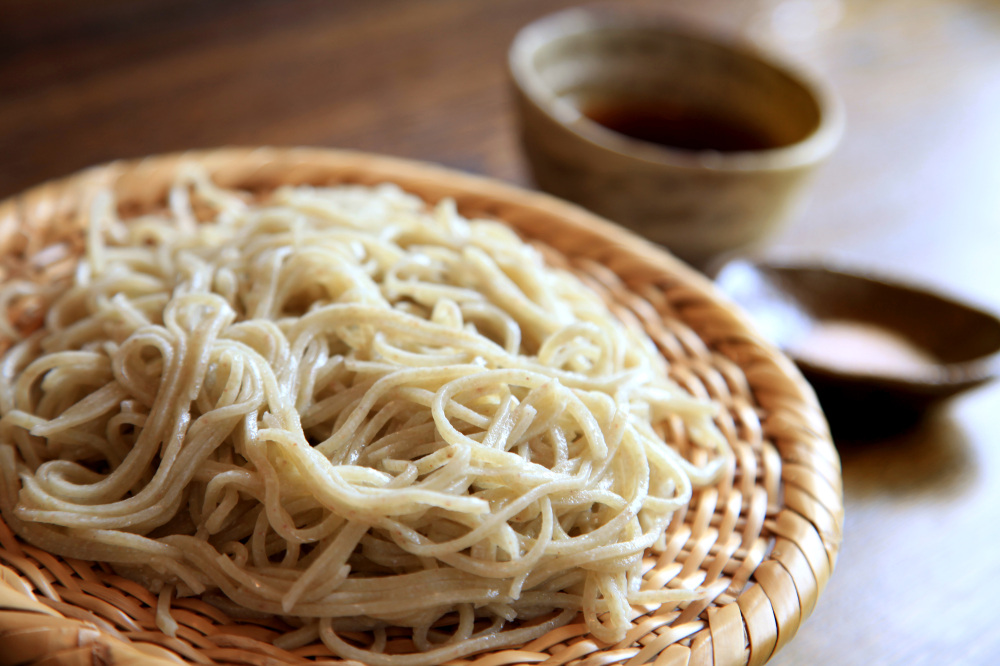
From coffee and tea brewed with spring water from the shop’s own grounds, to highballs made with spring water at bars, to soba restaurants that use it, and even the spring water used by dye shops for their final rinse… It’s not just businesses; many individuals also have their own special ways of using it—whether for cooking rice, brewing tea, filling their bathtubs, or doing laundry. It’s a real pleasure to hear these stories at the many local gathering spots.
Be sure to go on a “water tour” to discover Matsumoto’s “water,” which is deeply rooted in daily life!!
![[First-Time Matsumoto Travel Guide] A Comprehensive Guide to Matsumoto’s Charms: From Stunning Views to Hot Springs and Local Cuisine](/lsc/upfile/article/0000/0028/28_1_m.jpg)
![How to get to Matsumoto: A detailed explanation [JR/bus/plane]](/lsc/upfile/article/0000/0033/33_1_m.jpg)
![[The Gateway to the Alps] The highlights of Matsumoto City’s mountain resorts](/lsc/upfile/article/0000/0024/24_1_m.jpg)