[The Gateway to the Alps] The highlights of Matsumoto City’s mountain resorts
Matsumoto City is located at the foot of the Northern Alps, the so-called “roof of Japan,” and the city itself is the gateway to mountain resorts that tempt travelers from all over the world. Kamikochi, the Norikura Highlands, and Utsukushigahara all lie at heights of 1,500 meters or more, and each attract visitors through their distinctly different characteristics. In one area, the clean flow of emerald-green waters will clear your mind, and in another, a ridgeline of 3,000-meter-high mountains looms on an overwhelming scale. There’s the contrast between the lingering snow and the fresh greenery in the spring, the highlands—said to be a natural cooler—in the summer, and the mountains dyed by the bright autumn foliage in the fall. Time isn't measured by the clock here; it’s marked by the movement of the sun and the passing of the clouds. Step away from the hustle and bustle of the city and head to a retreat where you can surrender yourself to the breath of nature. Use Matsumoto City as a base and let us guide you deep inside superb scenery that will stir your heart.
Contents
Show More
- What are the mountain resorts of Matsumoto City?
- [One of Japan’s best mountainous areas with picturesque scenery] Kamikochi
- [An extraordinary mountain resort with diverse peaks 1,500 meters to 3,000 meters high] Norikura
- [Popular among first-time visitors] Utsukushigahara Highlands
- [Aim for the top] Climbing in the real Northern Alps
- Experience itineraries to enjoy the natural world
- Summary
- Useful information: Enjoy the mountains even more!
![[The Gateway to the Alps] The highlights of Matsumoto City’s mountain resorts](/lsc/upfile/article/0000/0024/24_1_l.jpg)
What are the mountain resorts of Matsumoto City?
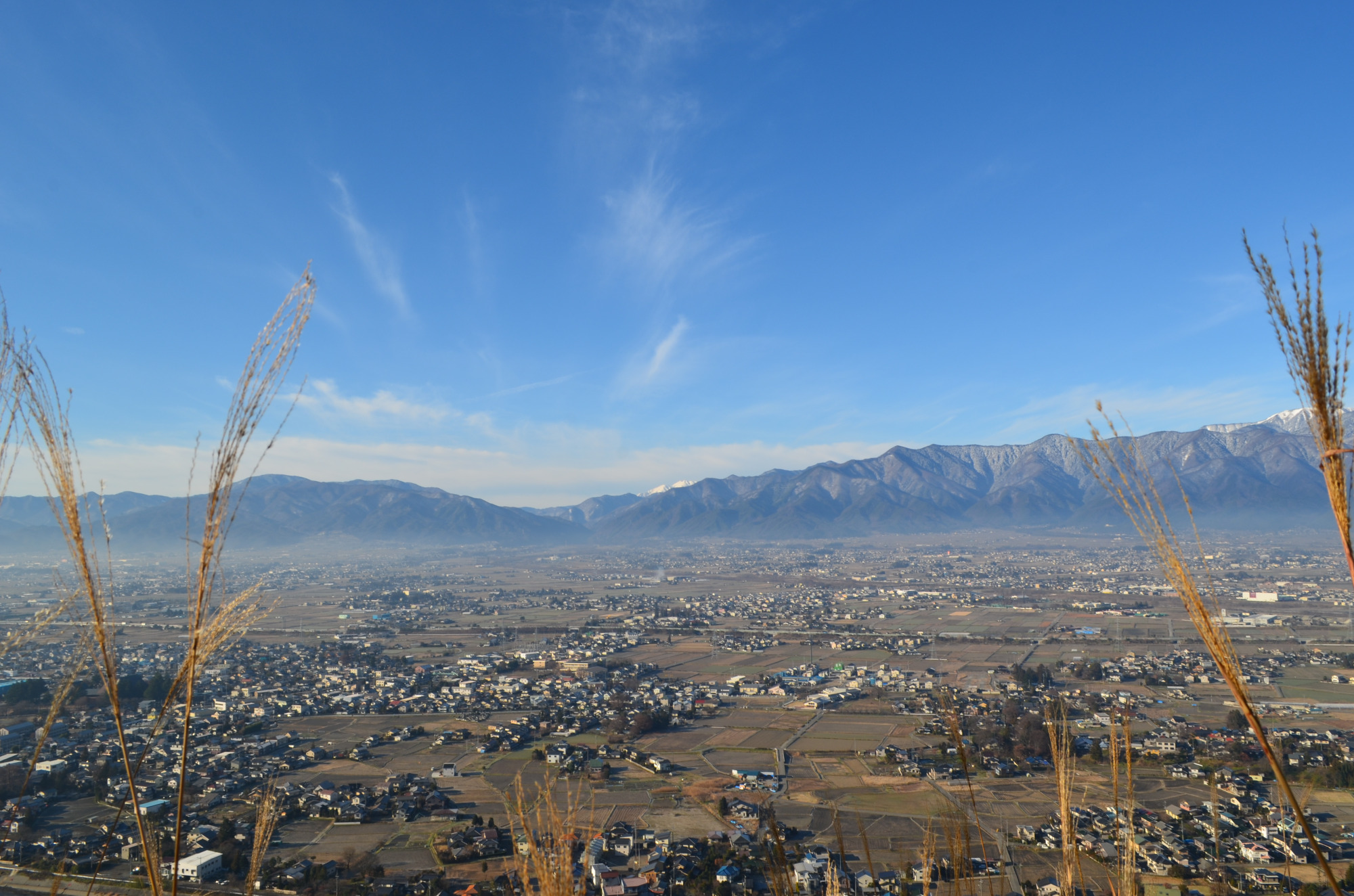
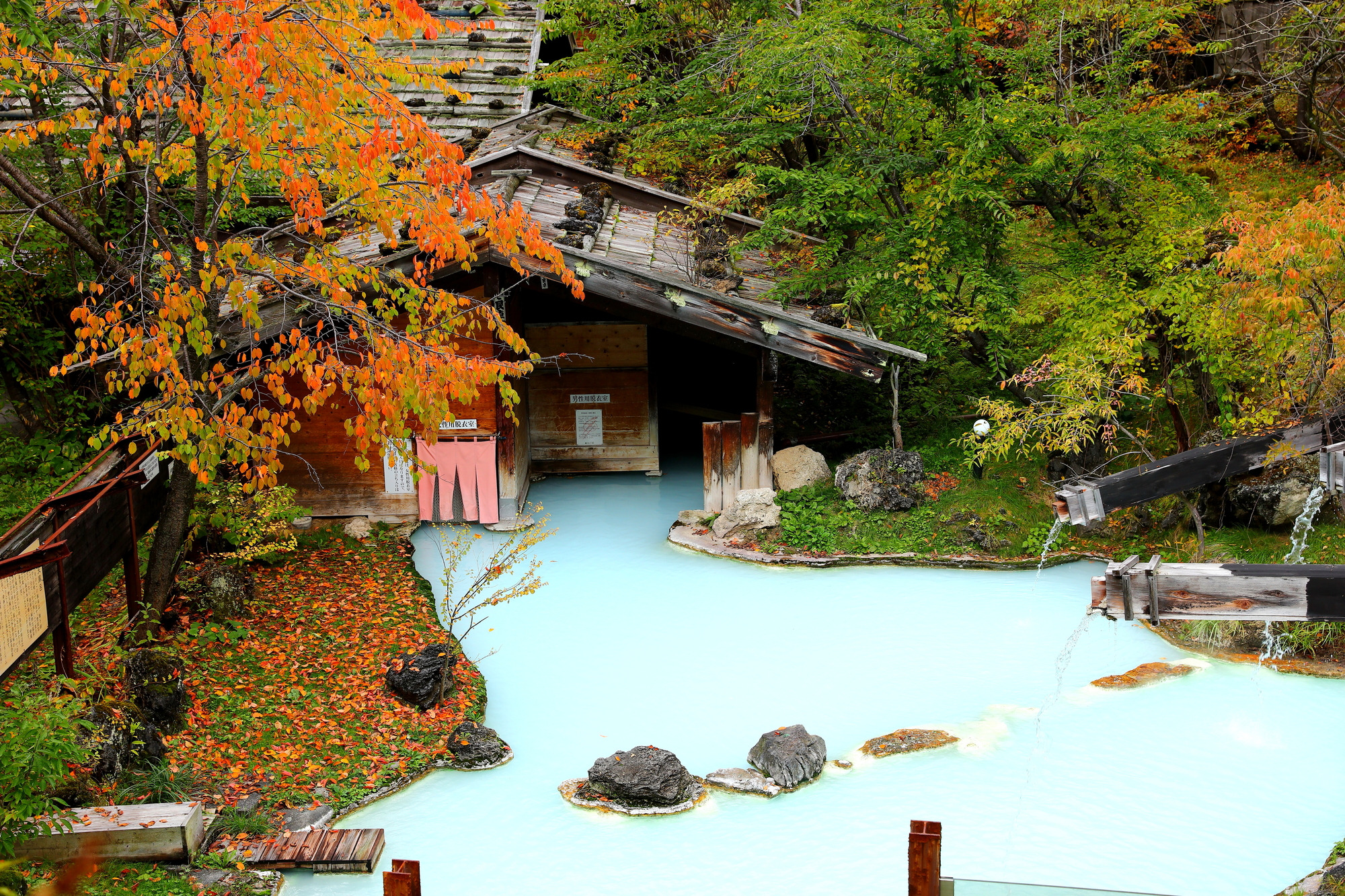
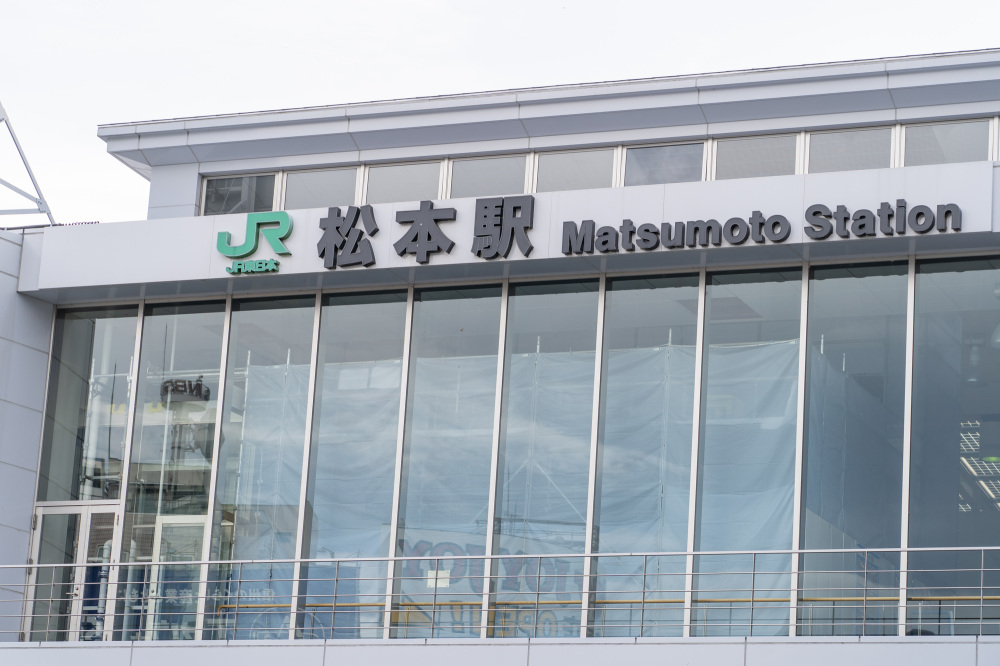
Matsumoto City is a rare mountain city surrounded by two of Japan’s representative national/quasi-national parks: to the west lies Chubusangaku National Park (Kamikochi, Norikura), with mountain peaks standing 3,000 meters high, and to the east is Yatsugatake-Chushin Kogen Quasi-National Park (Utsukushigahara), home to a vast highland plateau. Notably, it’s extremely simple to access these parks. Using Matsumoto Station—easy to reach from big cities like Tokyo, Nagoya, and Osaka—as a base, you can take a day trip to experience an authentic natural world. Make the most of the stunning views above the clouds, 2,700 meters high, in the morning, experience history in a café in the castle town in the afternoon, and relieve your tiredness in the famous waters of Shirahone Onsen or Asama Hot Springs in the evening. Matsumoto is a city where nature, culture, and healing are seamlessly connected, offering travelers an ideal version of the sought-after “unaltered landscapes of Japan.”
[One of Japan’s best mountainous areas with picturesque scenery] Kamikochi
Kamikochi, which means “land where the gods descended,” is one of Japan’s best mountainous areas with picturesque scenery, lying 1,500 meters above sea level. There are strict rules concerning the use of personal cars, which prohibit regular vehicles from driving into these highlands year-round, protecting Kamikochi’s untouched natural world. Spring (late May onward) sees Anemone flaccida form a white carpet in the forest, while Kamikochi is a world of its own in summer, soothing seasonal visitors fleeing the heat with its average temperature of around 20 degrees. In October, the striking golden foliage of the Japanese larches (karamatsu) colors the valleys. You can visit the mountains from April 17 to November 15. Late April, immediately after the mountains become accessible, is a special period when you can see the Alps with lingering snow, but the stores and facilities may still be making preparations during this time, so we recommend you check in advance.
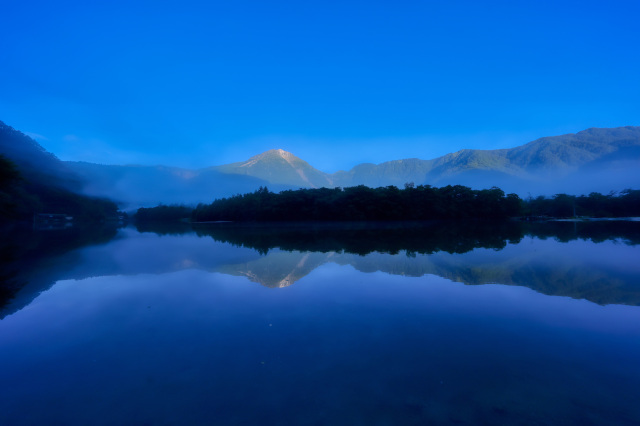
- Taishoike Pond
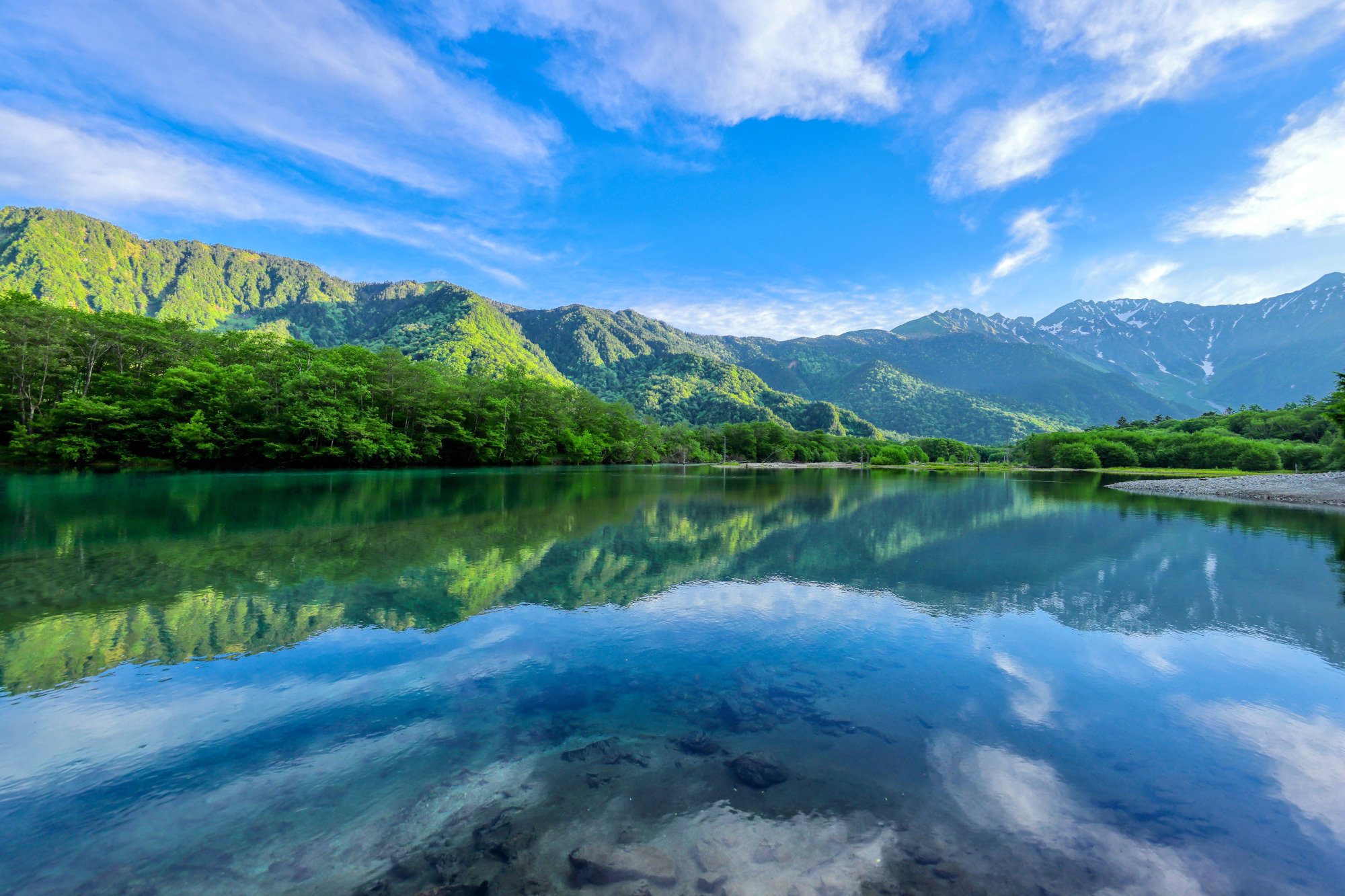
- The inverted reflection of the mountains on the surface of Taishoike Pond, shrouded in early morning mist, offers a glimpse of a whimsical world like that of an ink painting.
- Learn More
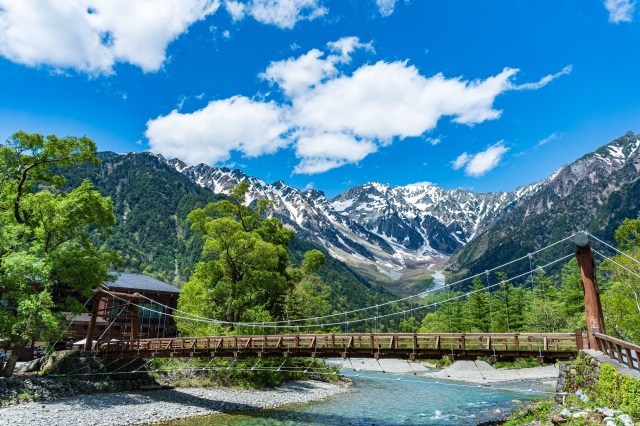
- Kappa Bridge
- Kappa Bridge is a symbol of Kamikochi, a wooden suspension bridge at an elevation of 1,500 meters. Originally a swing bridge, it…
- Learn More
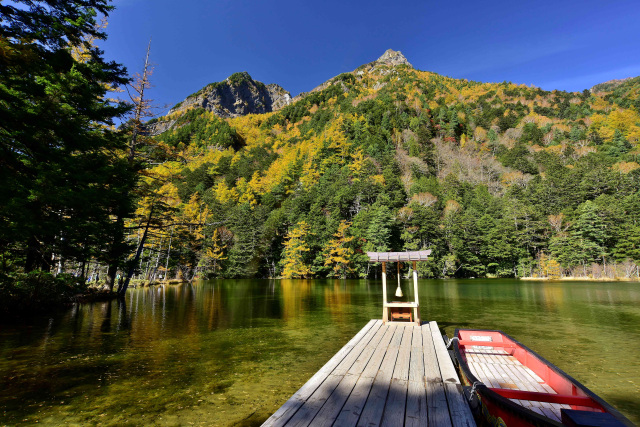
- Myojin Pond
- Head further into Kamikochi to find Myojin Pond, suffused with a mysterious tranquility, and experience the atmosphere of this sacred domain.
- Learn More
[An extraordinary mountain resort with diverse peaks 1,500 meters to 3,000 meters high] Norikura
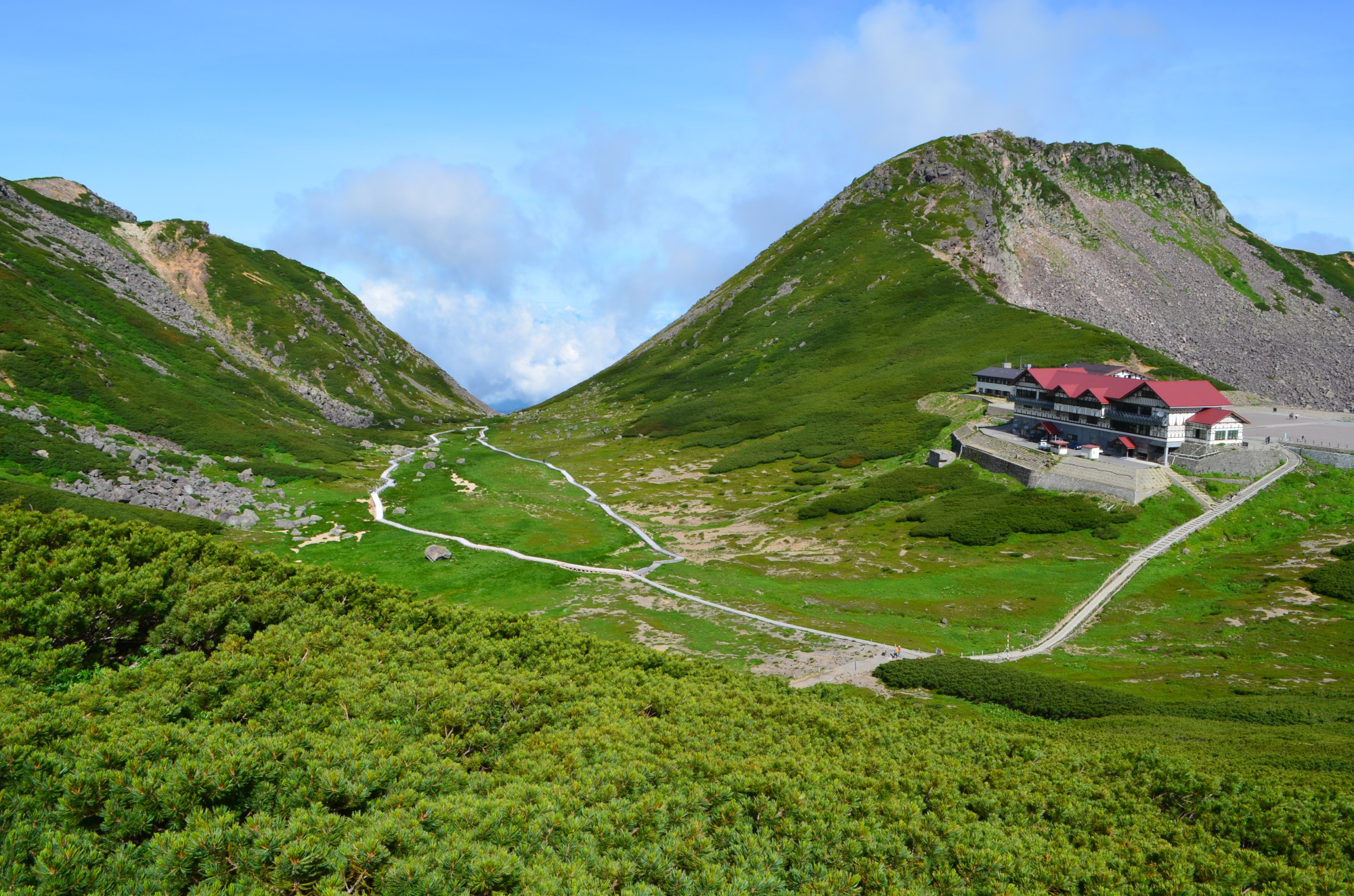
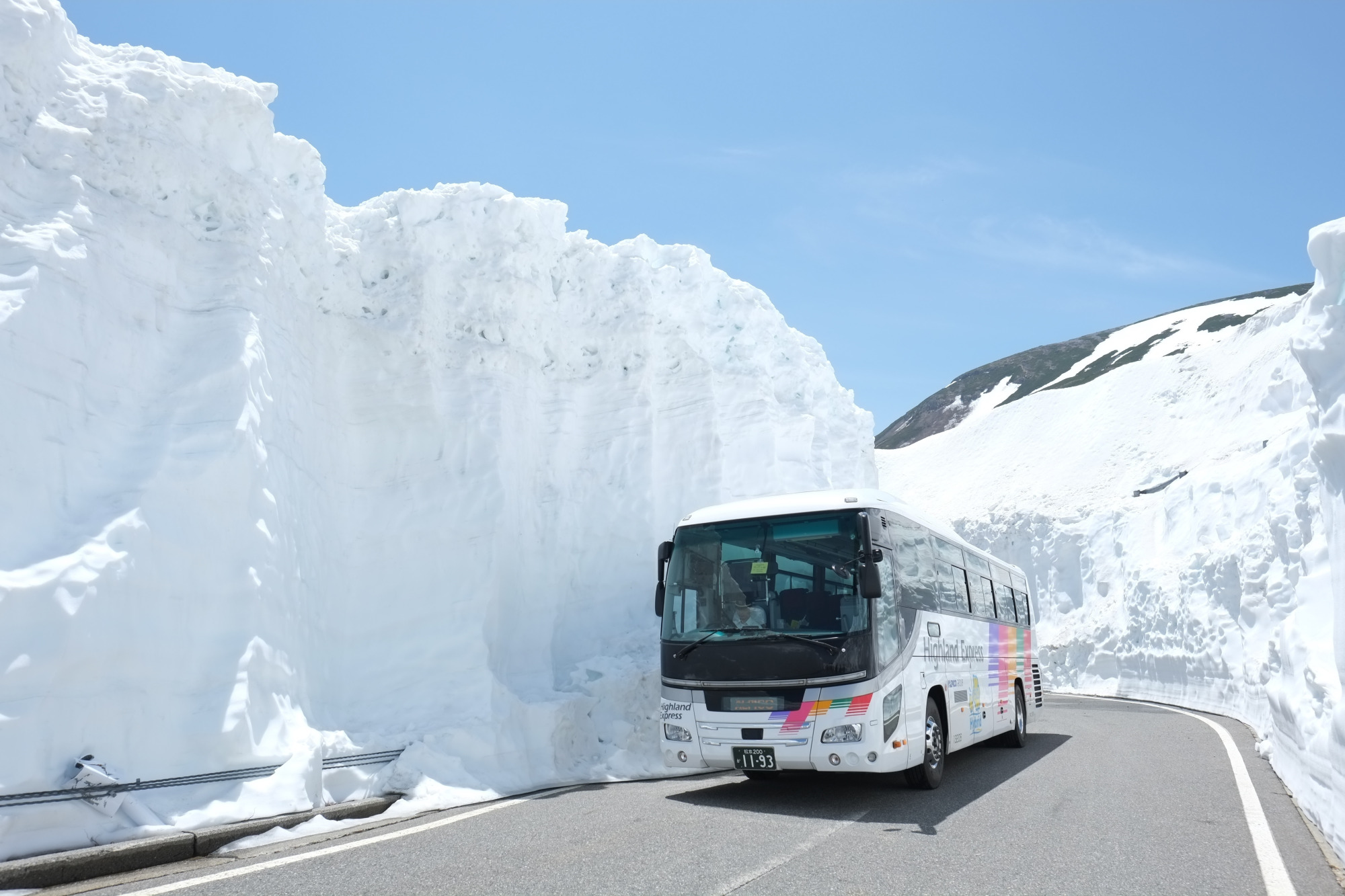
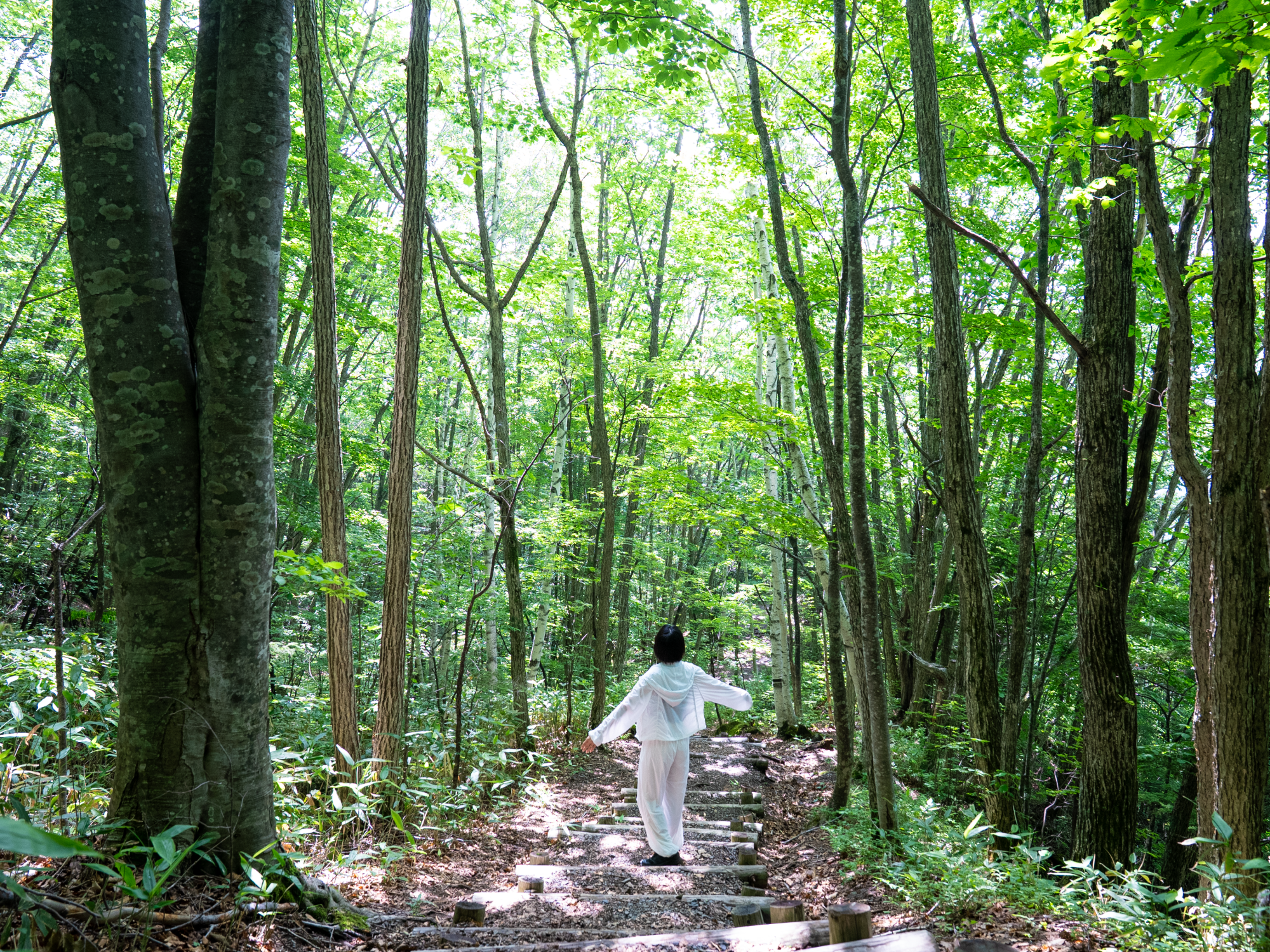
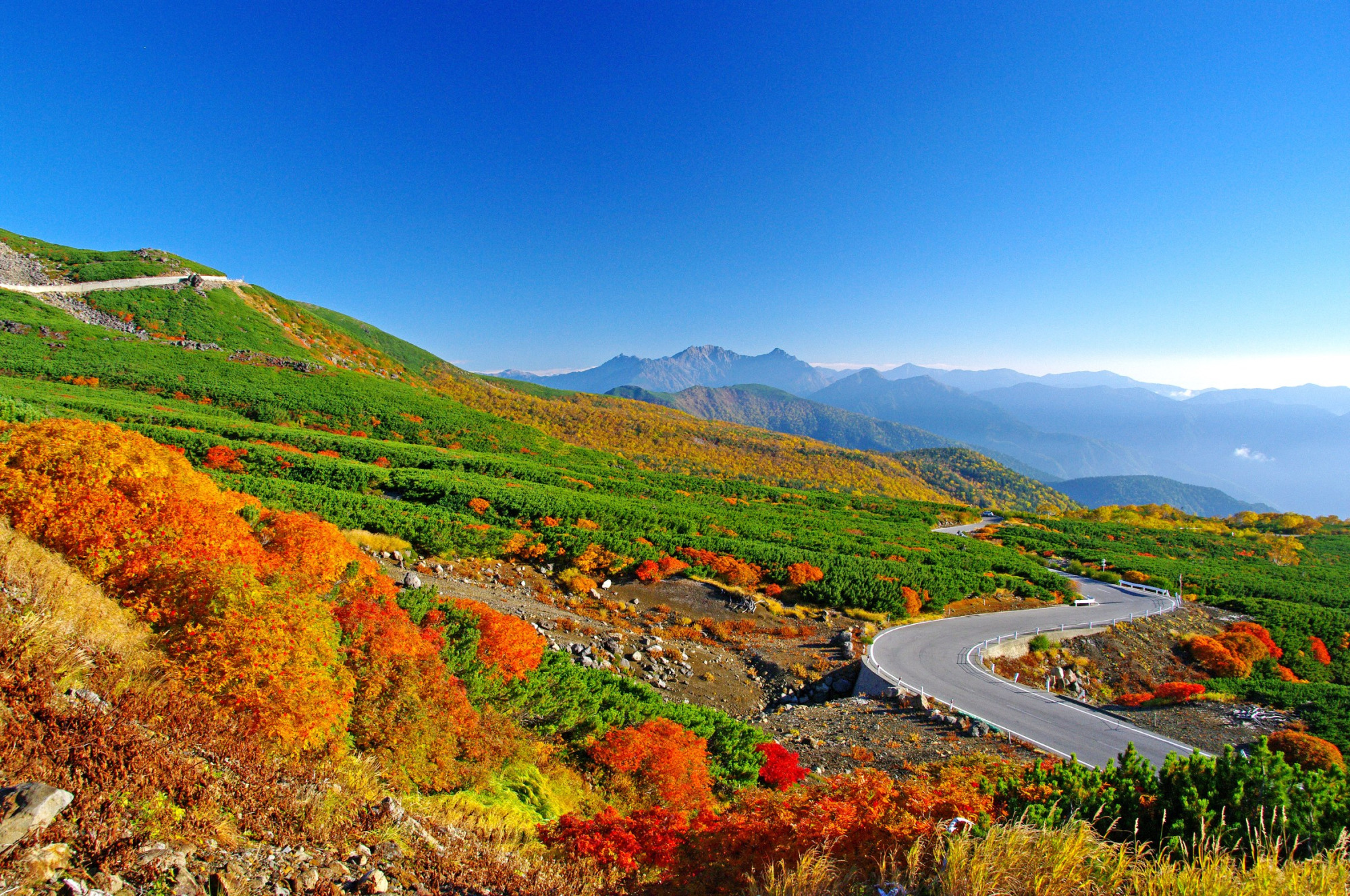
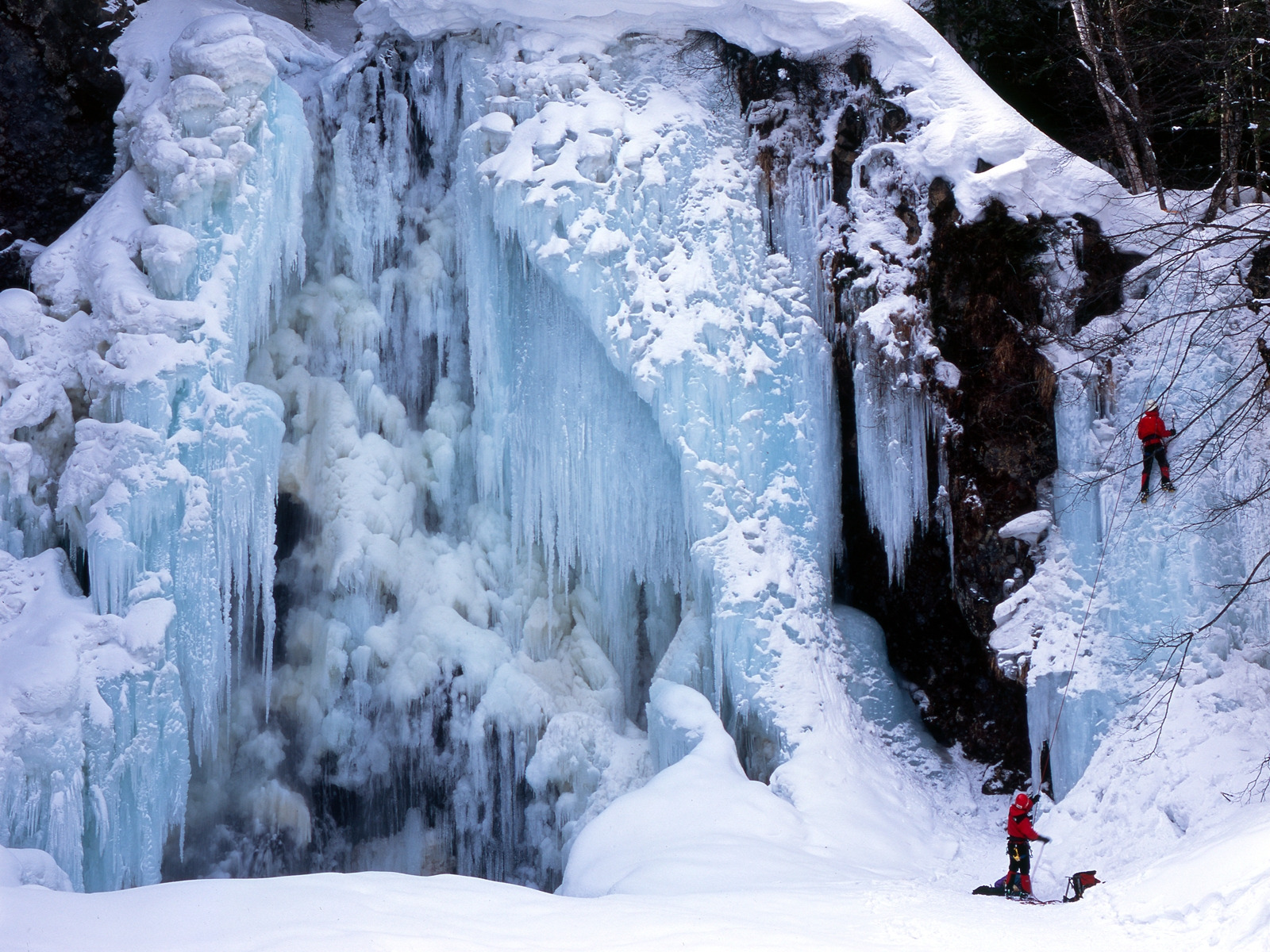
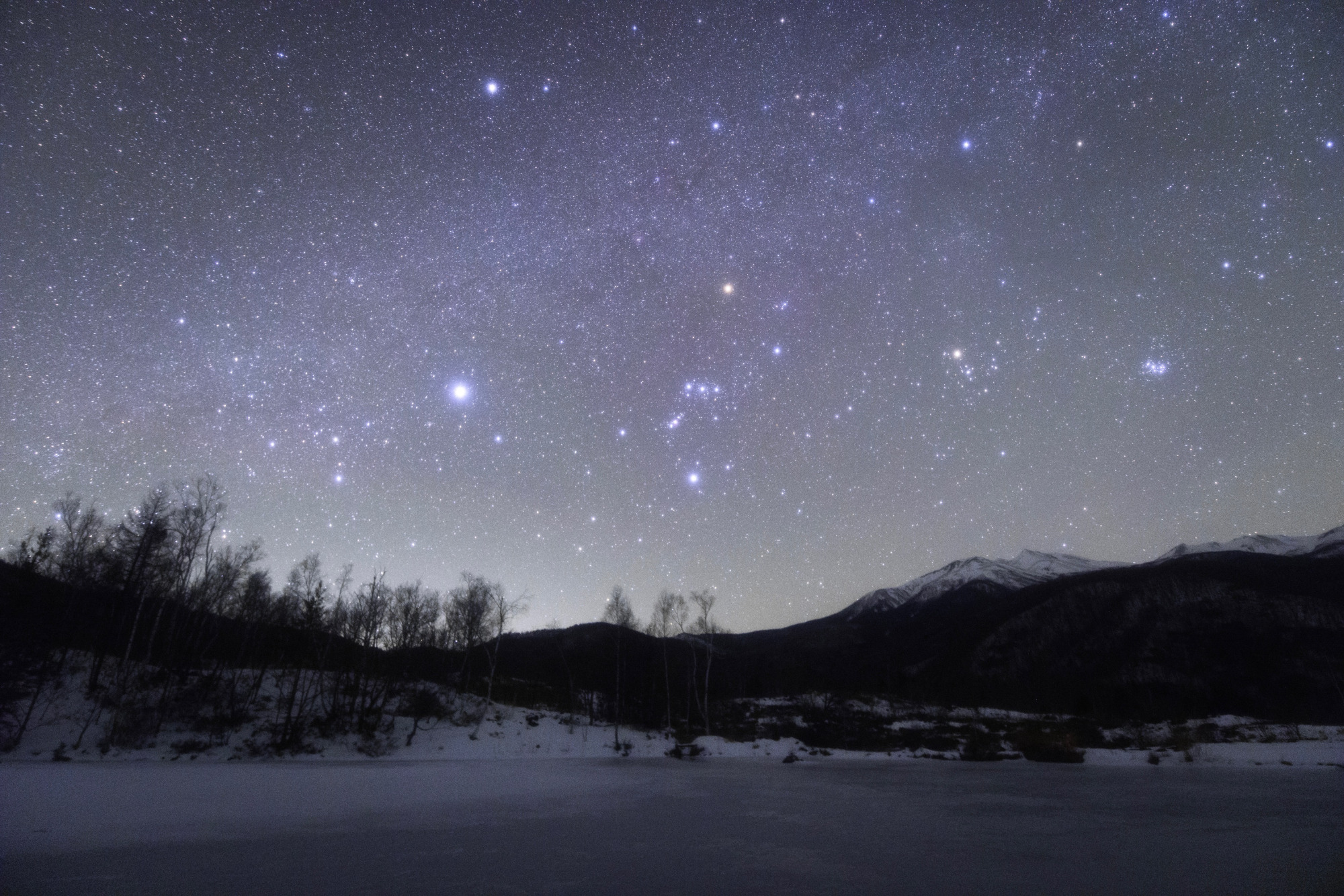
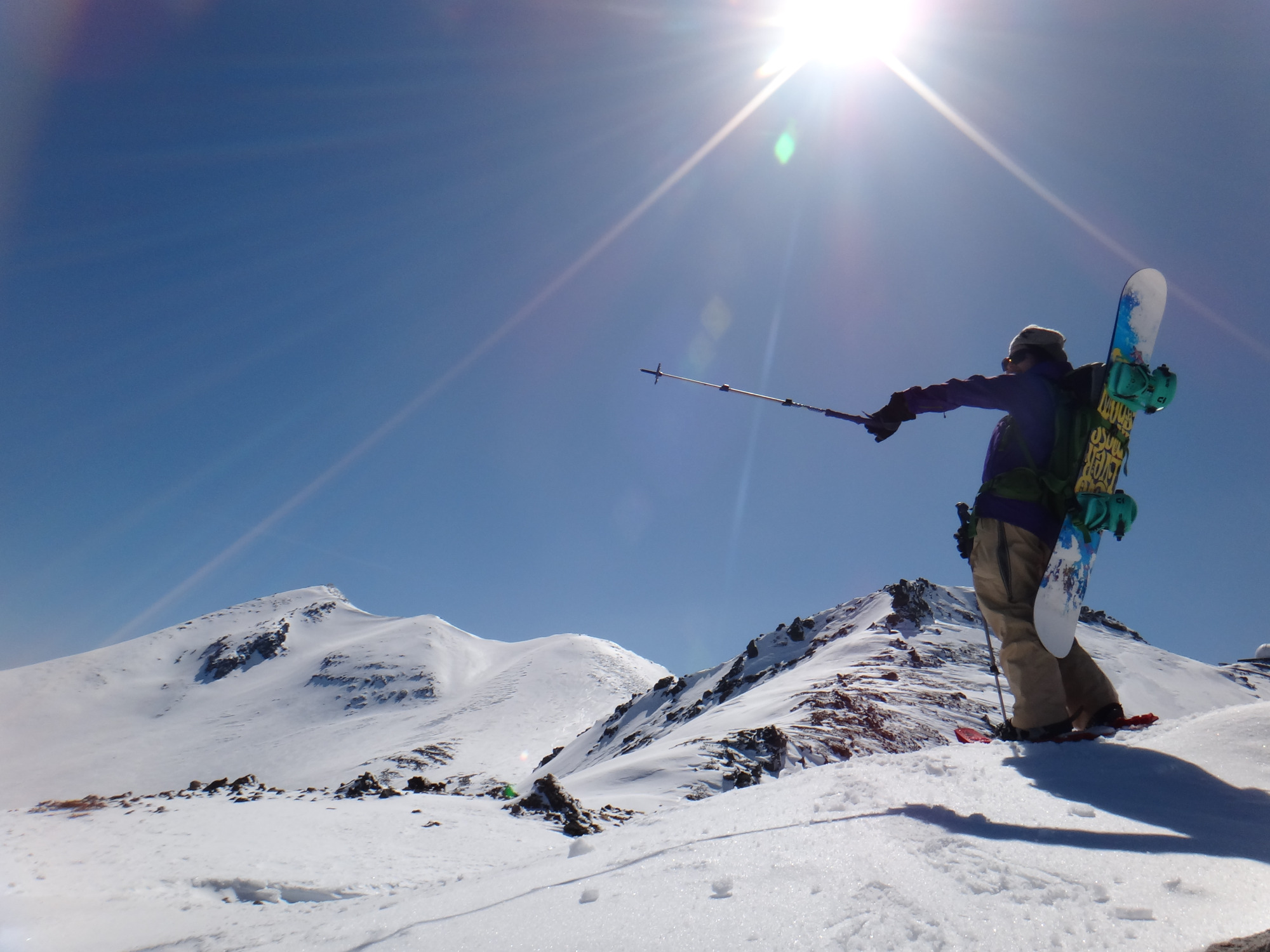
Norikura is a mountain resort where you can enjoy dynamic changes, with highland areas 1,500 meters high to mountain tops 3,026 meters high. You can access it in one go via a shuttle bus to Japan’s highest bus stop, Tatamidaira, at an altitude of 2,702 meters, so even first-time mountain climbers can reach this stunning landscape above the clouds. In spring (late April to late June), the draw is the huge “snow corridor,” 5–10 meters tall, created by removing snow from the road. This imposing silver-white wall boasts tremendous popularity. In summer (July to August), a “flower field in the sky” appears as the alpine plants bloom, while in fall (late September onward), a gradation of bright autumn leaves runs from the mountain peaks to their feet. At night, the starry sky unfurls so fully that you can even see the Milky Way clearly with the naked eye. Winter is packed with elements of adventure, such as skiing or using snow shoes on the powder snow, and icefall hikes. Note that use of personal cars is regulated to protect the environment, and there’s a shuttle bus that runs from the Norikura Tourism Center to Tatamidaira on a reservation-only system for all trips. Make sure you book online before visiting.
[Popular among first-time visitors] Utsukushigahara Highlands
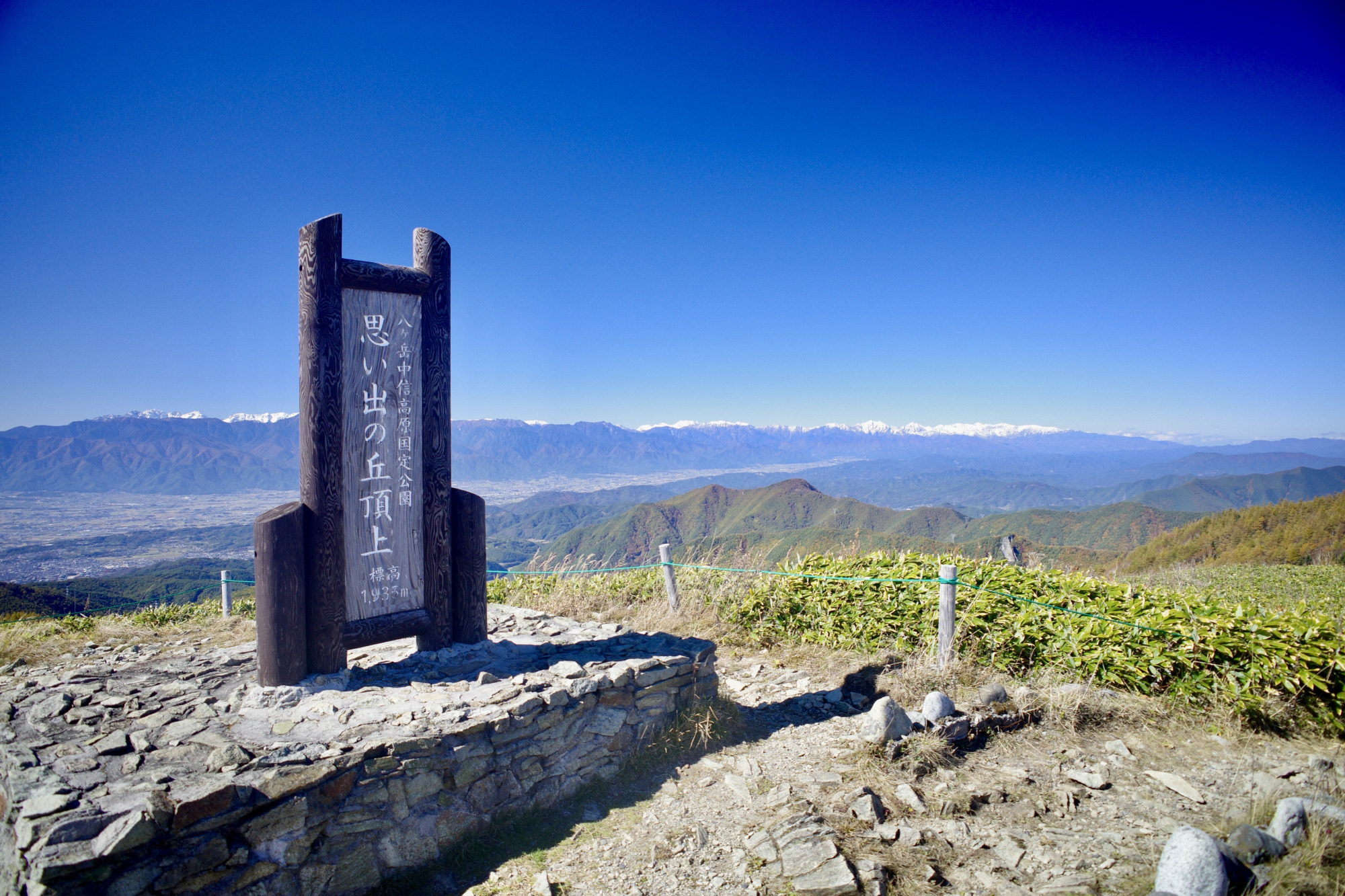
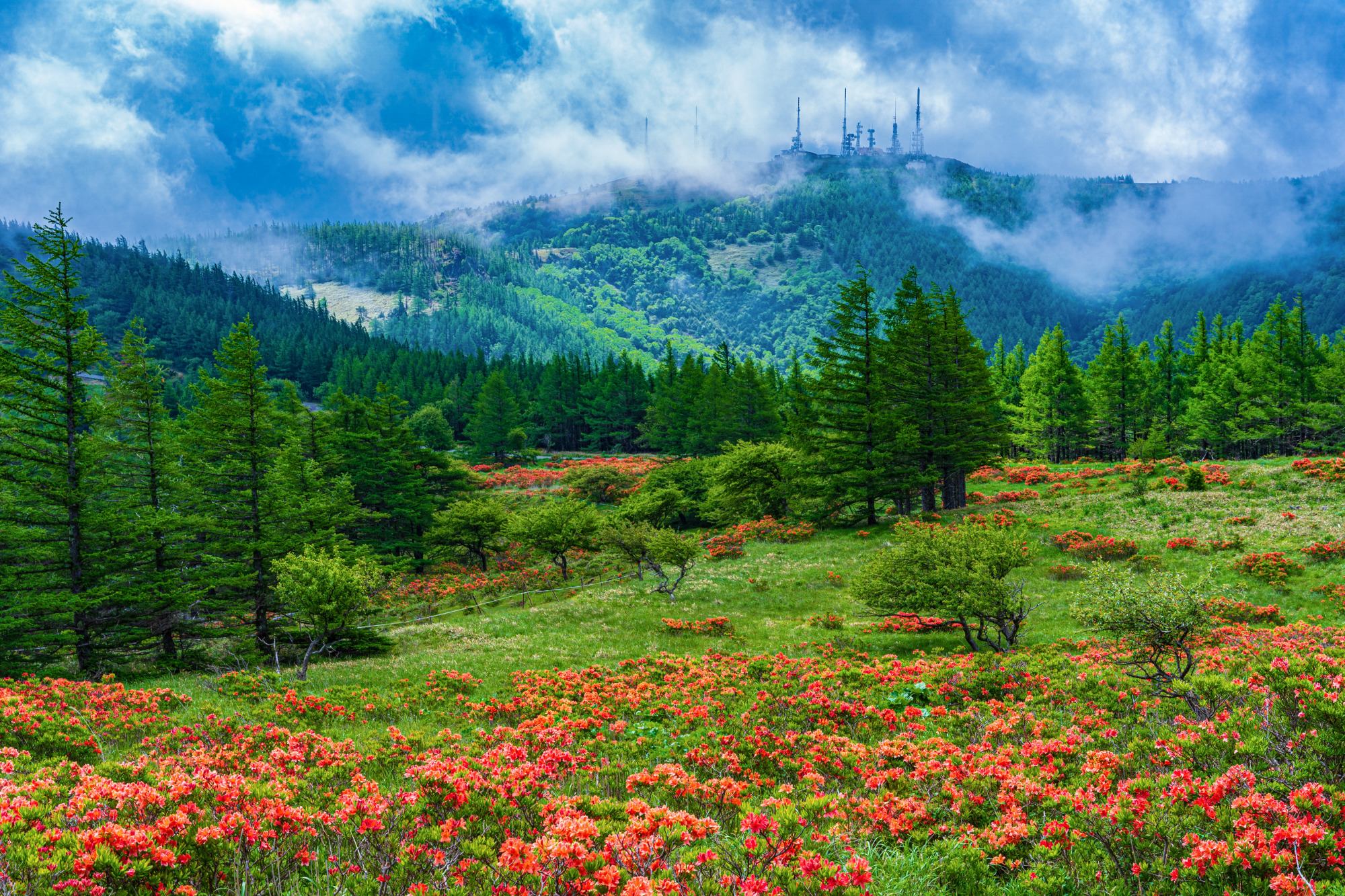
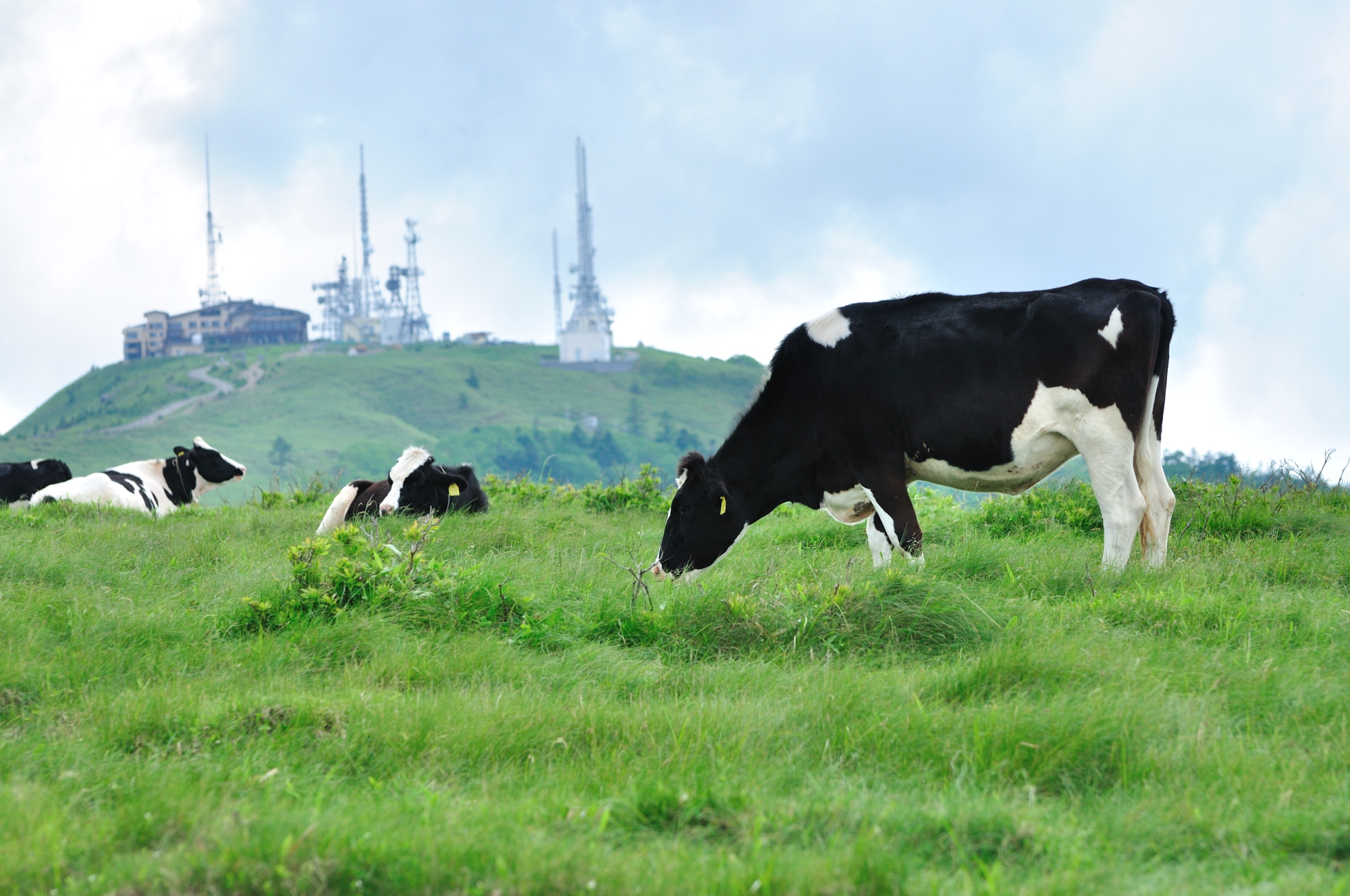
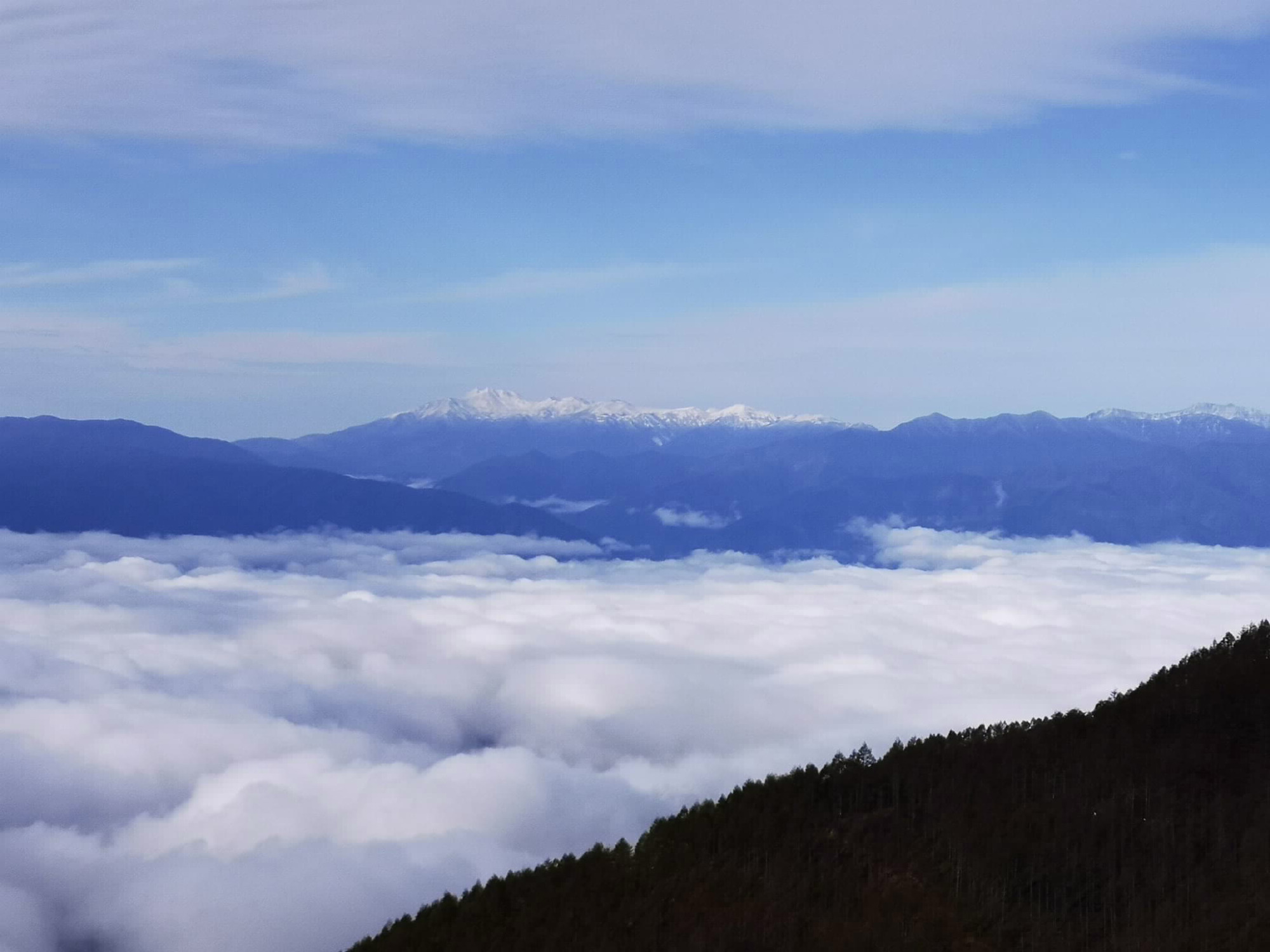
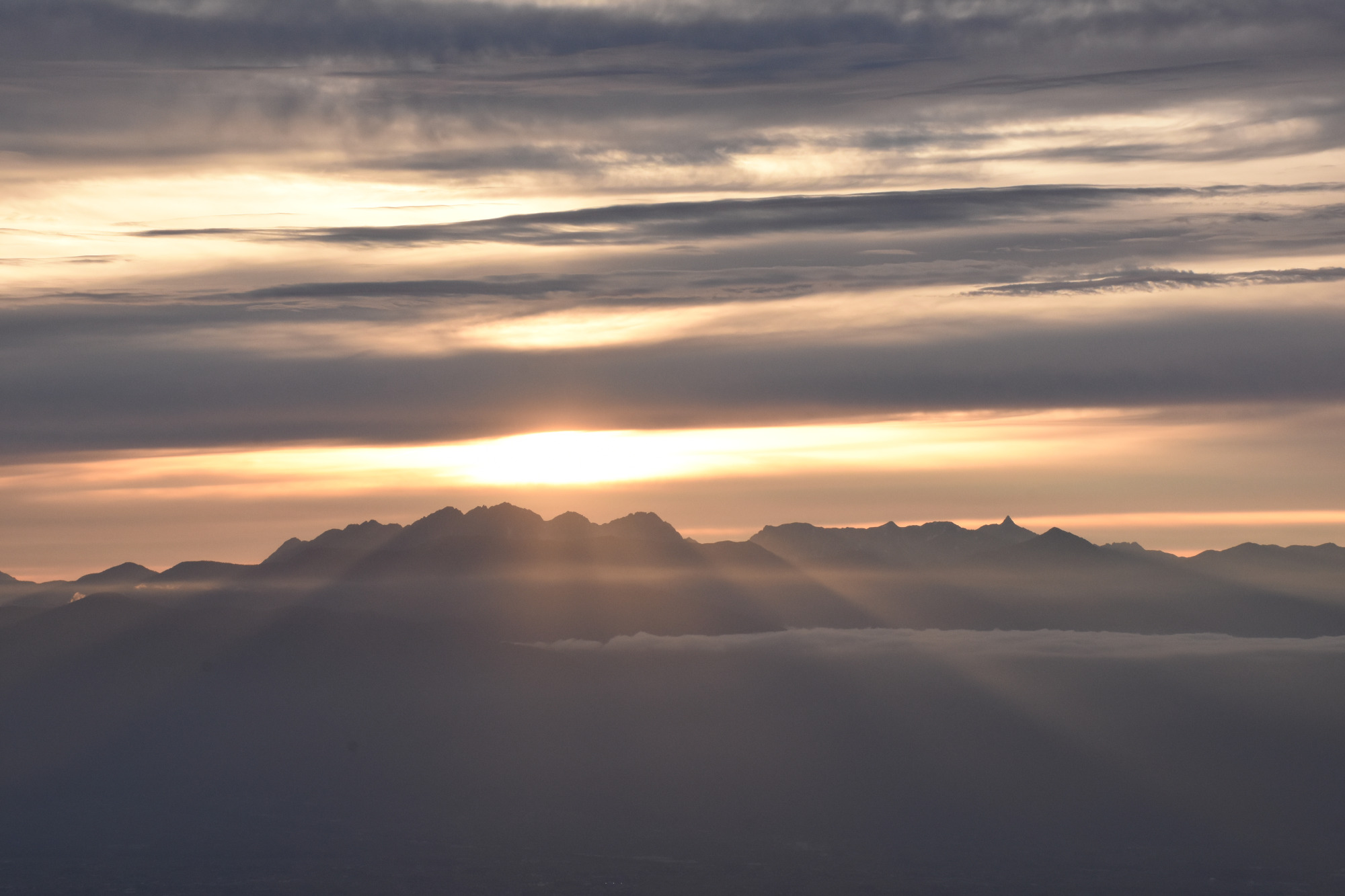
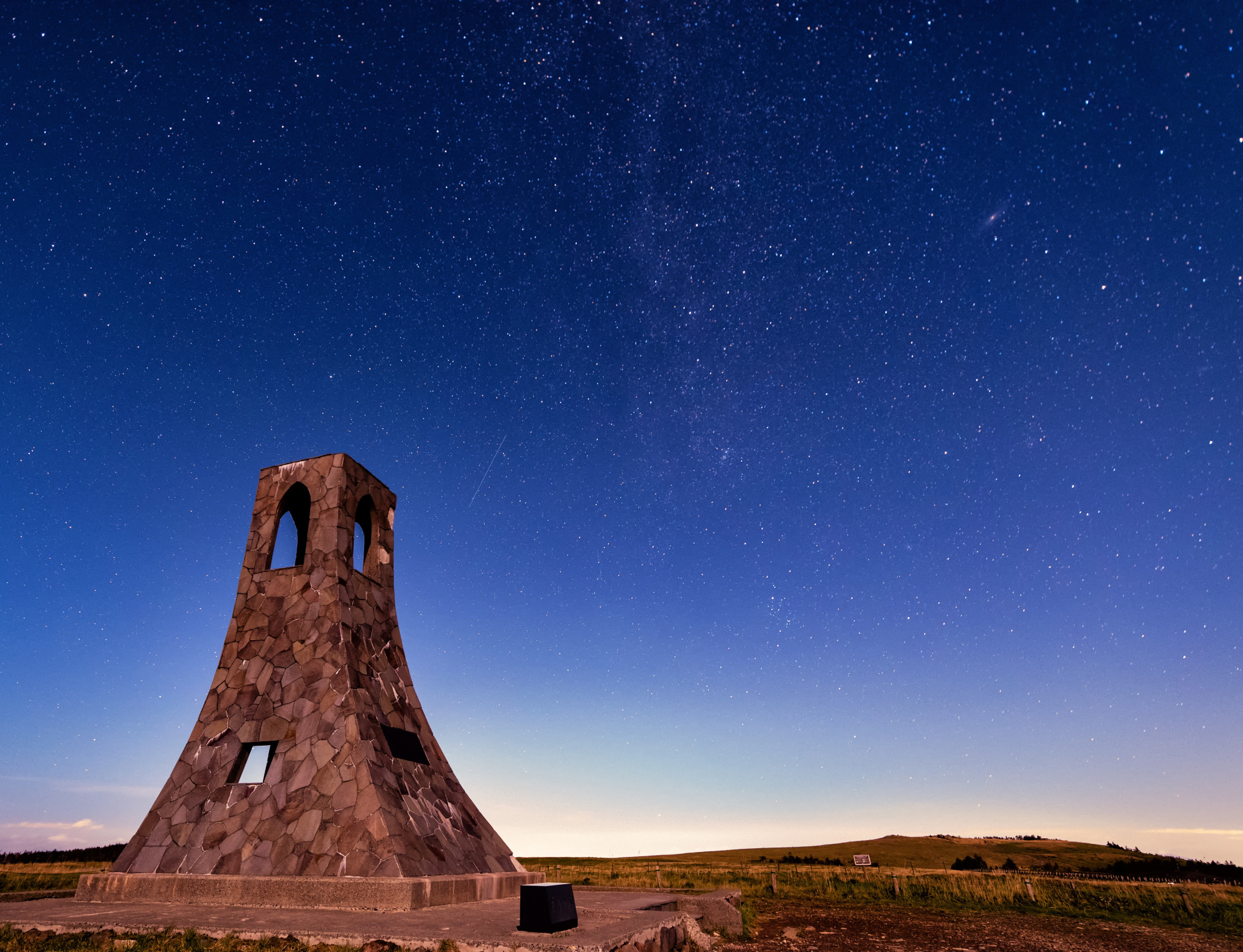
The Utsukushigahara Highlands are a natural plateau that rises up above Matsumoto City to the east. The highest part is a flat tableland, with unbroken views of an incredible 360-degree panorama. The Utsukushigahara panoramic route, which offers sweeping views of the Northern Alps, Mount Fuji, Yatsugatake, and other famous peaks representative of Japan, is a course that you can walk in sneakers, with few ups and downs, making it perfect for families and people who are less confident of their fitness. Around 300 cows roam here from the end of May to mid-October, and the pastoral scenery of them grazing in the green grasslands is reminiscent of the Swiss Alps. In early summer (mid-June to early July), fiery orange Japanese azaleas color the grasslands, and you can enjoy a fusion of art and nature at the Utsukushigahara Open-air Museum, which hosts outdoor displays of contemporary art. The access roads (including the Venus Line) are closed during the winter, but you can easily reach this world above the clouds in your car or by seasonal bus from late April to mid-November, when the time is right.
[Aim for the top] Climbing in the real Northern Alps
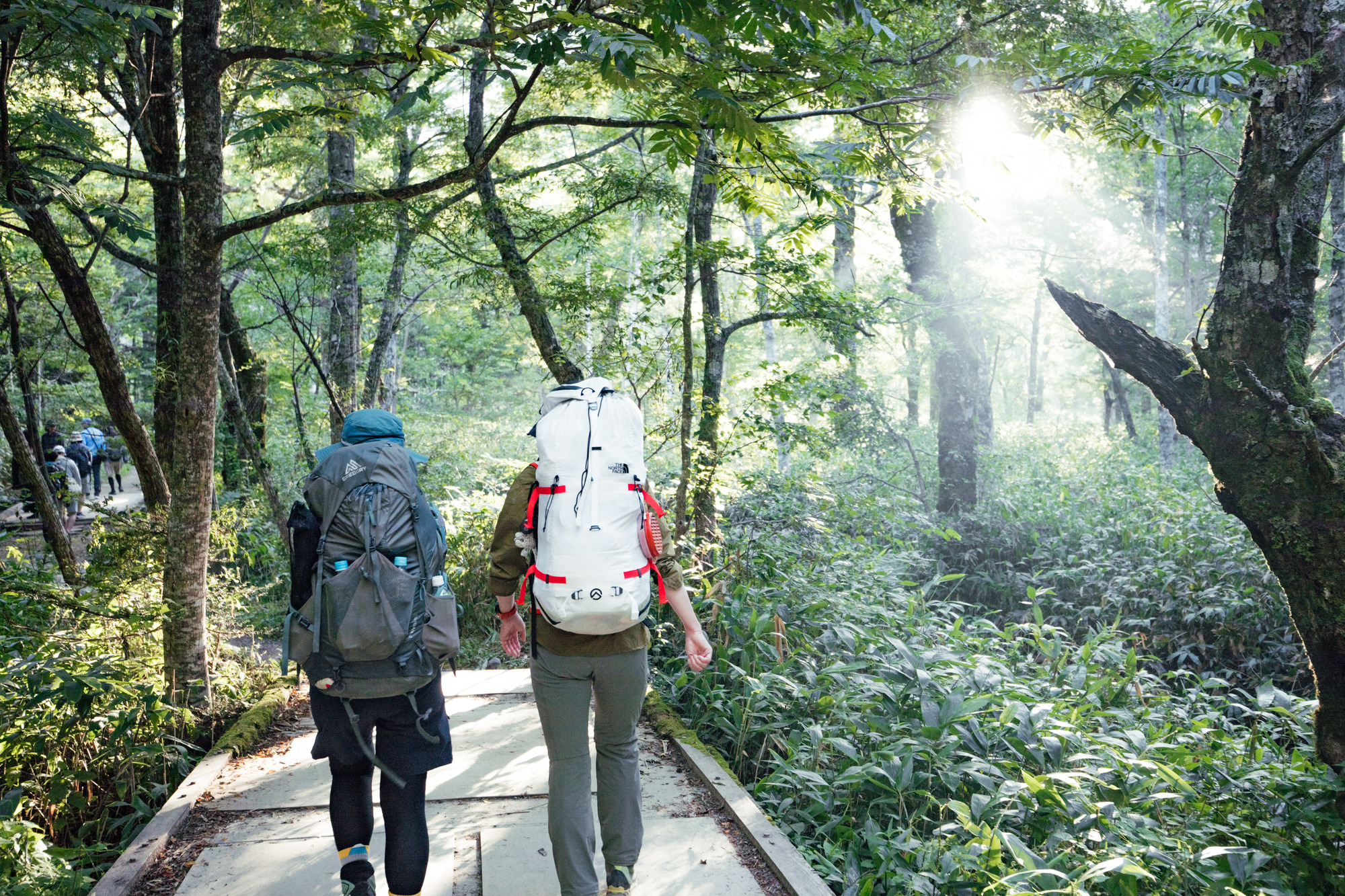
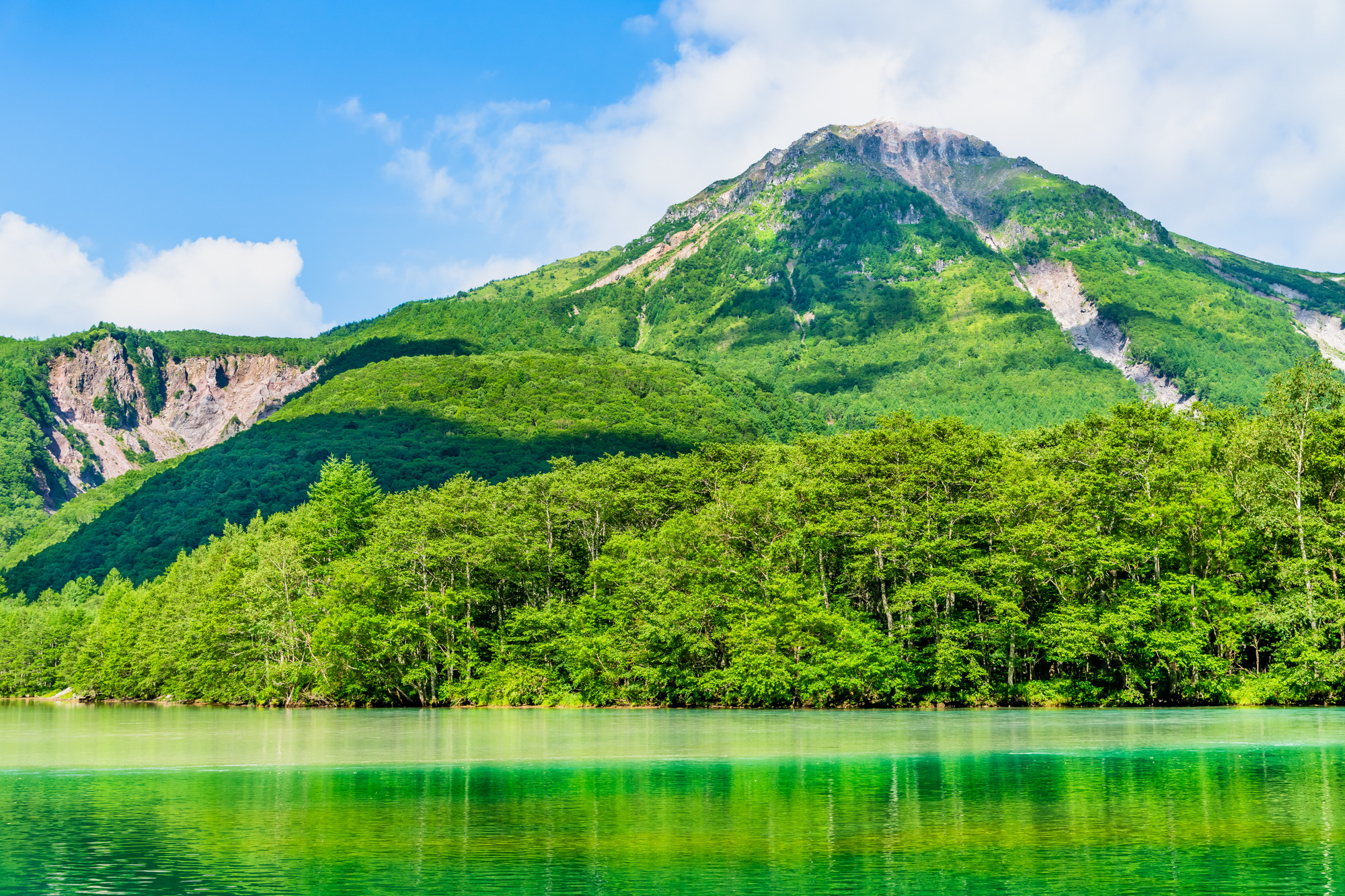
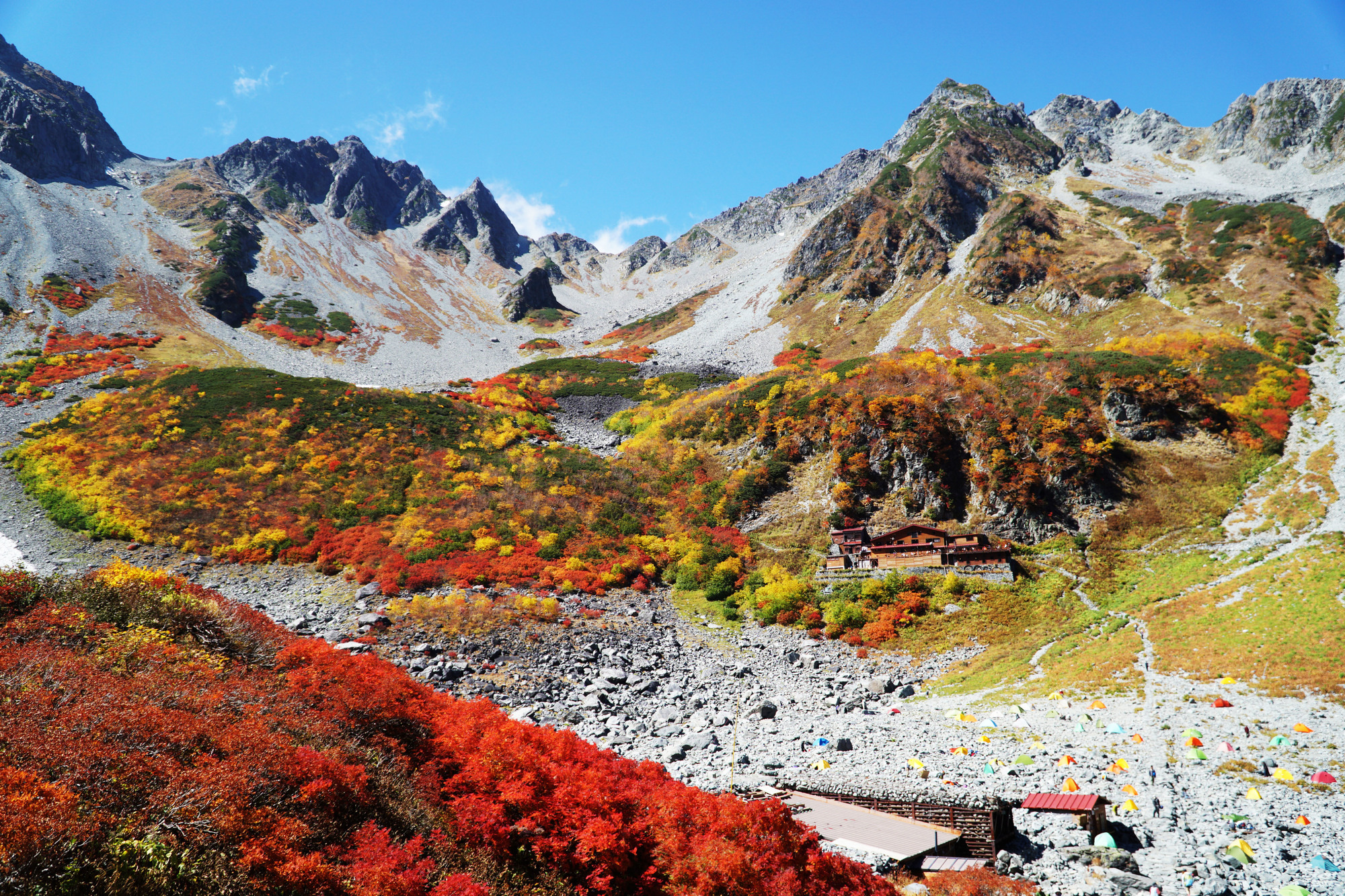
Matsumoto is the gateway to a “holy land” for travelers who want a real adventure. Kamikochi is home to Mount Yake, the only active volcano in the Northern Alps, and the Hotaka Mountains, the symbol of mountain climbing in Japan. But it is also a harsh mountain area with peaks 3,000 meters high. The weather changes quickly, and there’s a risk of hypothermia, even in midsummer. You must have waterproof but breathable rainwear, proper climbing boots, and clothes to protect against the cold (fleeces, etc.). This is also a habitat for Asian black bears, so make sure you carry bear bells and make your presence known as you walk. Before you set off, you should submit a notification of your destination to the post box at the start of the trail or on the Compass web app. Only people who are sufficiently prepared and take on the challenge with the proper respect for nature may experience the incredible sense of accomplishment and the superb views above the clouds.
Experience itineraries to enjoy the natural world
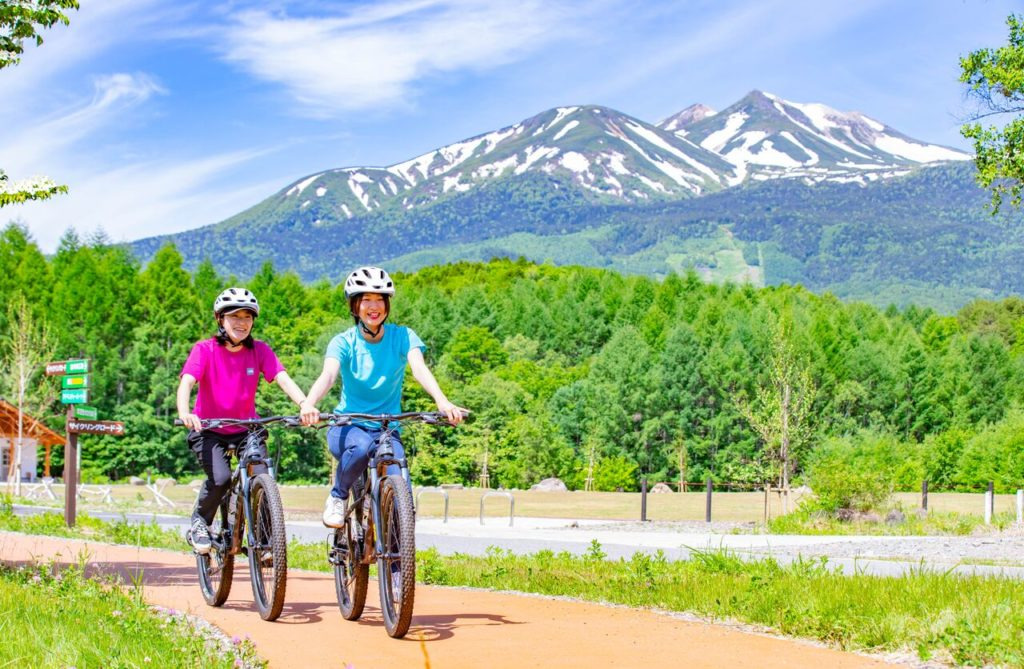
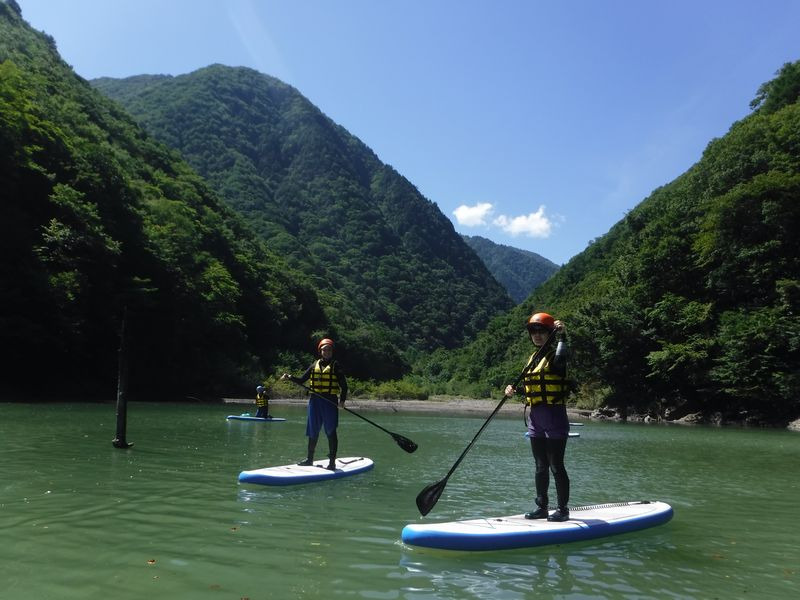
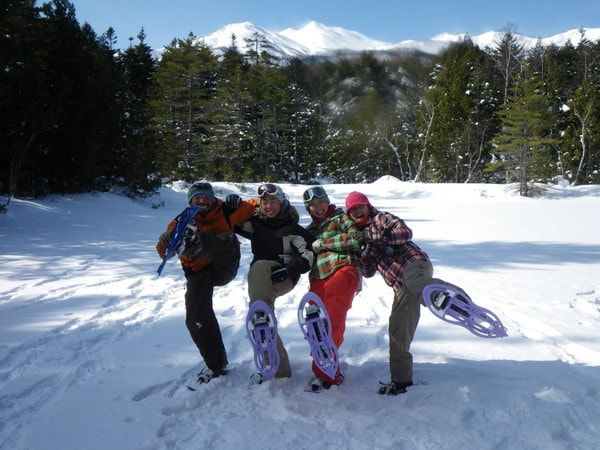
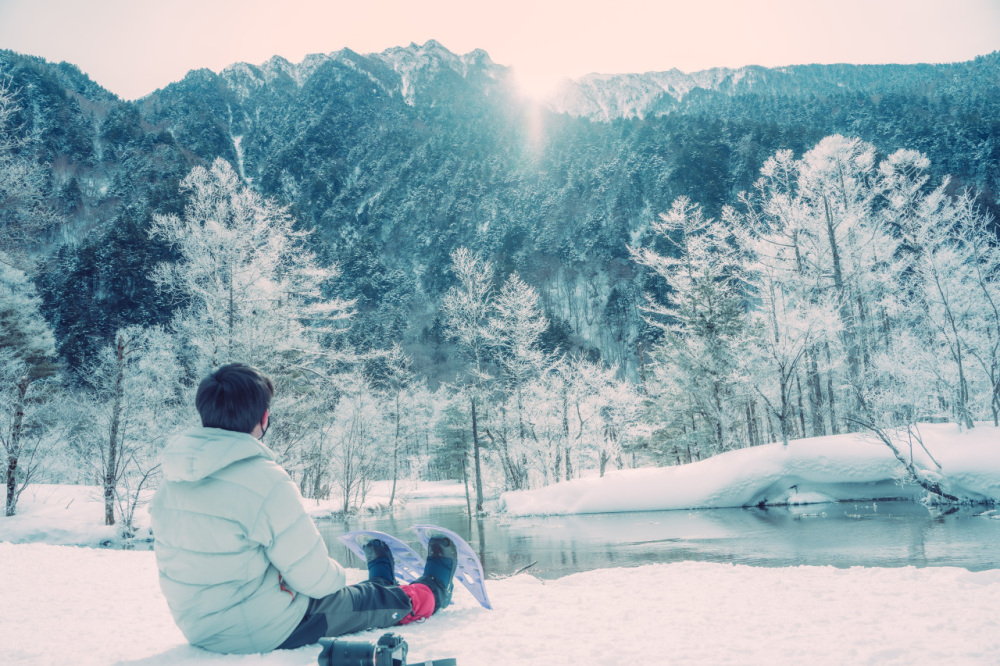
These destinations offer more than just the chance to “see” stunning scenery—they’re full of activities that allow you to “feel” it with your whole body. SUP is a popular option at Azusa Lake, which lies downstream of the Azusa River. You can move as if gliding across the surface of this secluded lake, shrouded in stillness, and absorb the beauty of the valley only visible from the water: a truly extraordinary experience. The Norikura Highlands provide activities in accordance with the season—you can take an exhilarating ride through the forest on an electric mountain bike (e-MTB) or, in the coldest part of winter, put on some snow shoes and join a walking tour through the frozen forest and ponds. All tours are accompanied by an expert guide, so you can participate with peace of mind, even if you don't have any special skills.
Summary
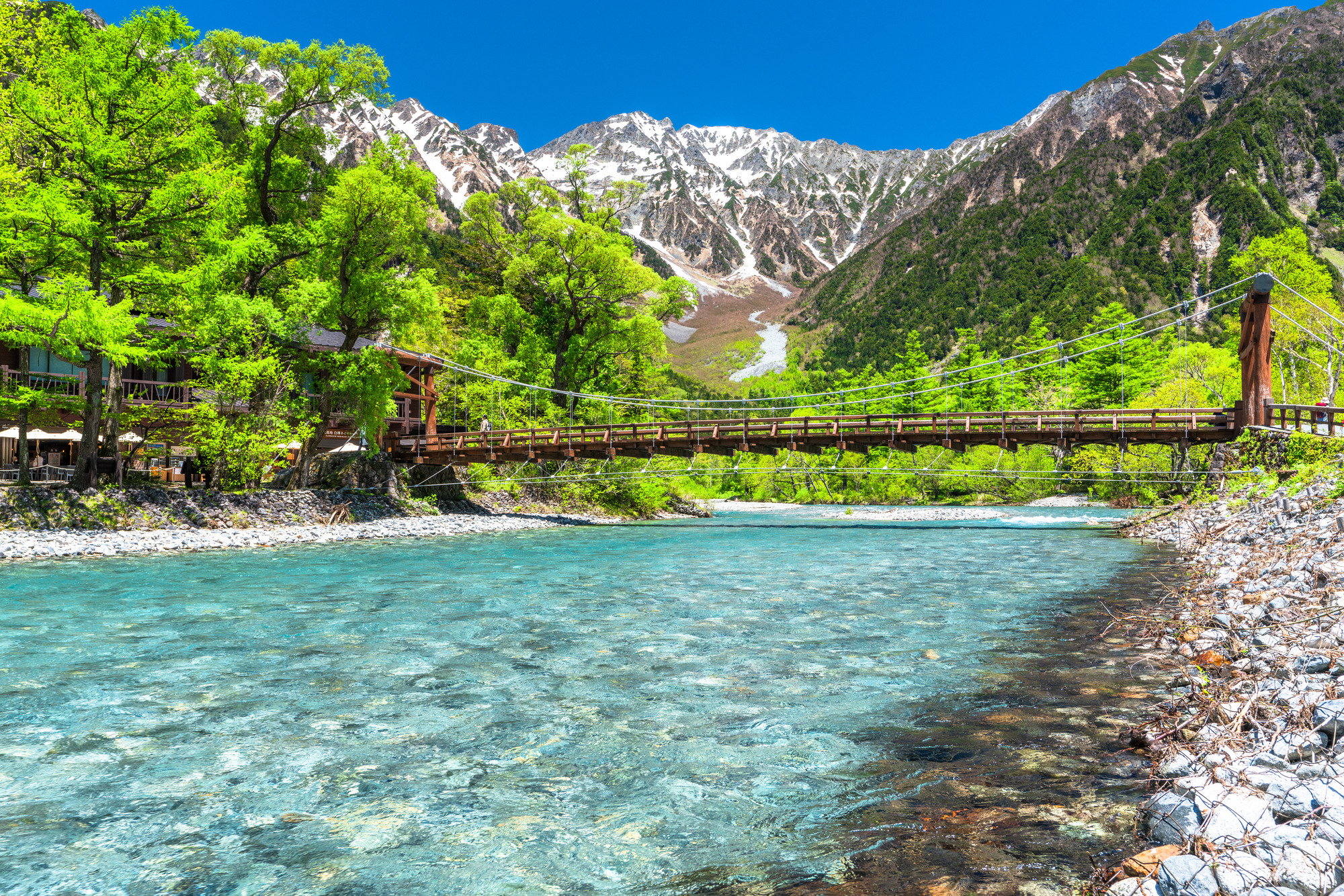
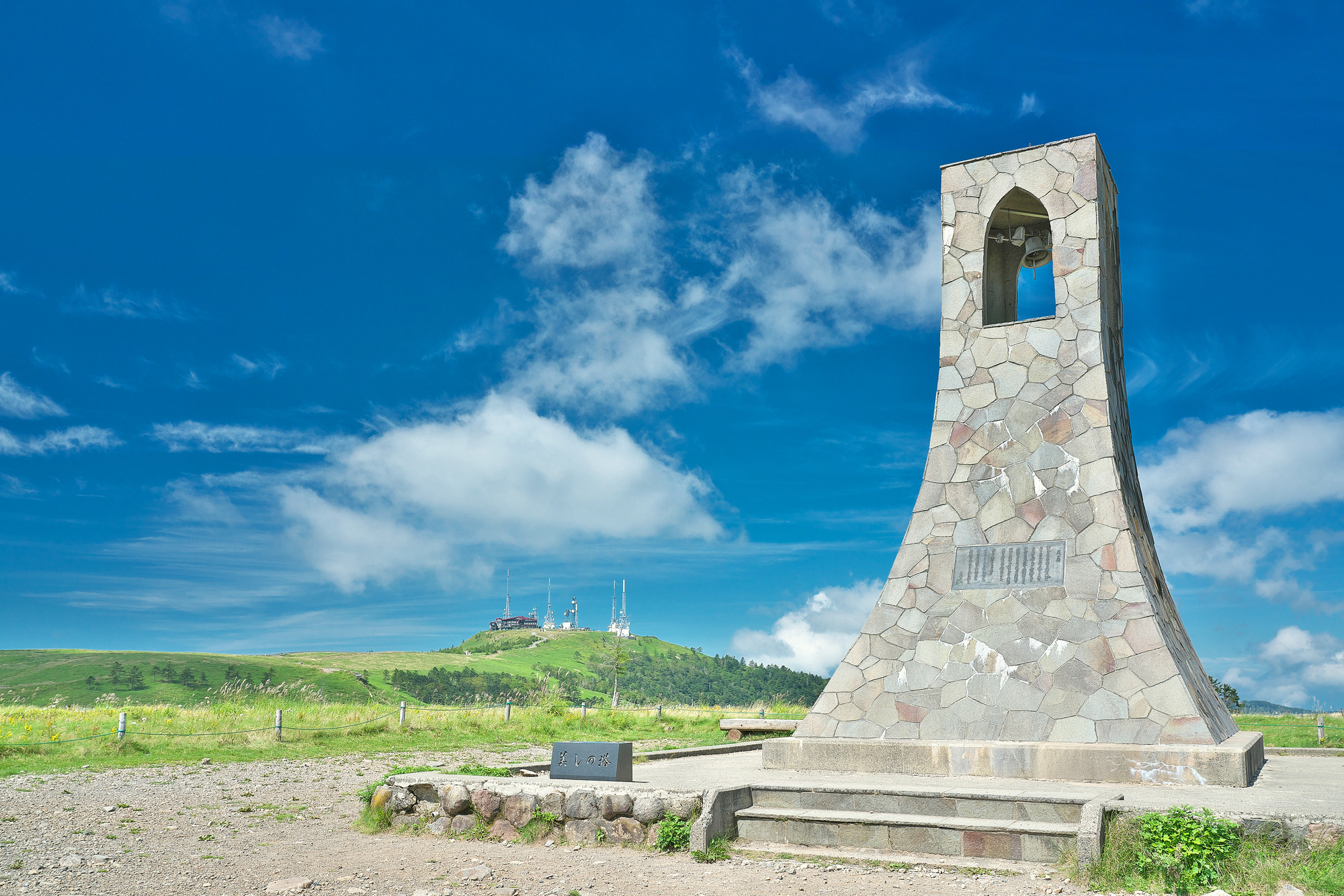
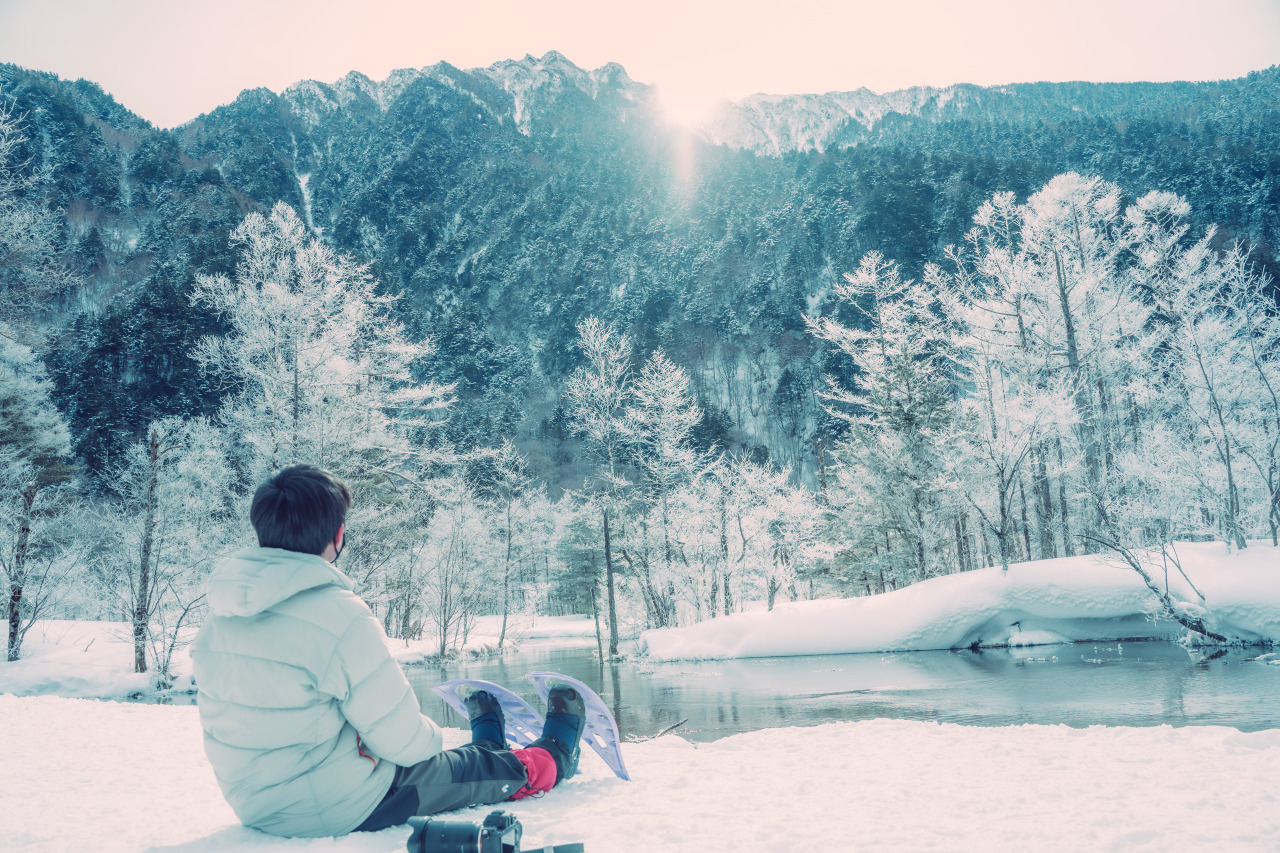
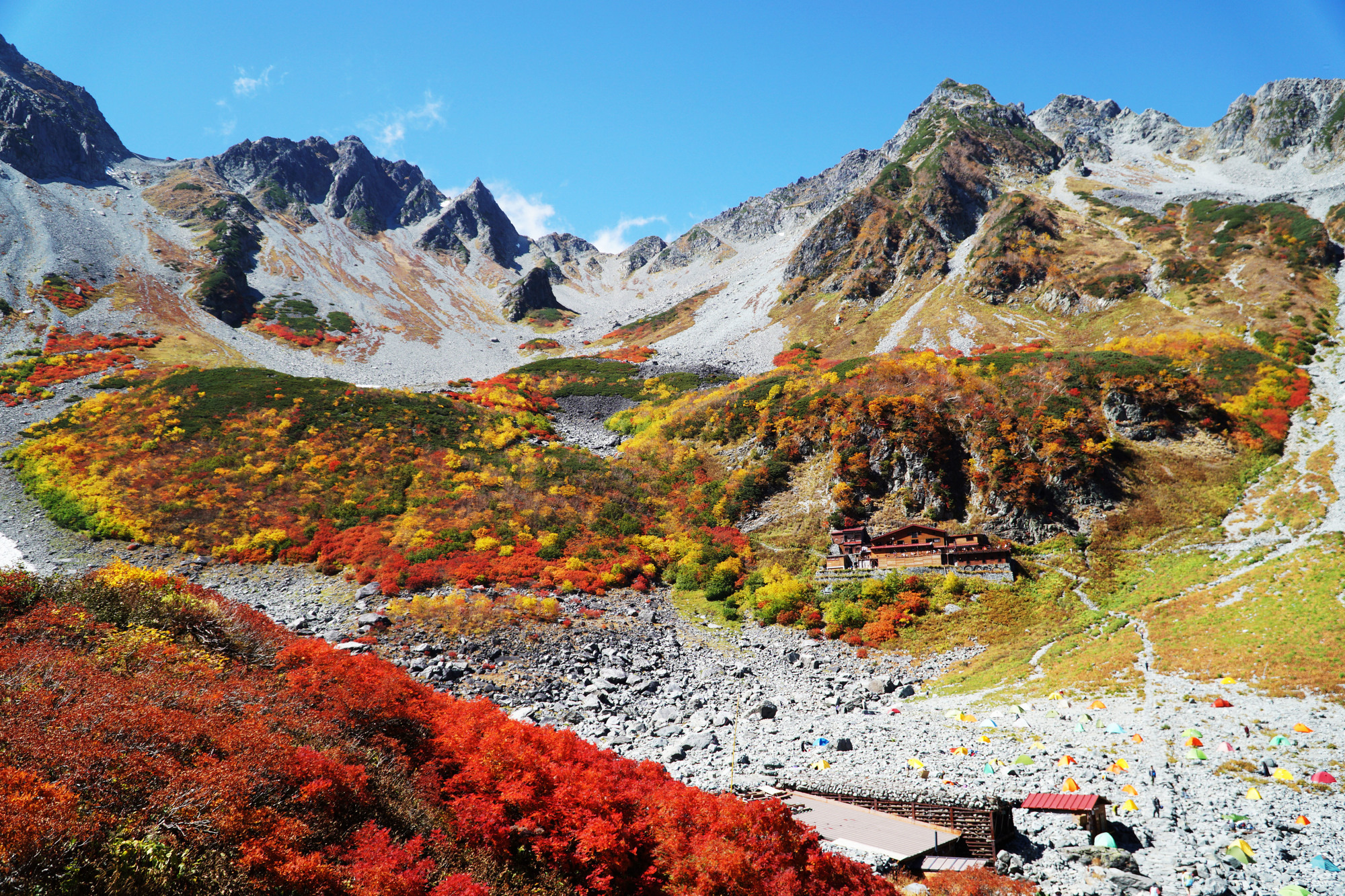
One visit is simply not enough to fully experience Matsumoto’s mountain resorts.
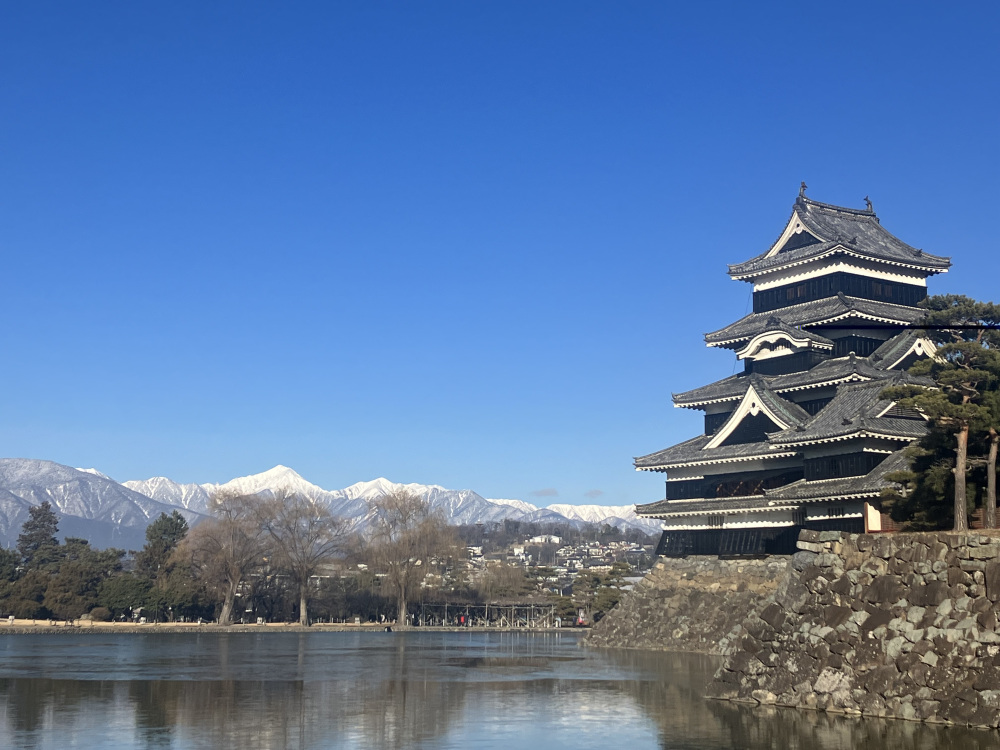
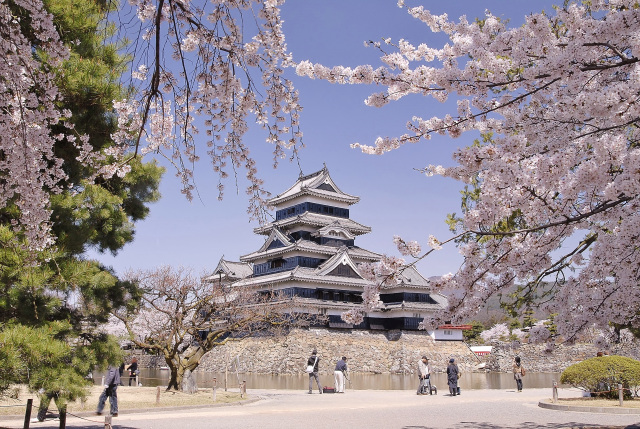
The Northern Alps with lingering snow, seen through the gaps between the cherry blossoms at Matsumoto Castle in the spring.
The refreshing breezes of the highlands, helping you forget the fierce heat below, in the summer.
The miraculous gradation of the “three-stage autumn leaves,” made up of the first snow on the mountain peak, the bright fall leaves on the mountainside, and the greenery at the mountains’ feet in the fall.
And a quiet world where everything is enveloped in snow, coupled with the warmth of hot springs that will heat your chilled body to the core, in the winter.
With their hues and appearances changing each time you visit, these areas will draw you back again and again. Conquer the four seasons of Matsumoto as you wish, in accordance with your style of travel.
Useful information: Enjoy the mountains even more!
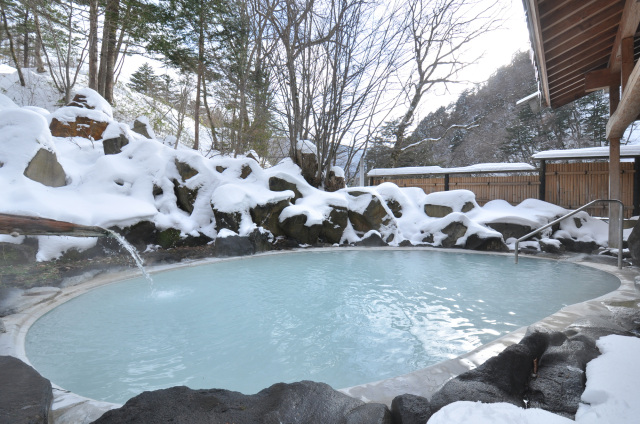
- Hot springs
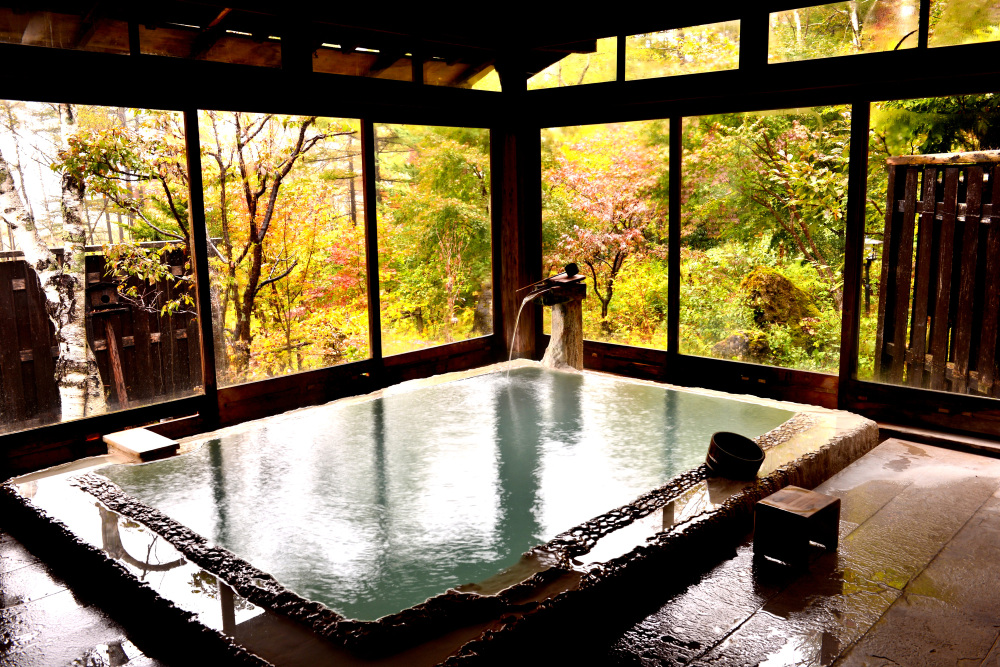
- Relieve your tiredness in some of Matsumoto’s famous waters after exploring the mountain area. We particularly recommend the milky white waters of Shirahone Onsen at the foot of Norikura or Asama Hot Springs, a historic onsen town in Matsumoto.
- Learn More
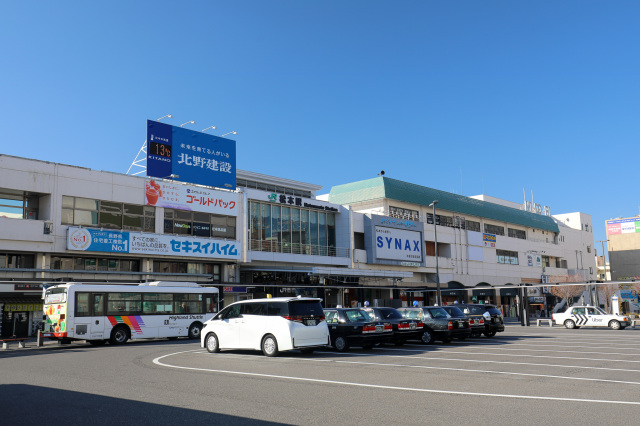
- Access information
- Matsumoto Station serves as the hub for all these destinations. Train and bus schedules change depending on the season, so make sure you check the latest timetables.
- Learn More
- The four seasons of Matsumoto
- As these resorts lie at high altitudes, they are 5–10 degrees (Celsius) lower than the city streets. It’s a good idea to have a long-sleeved outer layer even in the summer, and a light down jacket in the spring and fall.
- Learn More
![[First-Time Matsumoto Travel Guide] A Comprehensive Guide to Matsumoto’s Charms: From Stunning Views to Hot Springs and Local Cuisine](/lsc/upfile/article/0000/0028/28_1_m.jpg)
![How to get to Matsumoto: A detailed explanation [JR/bus/plane]](/lsc/upfile/article/0000/0033/33_1_m.jpg)