How to get to Matsumoto: A detailed explanation [JR/bus/plane]
Matsumoto is a place where traditional culture and nature intersect, and is easily accessible from Japan’s three major cities of Tokyo, Nagoya, and Osaka. We highly recommend that all travelers come by train, which is an extremely punctual mode of transport and offers fantastic views from the windows. This article provides information about the main ways of accessing Matsumoto and points to note.
Contents
Show More
- Access by rail (recommended)
- Access from the Tokyo area: JR East Limited Express Train Azusa
- Access from Nagoya, Osaka, and Kyoto area: JR Central Limited Express Train Shinano
- Purchasing tickets and the Japan Rail Pass
- Access by highway bus
- Access by plane
- Important information about using cars
- Traffic rules and safety
- Driving during winter
- Transportation within Matsumoto City
![How to get to Matsumoto: A detailed explanation [JR/bus/plane]](/lsc/upfile/article/0000/0033/33_1_l.jpg)
Access by rail (recommended)
Taking Japan’s vaunted world-class railway network to reach Matsumoto is a smart way of doing it. There are two limited express trains that invite you to the foot of the Alps, depending on your departure location.
Access from the Tokyo area: JR East Limited Express Train Azusa
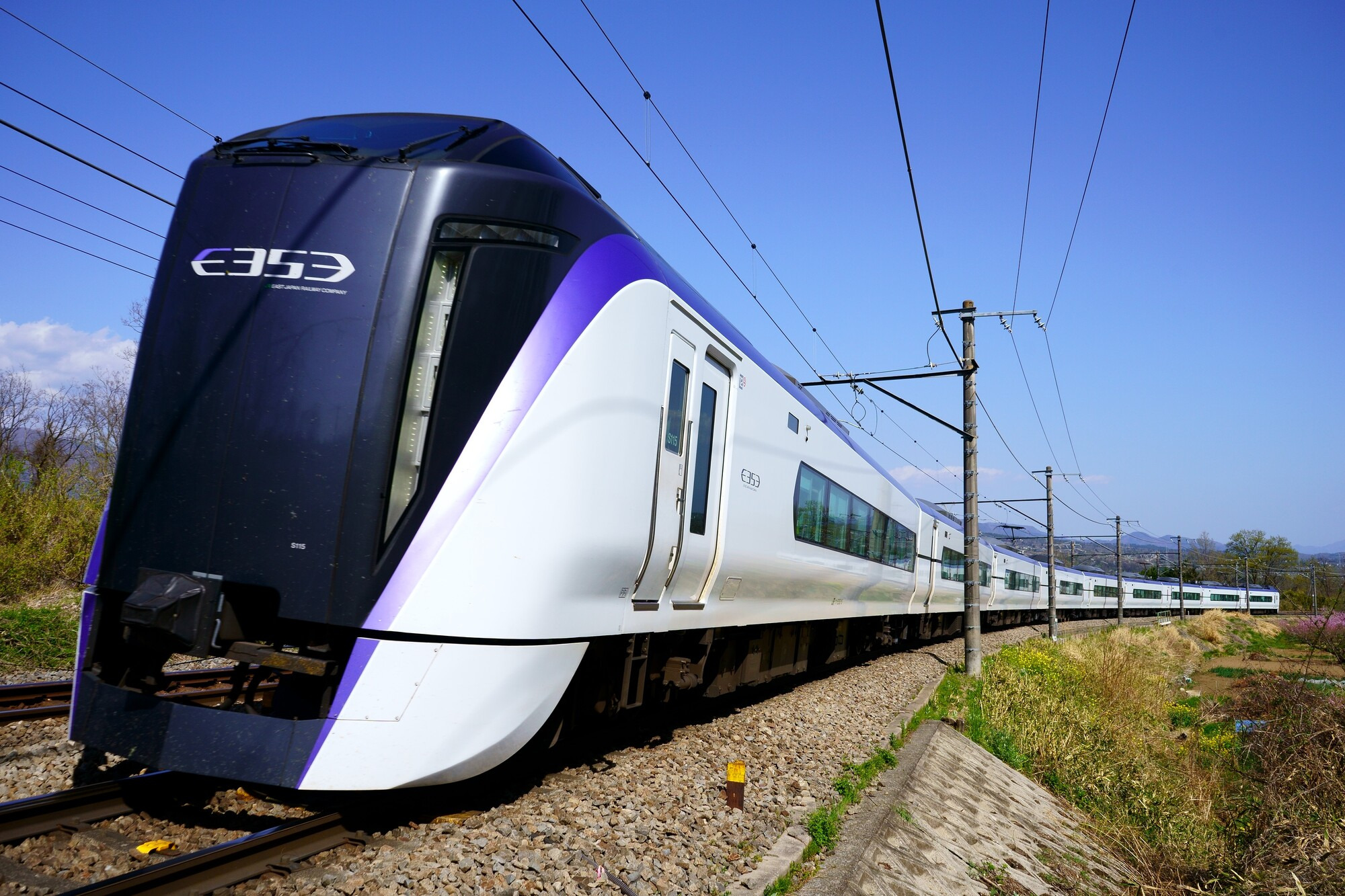
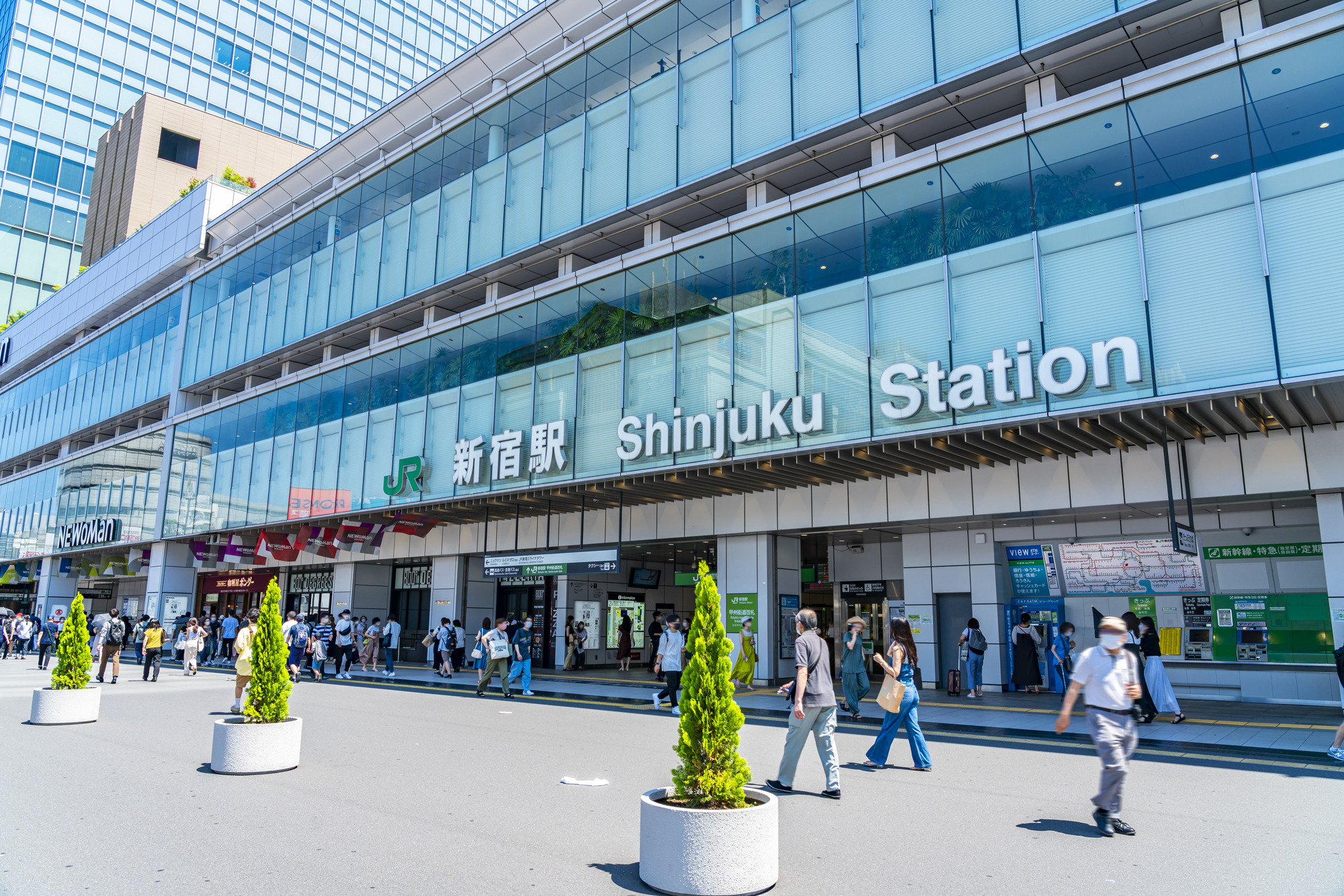
[Route]
Direct from JR Shinjuku Station
*If you’re coming from Haneda or Narita, travel to Shinjuku Station and change to the Azusa Limited Express.
Duration: Approx. 2 hours 30 mins
Operating company: East Japan Railway Company (JR East)
<Points to note>
All of the seating on this train is reserved, so no unreserved seats are available. If you have a Japan Rail Pass, you can reserve a seat at no extra cost. Make sure you secure your seat at the ticket counter or a ticket machine before you board.
Access from Nagoya, Osaka, and Kyoto area: JR Central Limited Express Train Shinano
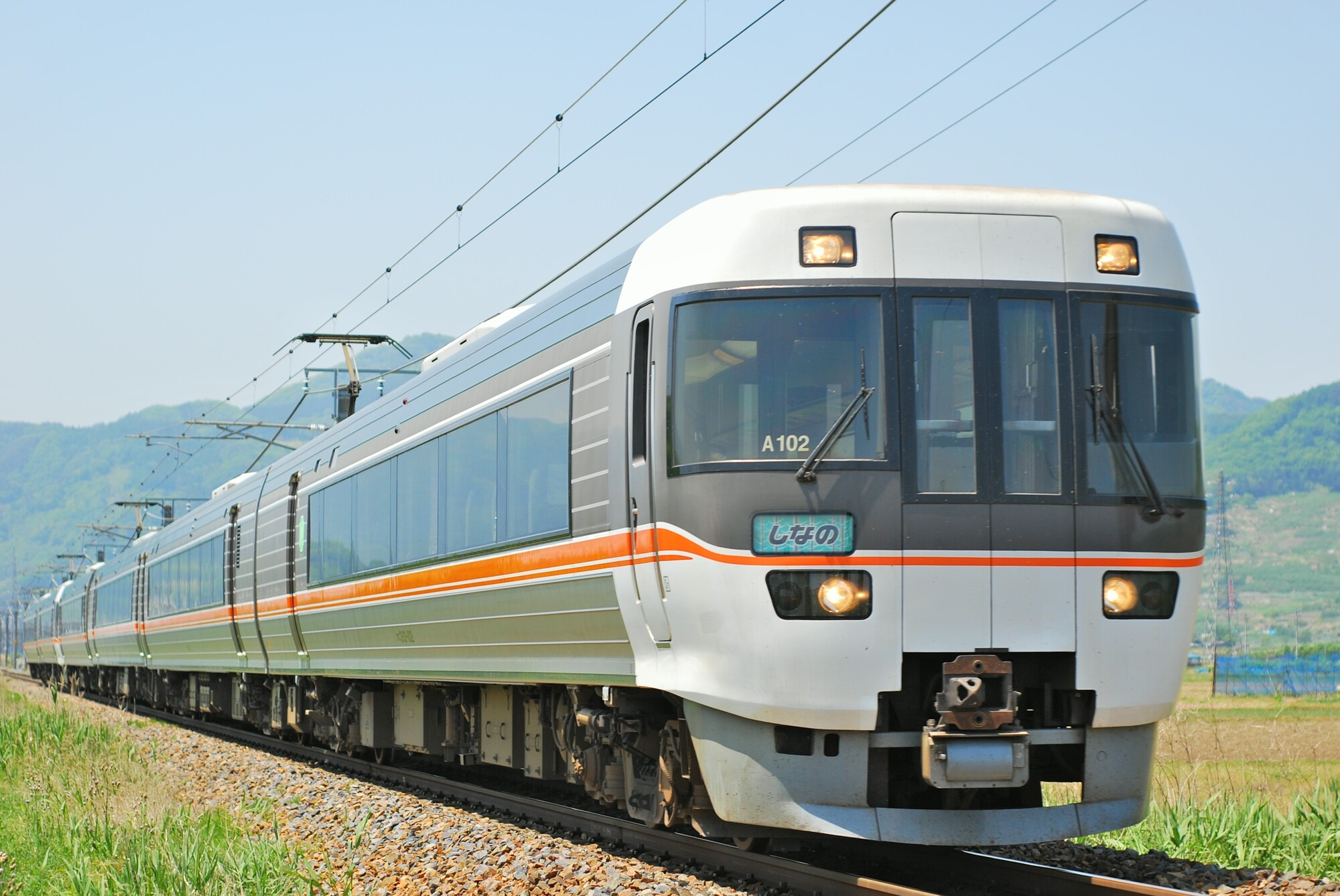
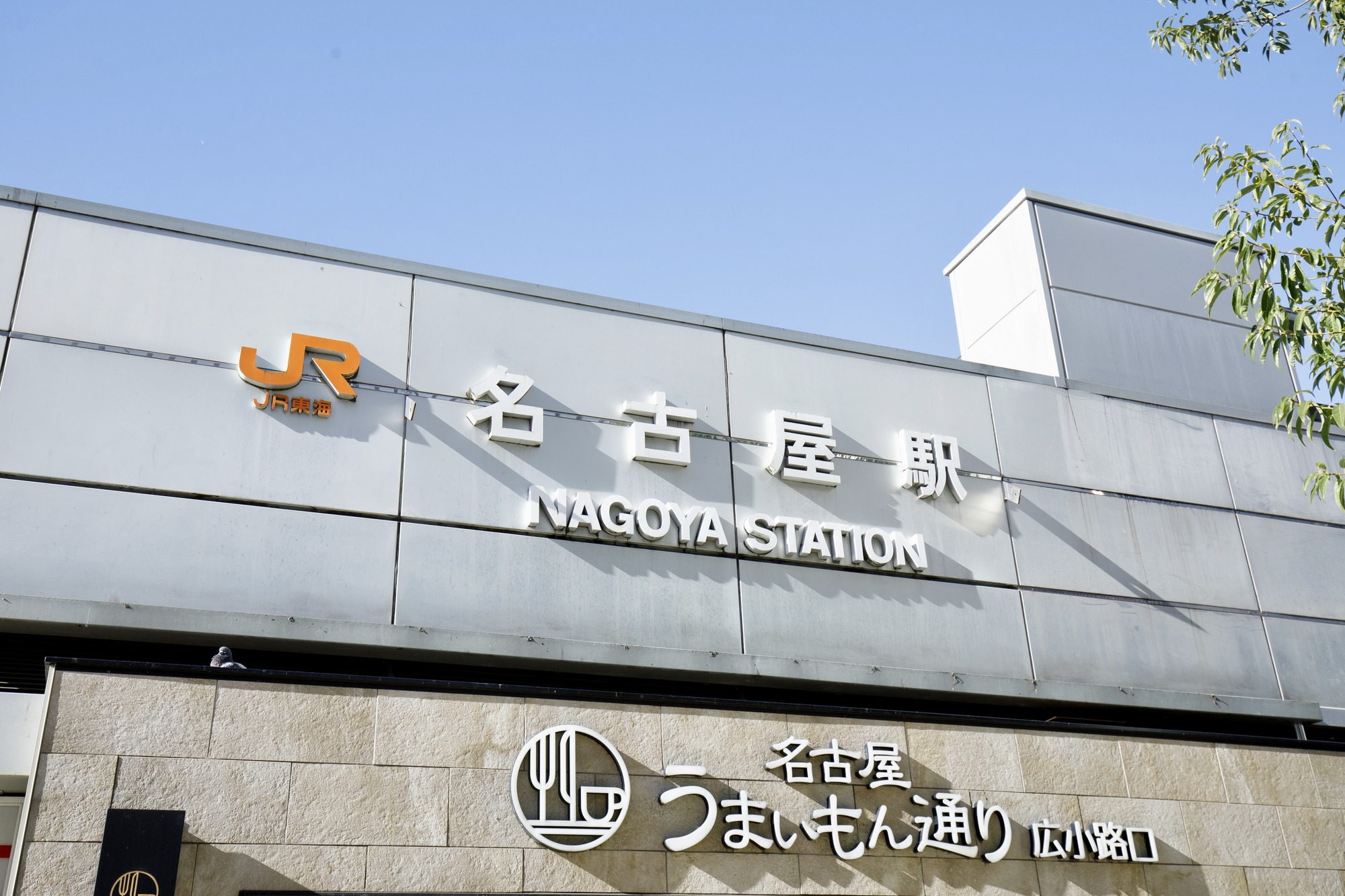
[Route]
Direct from JR Nagoya Station
*If you’re coming from Osaka or Kyoto, travel to Nagoya Station on the Tokaido Shinkansen and change to the Shinano Limited Express
Duration: Approx. 2 hours from Nagoya Station
Operating company: Central Japan Railway Company (JR Central)
<Points to note>
You can use the Japan Rail Pass on this train; there is unreserved seating, but we recommend making a reservation in advance to make sure you have a seat.
Purchasing tickets and the Japan Rail Pass
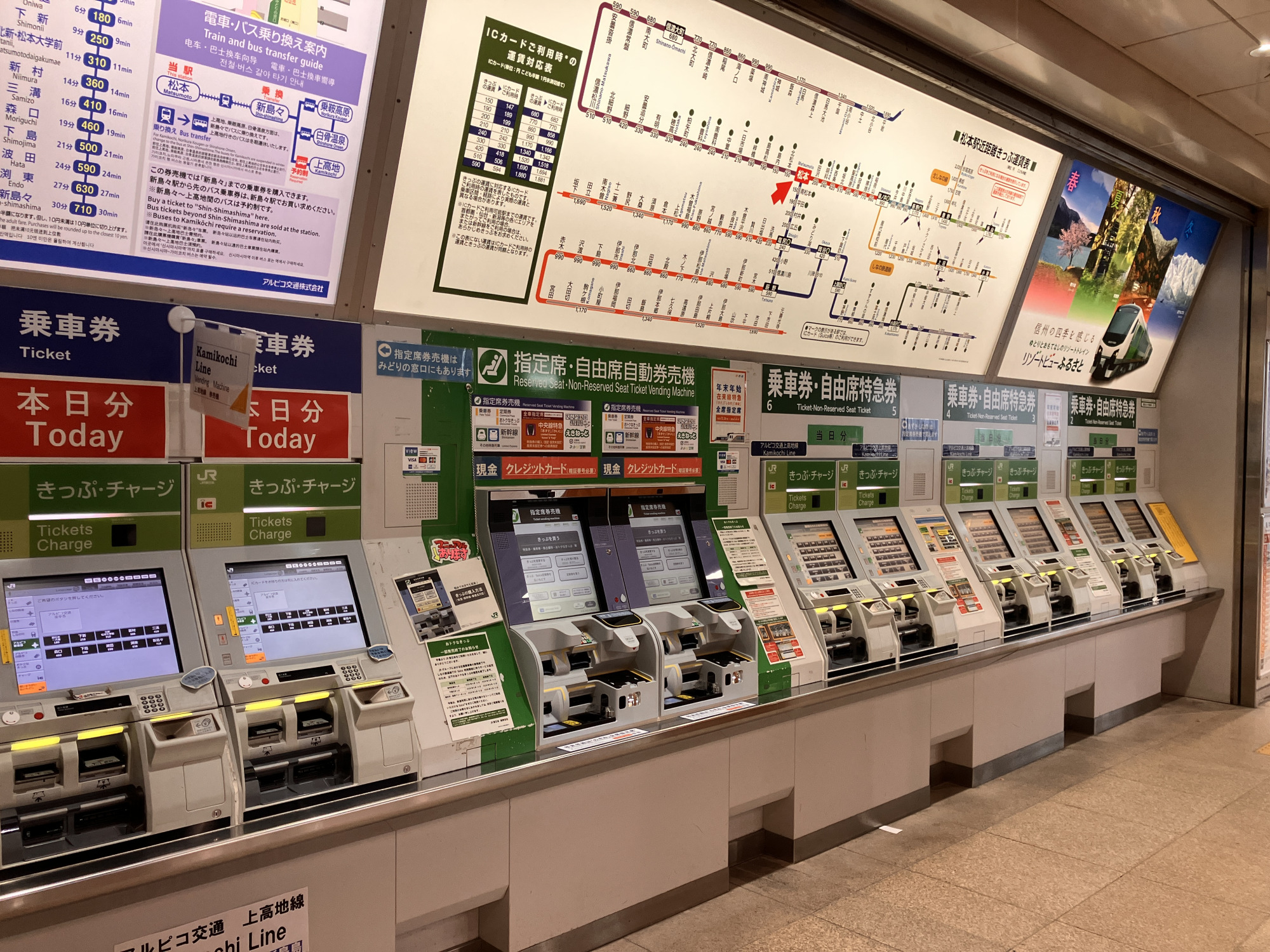
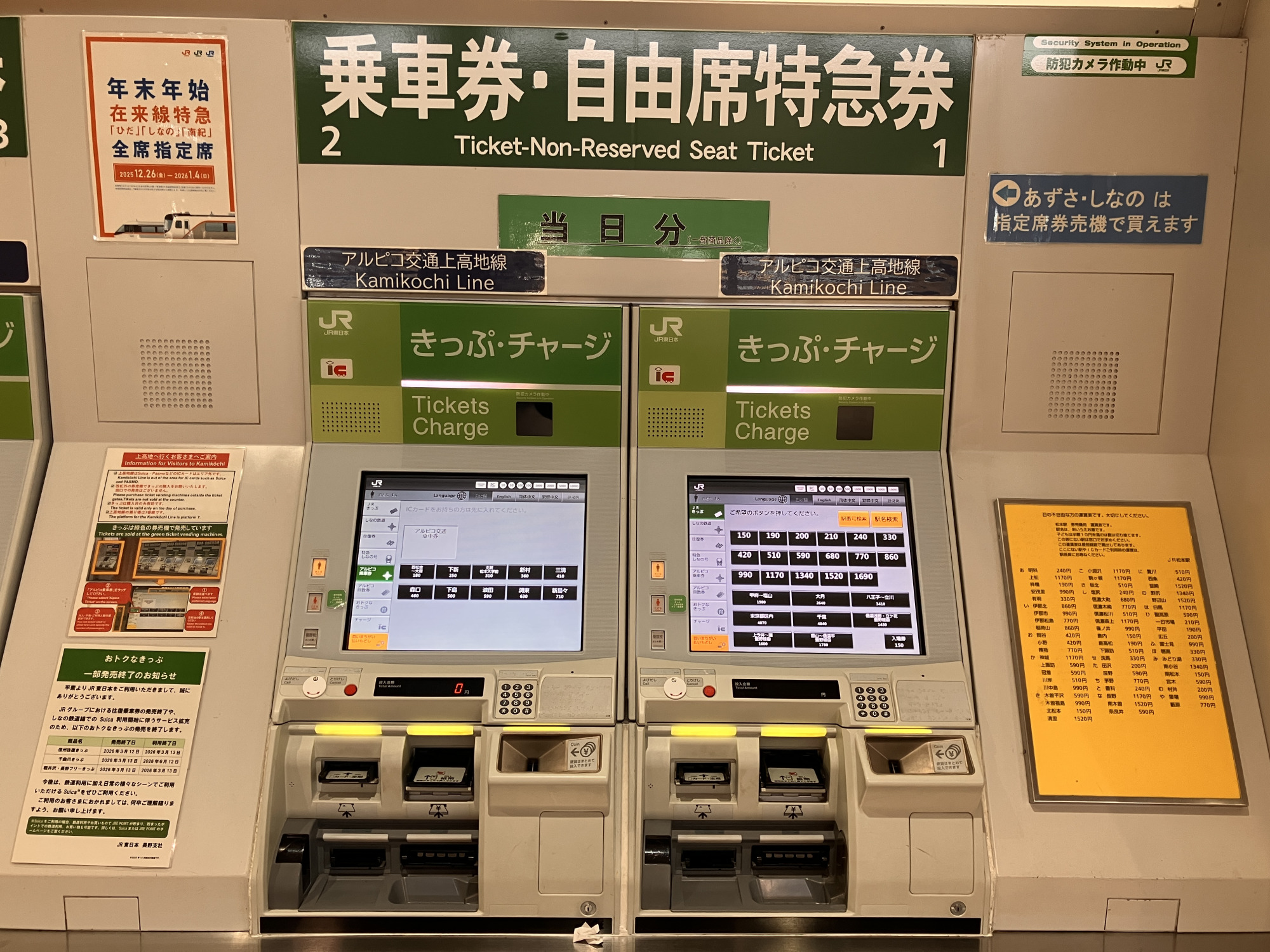
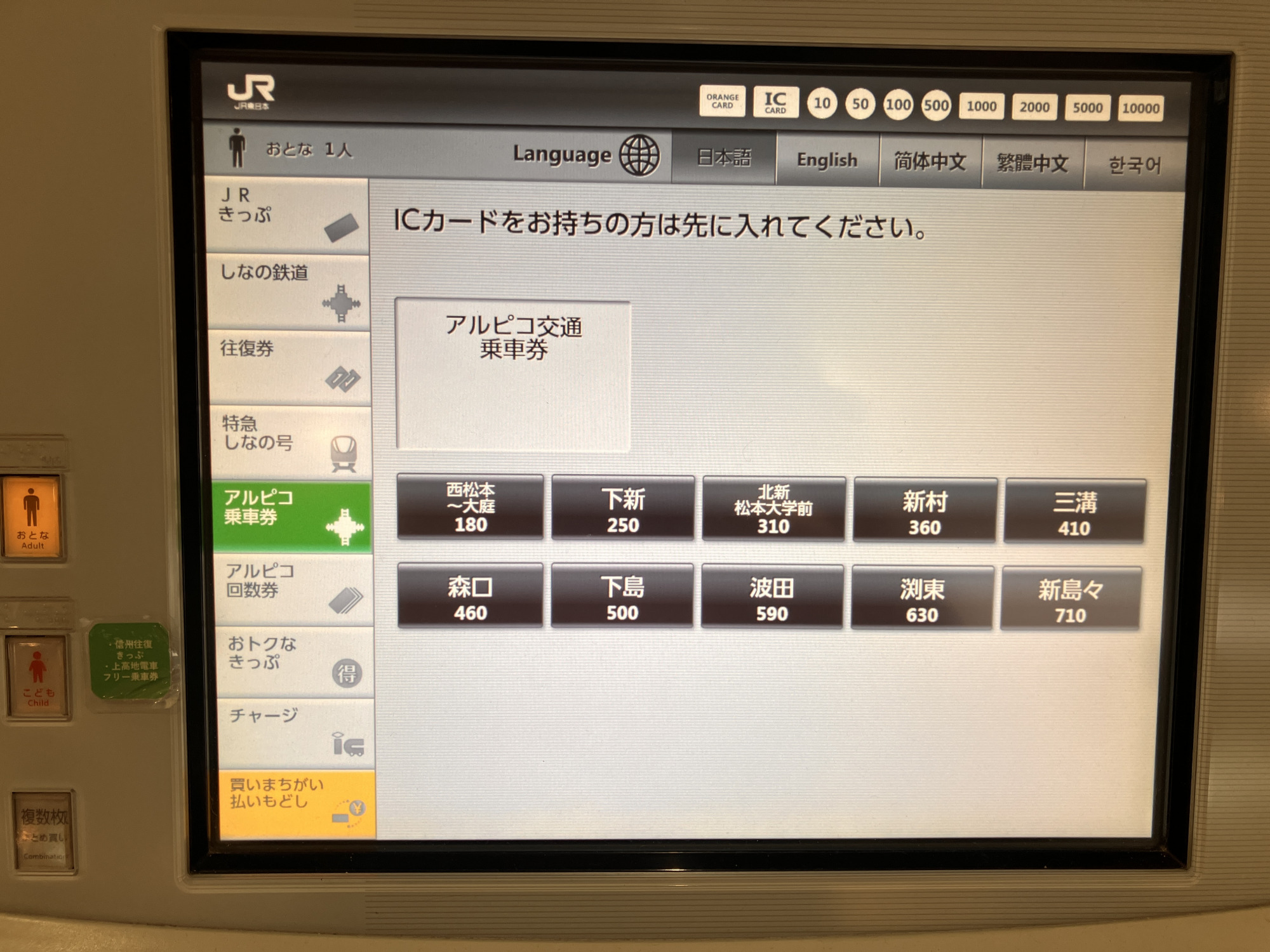
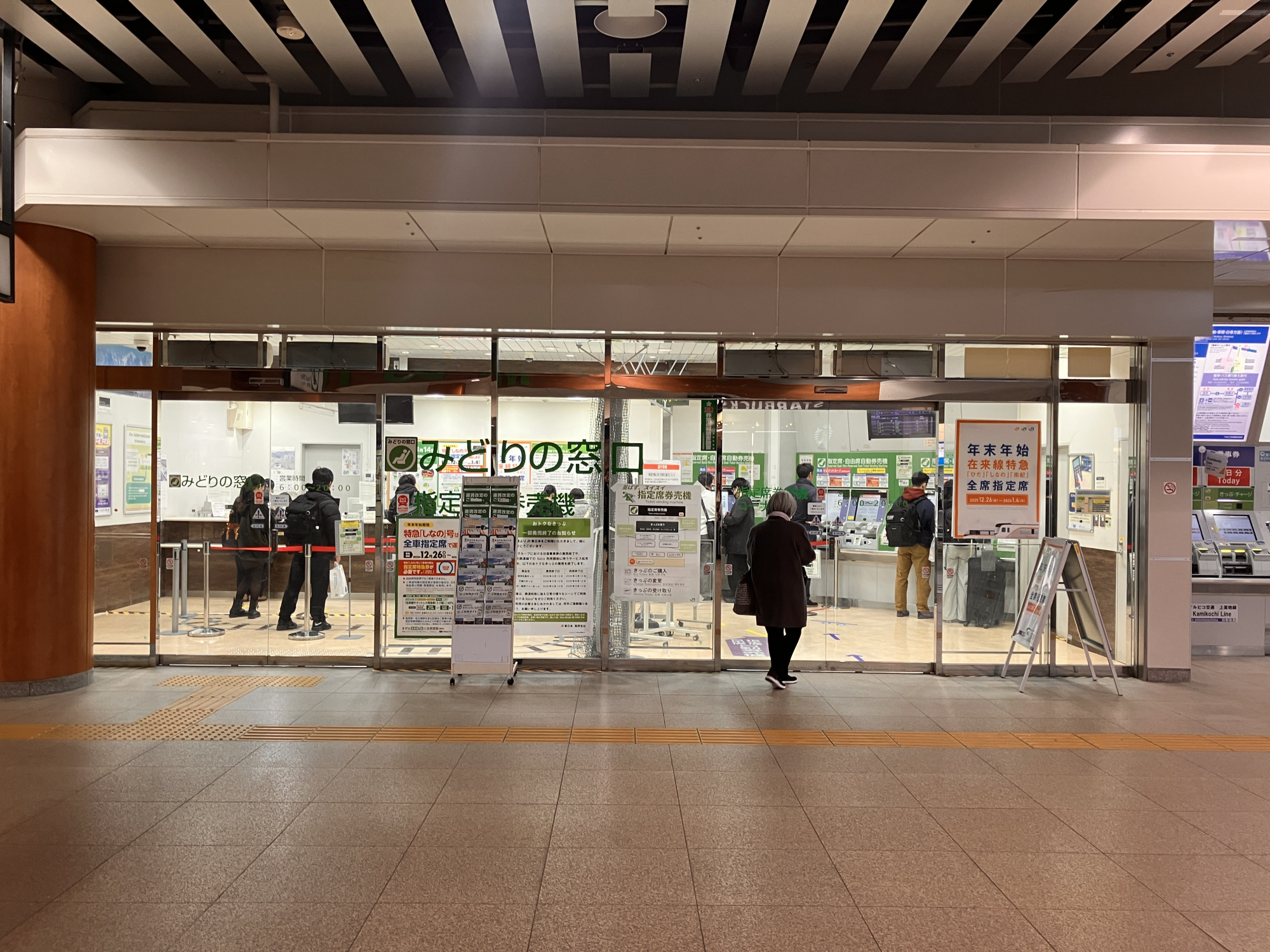
For a smoother trip, you can arrange your tickets in advance at a ticket office (Midori-no-Madoguchi) or a multi-language ticket vending machine in a station. If you’re using the Japan Rail Pass, you’ll be able to get through the automatic turnstile using the pass, but you must have a separate ticket for the reserved seats on the limited express trains. Recently, it’s become normal to purchase tickets on the official online booking website in advance and then carry out smart check-in with just your smartphone screen.
Access by highway bus
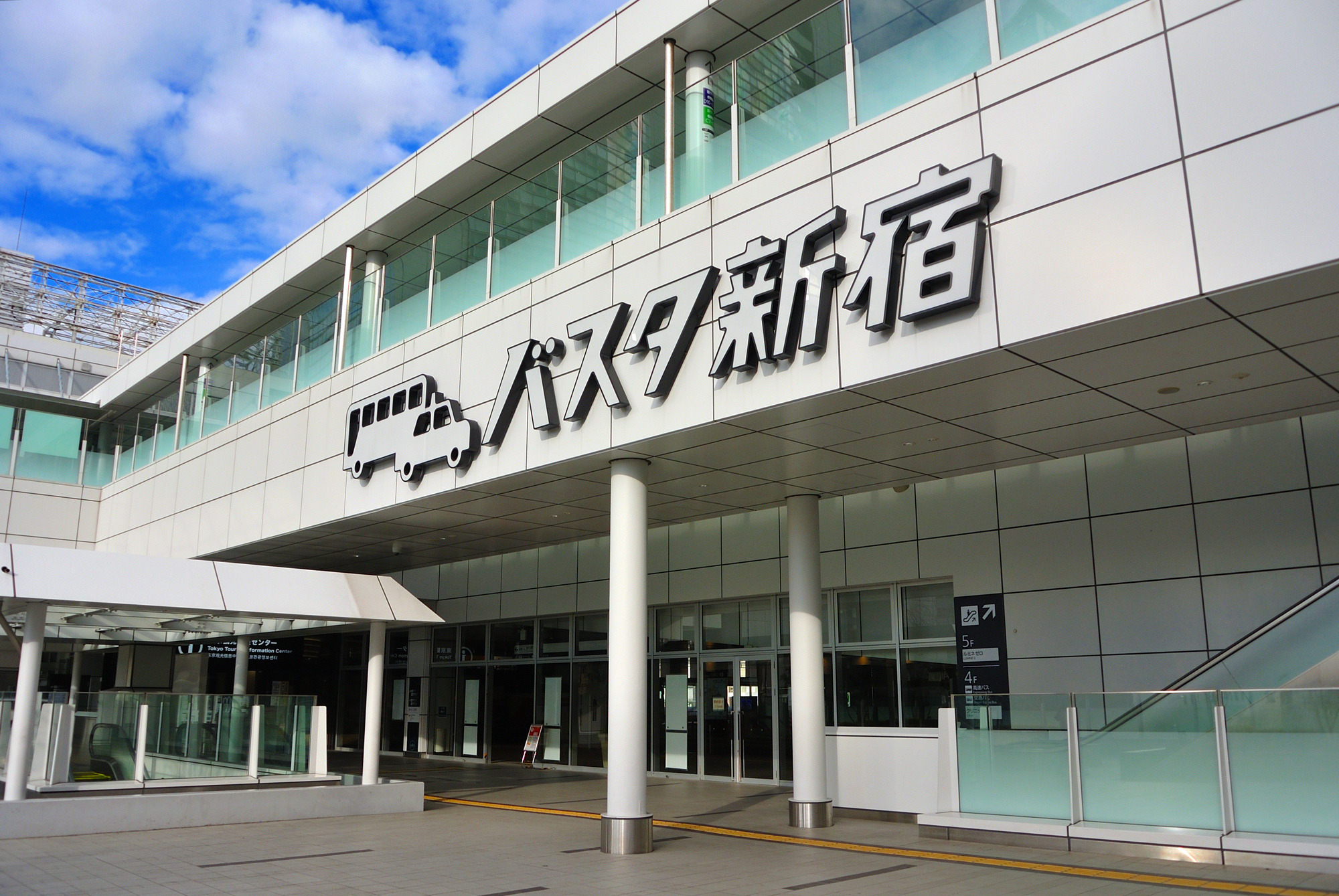
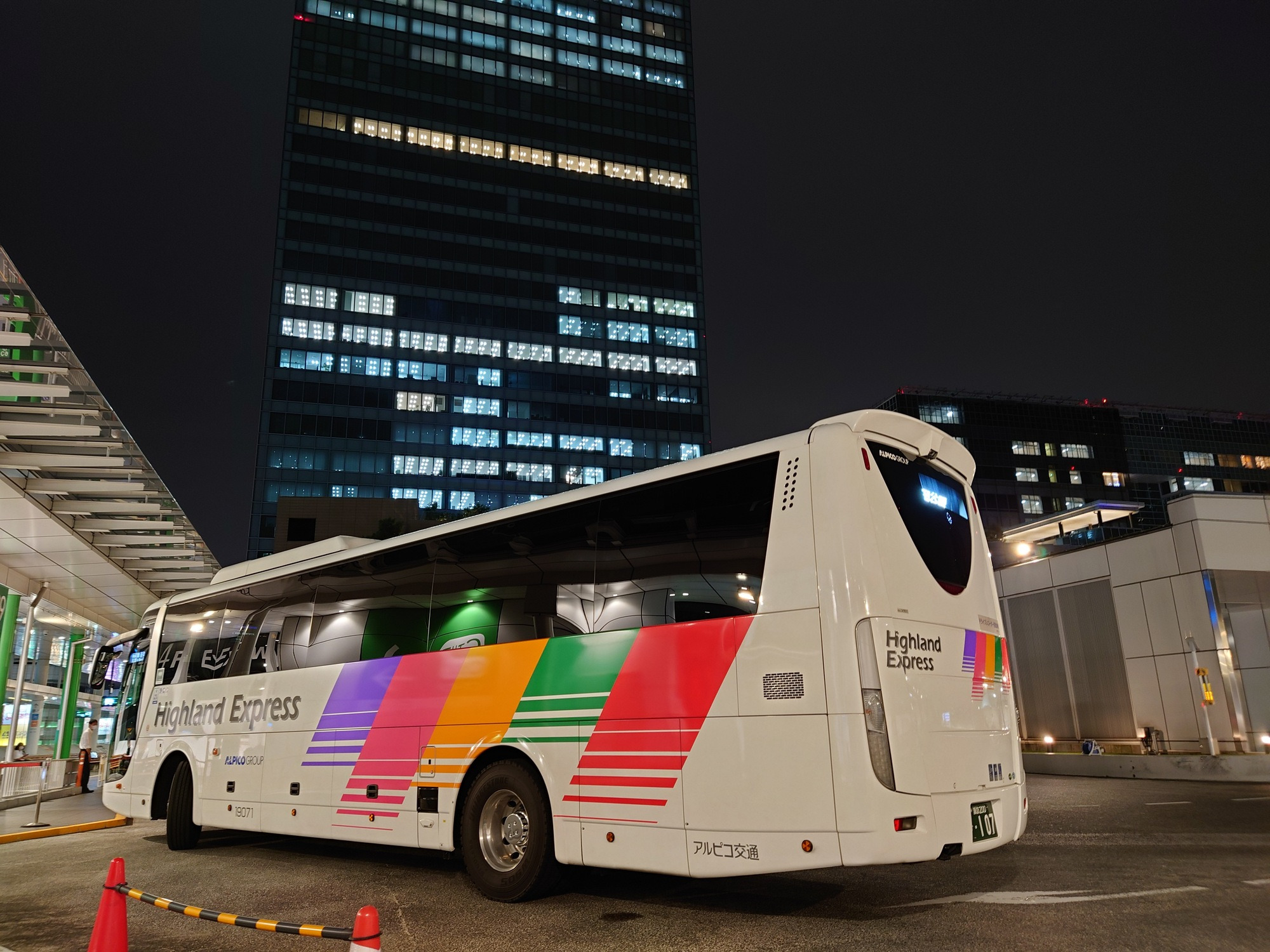
If cost performance is your priority, then the highway bus may be your best option. These run directly to the bus terminal in front of Matsumoto Station from Narita Airport, Shinjuku, Nagoya, Osaka, and Hida-Takayama. Large suitcases can be placed in the luggage space at the bottom of the bus, so you can set off for the Alps with a feeling of lightness.
Access by plane
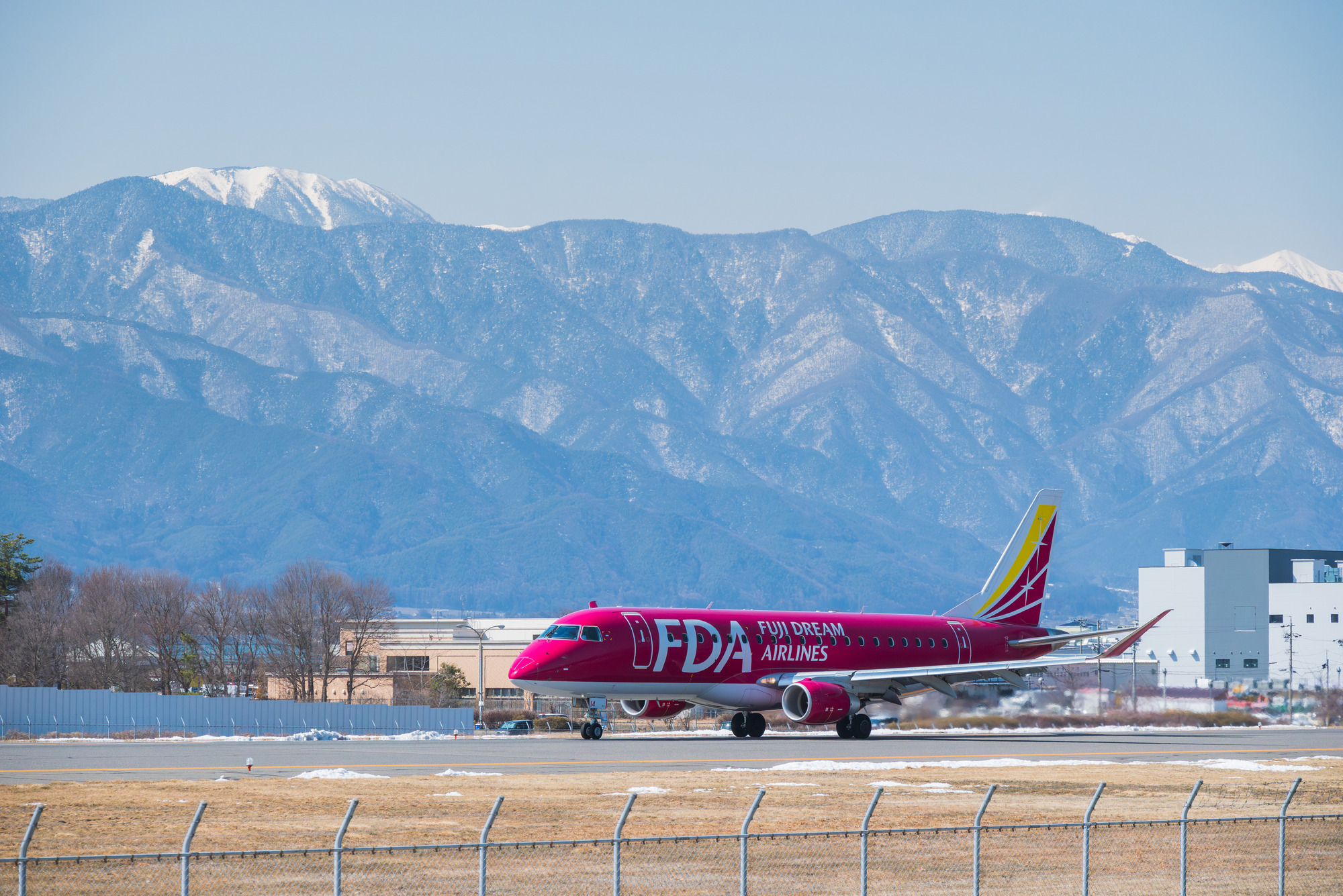
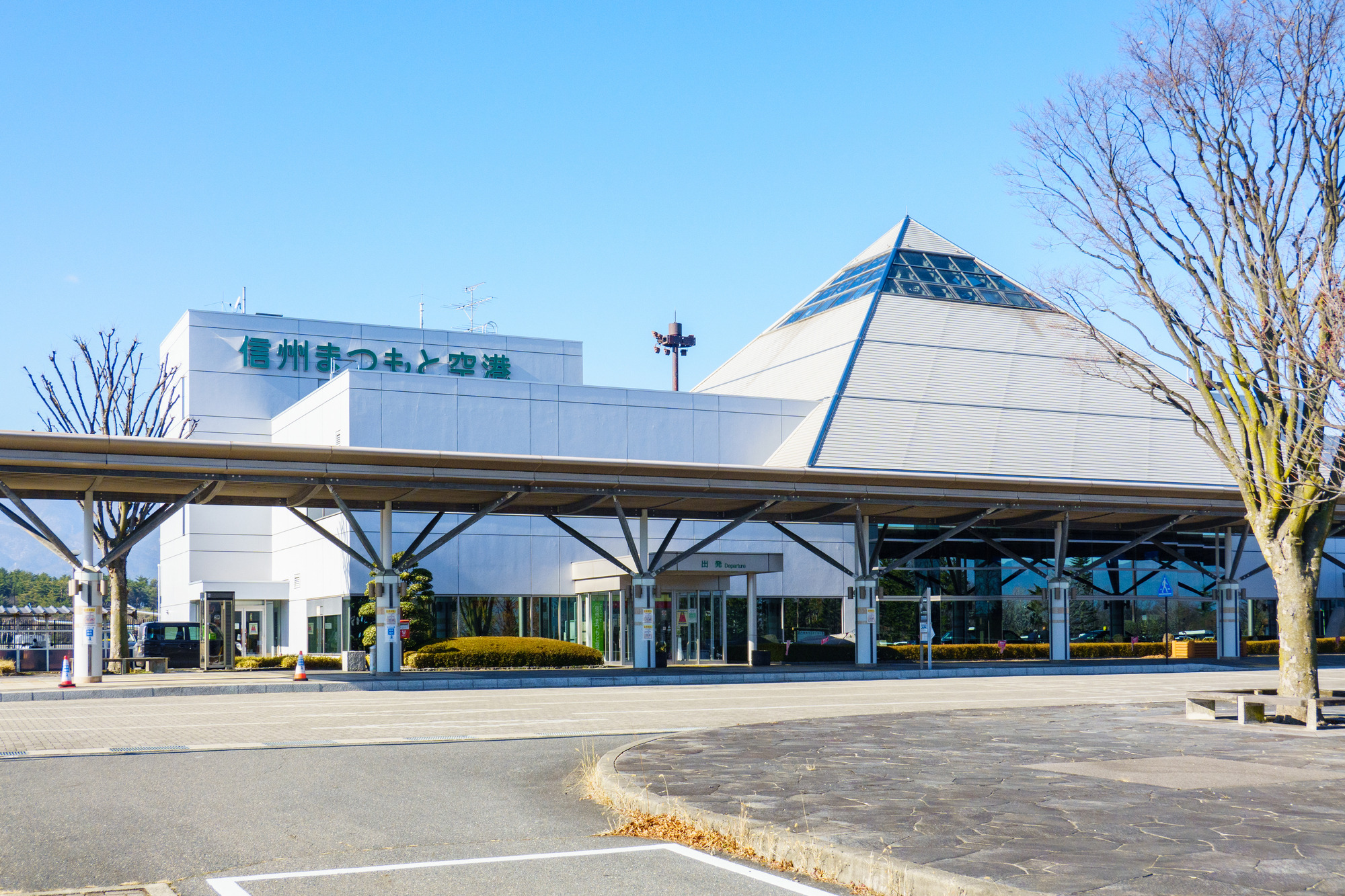
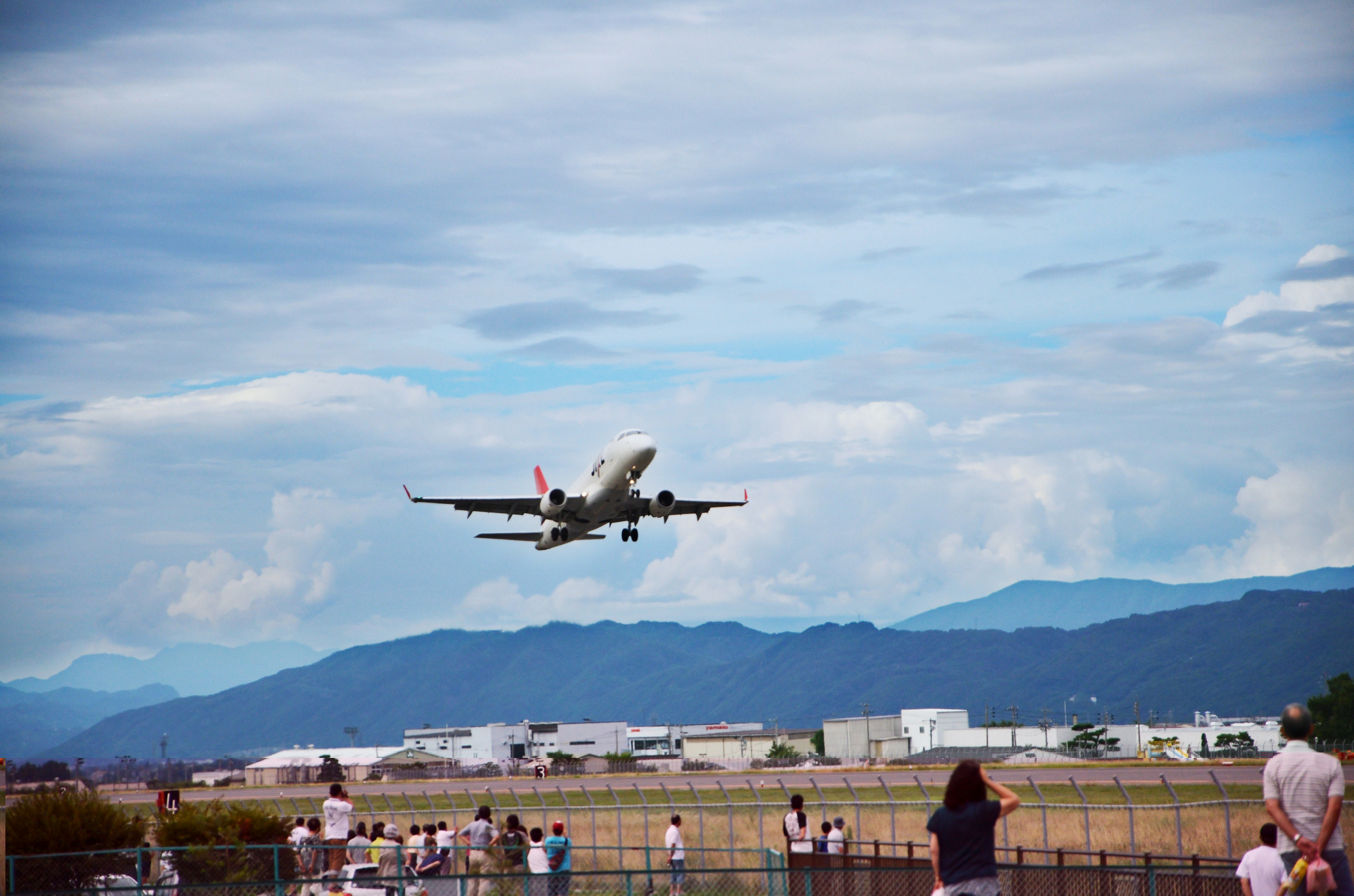
Shinshu Matsumoto Airport lies at an altitude of 657 meters, making it Japan’s closest airport to the sky. You can fly here directly from Sapporo, Fukuoka, and Kobe. The city is reachable from the airport in around 30 minutes by a convenient airport shuttle bus or, if you take a taxi, by private means.
Important information about using cars
We strongly recommend using public transport when traveling around the Matsumoto City area.
If you're unfamiliar with road conditions in Japan, driving during winter is very risky. If you do use a car, please make note of the following points.
Traffic rules and safety
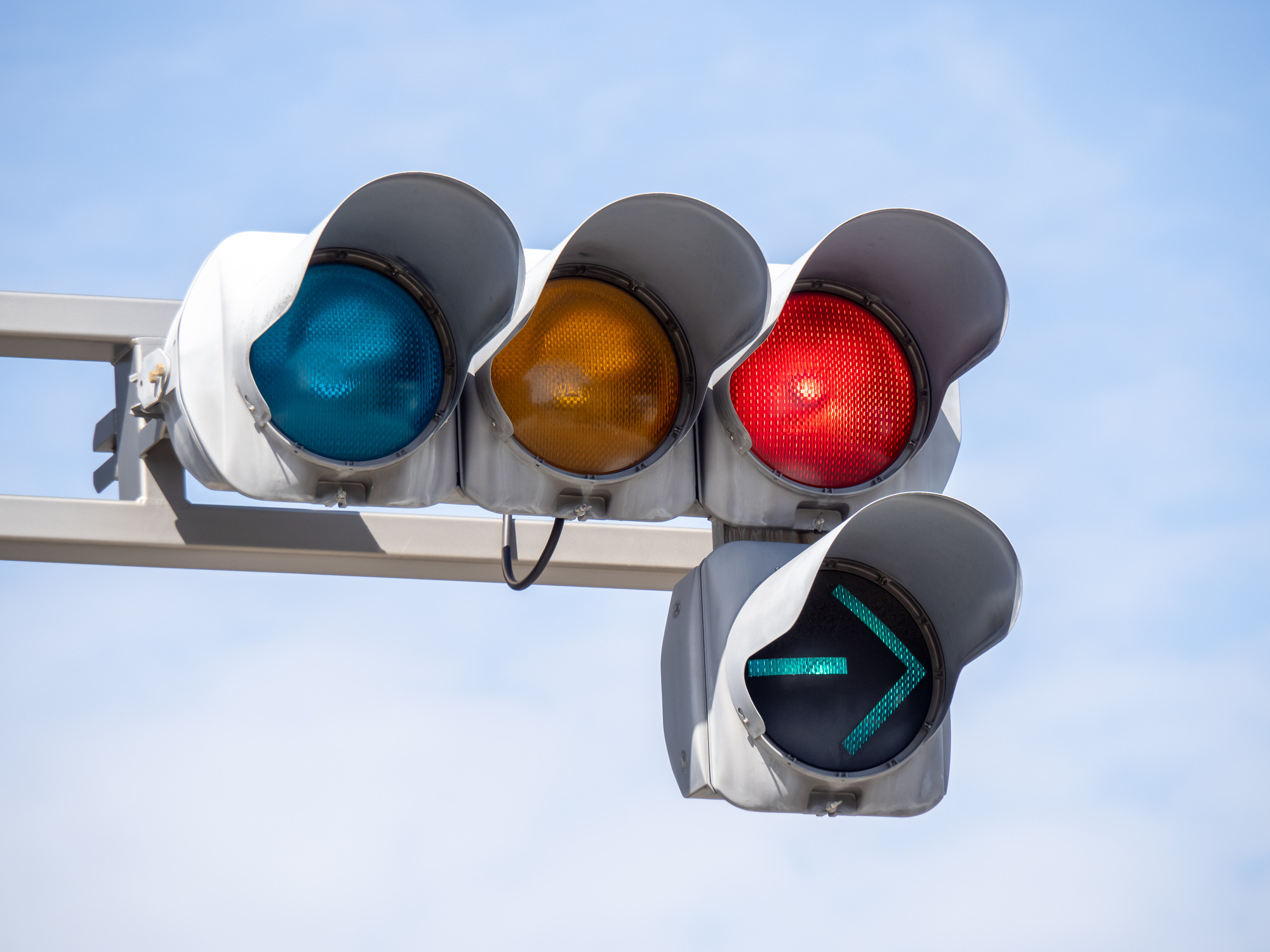
If you intend to drive in Japan, first make sure you are aware of the rule of driving on the left side of the road. Visitors from the UK and Australia will already be very used to this, but travelers from other regions must take note. In Matsumoto, a castle town with lots of narrow lanes and one-way roads, you absolutely must follow the Japanese traffic signs. Read the JAF (Japan Automobile Federation) multilingual guide carefully in advance and make sure you drive safely and respectfully.
Driving during winter
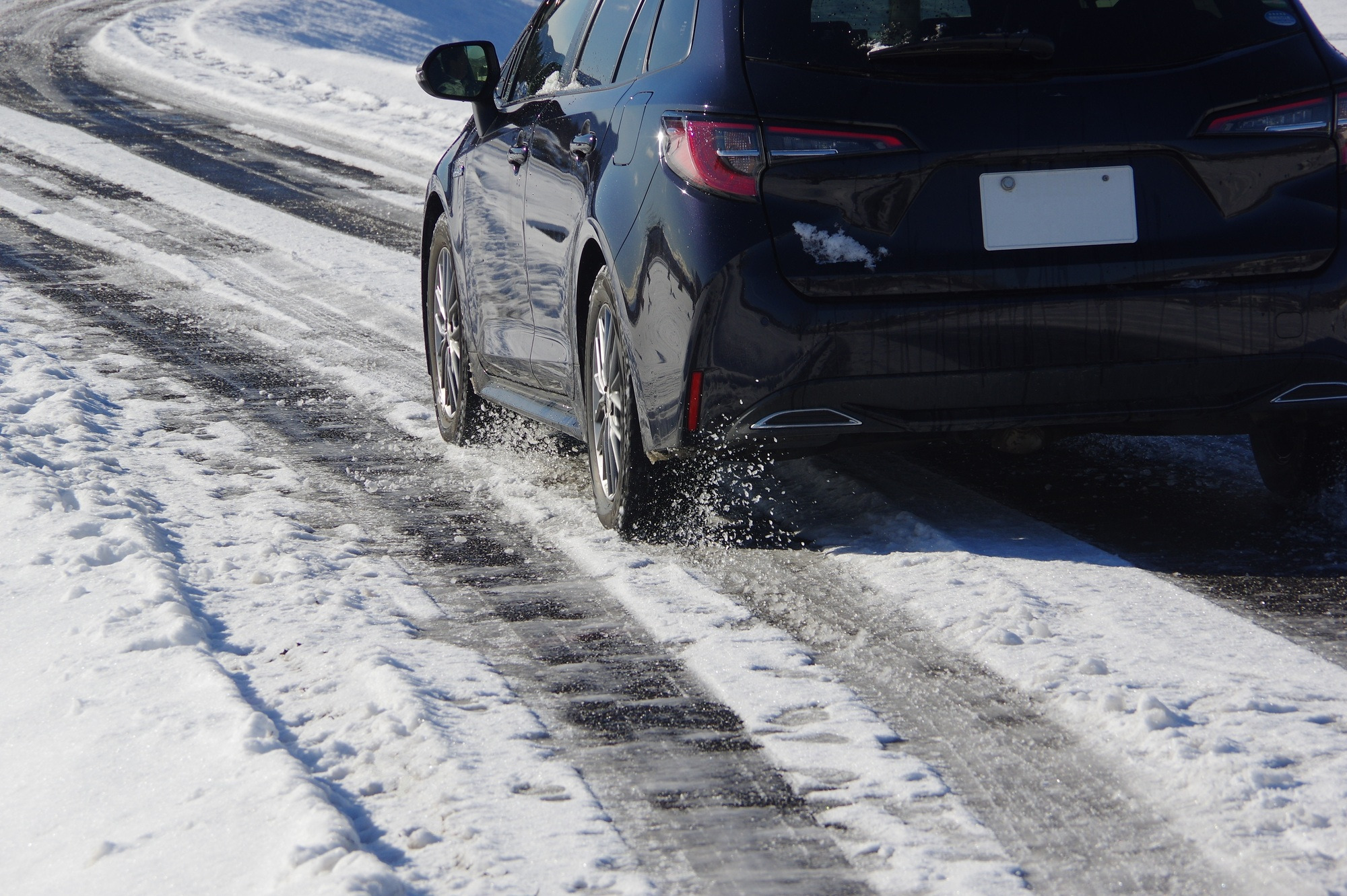
From December to March, Matsumoto transforms into a world of silver-white. During this period, the road surface is always frozen—even if it appears to be clear of snow, there will be a crust of ice, so there is still the hidden danger of “black ice.” Studless tires must be installed on vehicles by law, and for your own safety, do not use a rental car if you have no experience driving on snowy roads: choose reliable and safe public transport.
Column
Direct access from Haneda Airport! Introducing transfer services
If you prefer a freer sightseeing experience, you also have the option of taking an airport pick-up/drop-off shuttle (Chuo Taxi) that runs directly between Haneda Airport and Matsumoto with no changes. This service can take you door-to-door, delivering you to your hotel, and relieves the anxiety of switching between transports with heavy luggage, offering a feeling of security similar to a private concierge.

Transportation within Matsumoto City
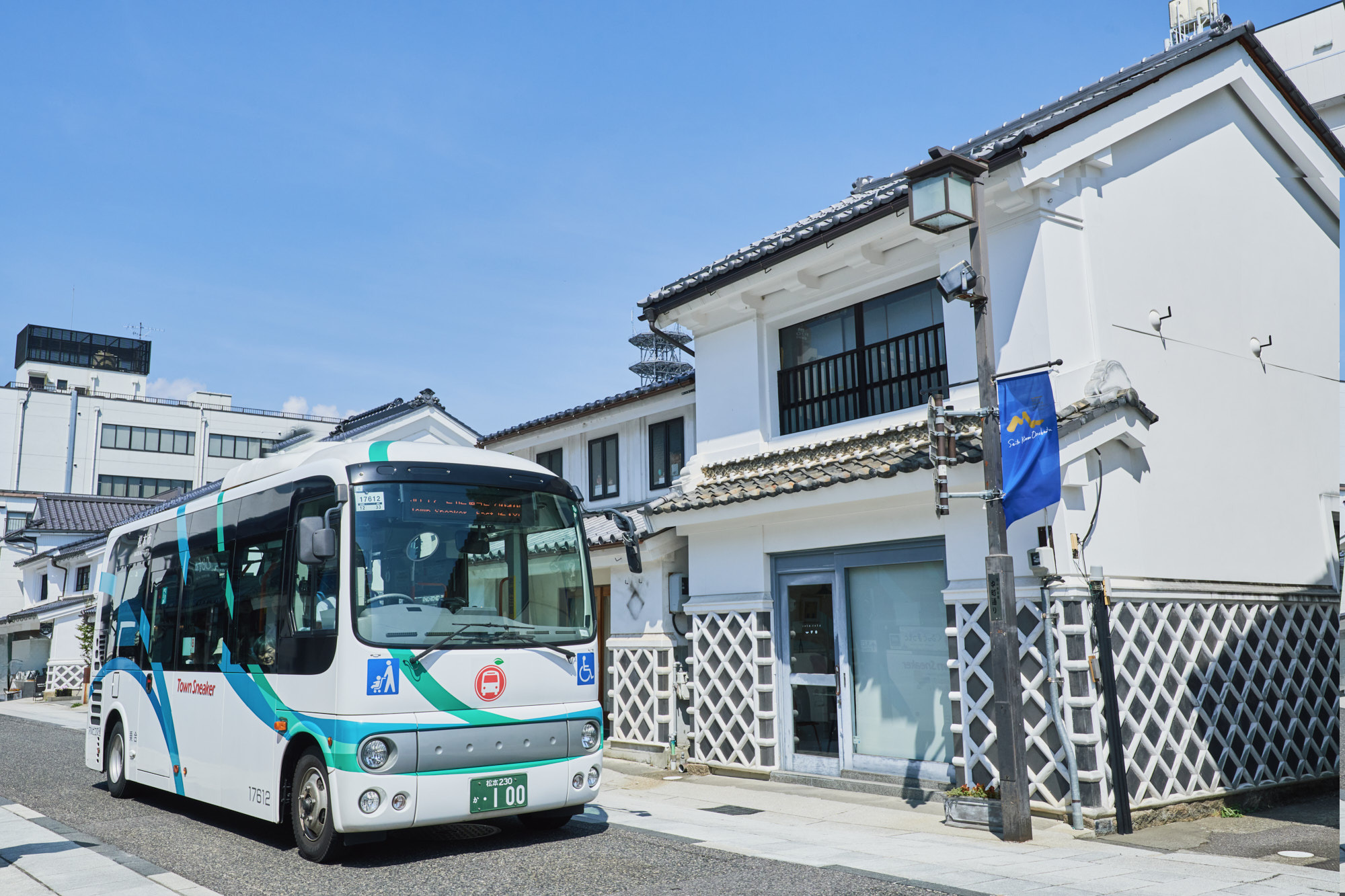
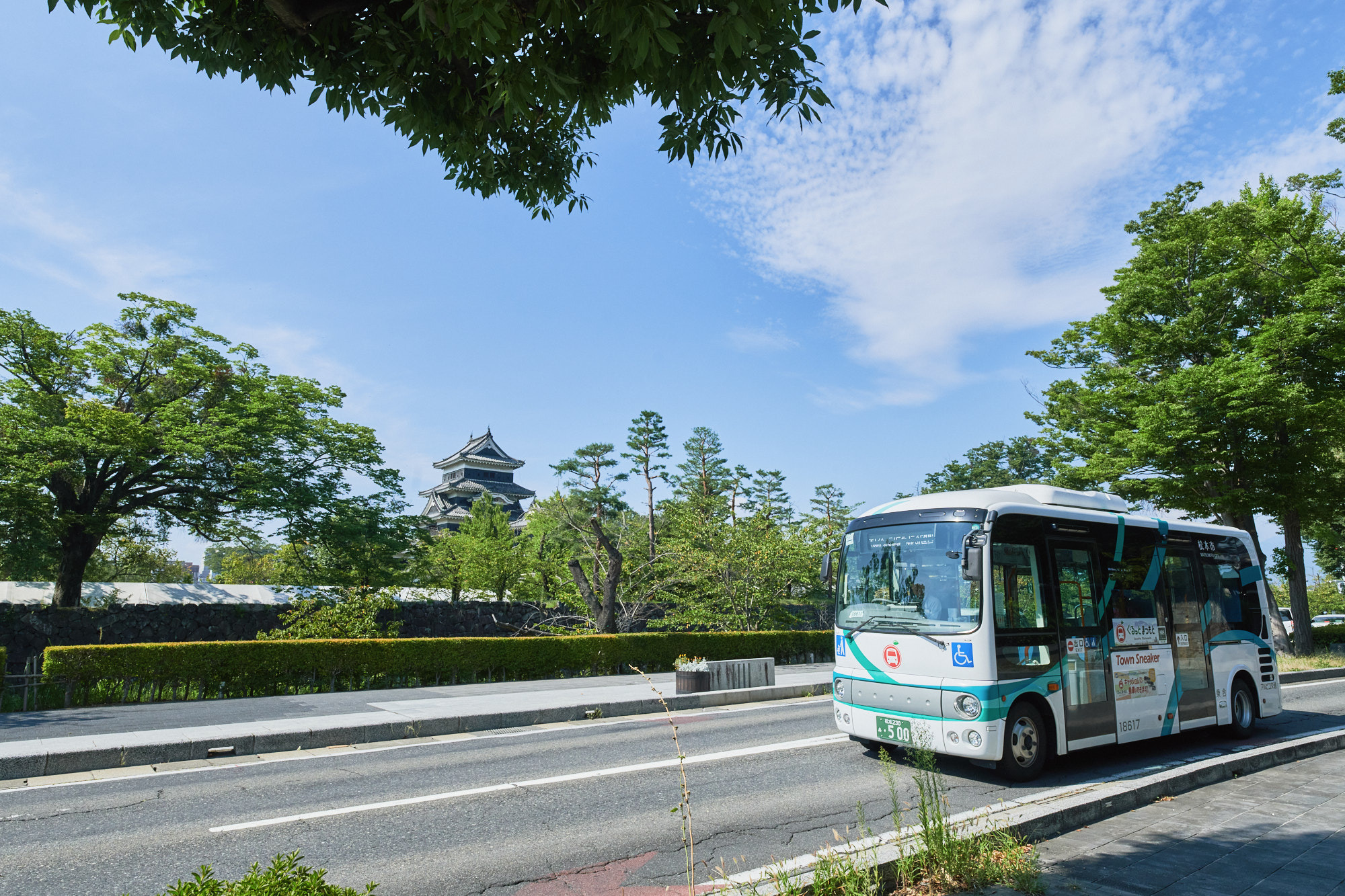
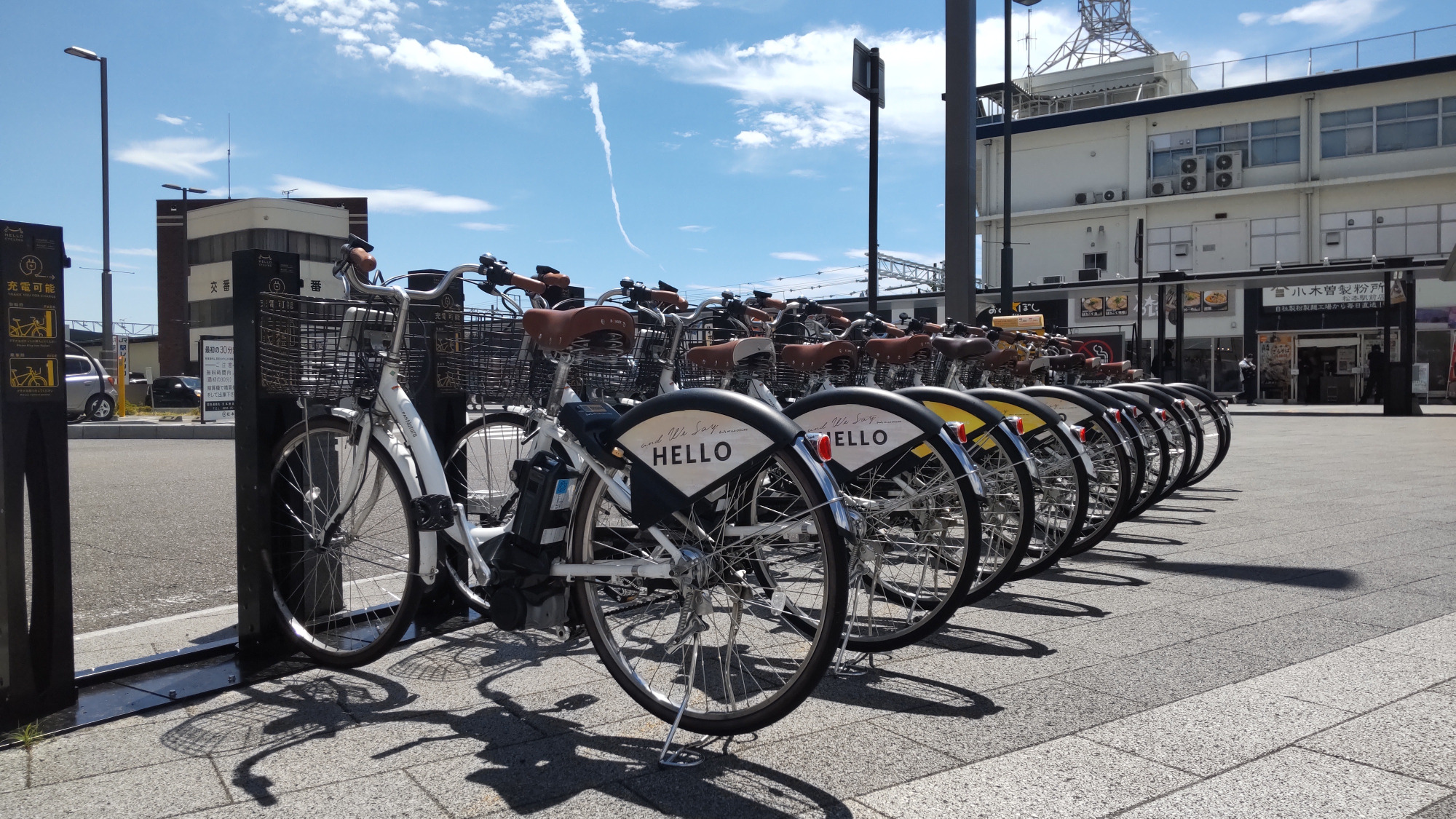
If you’re sightseeing within the city, you’ll find the Town Sneaker loop bus, featuring a pop design, and “share cycles”—environmentally friendly and offering great mobility—very useful. See our guide below for more information about getting around in the city.
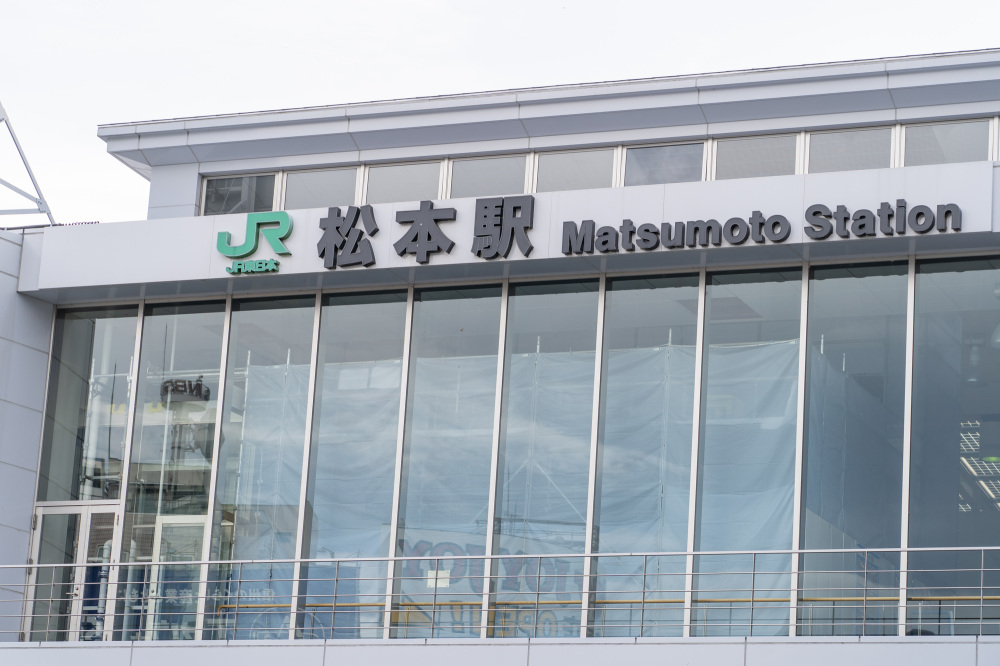
![[First-Time Matsumoto Travel Guide] A Comprehensive Guide to Matsumoto’s Charms: From Stunning Views to Hot Springs and Local Cuisine](/lsc/upfile/article/0000/0028/28_1_m.jpg)
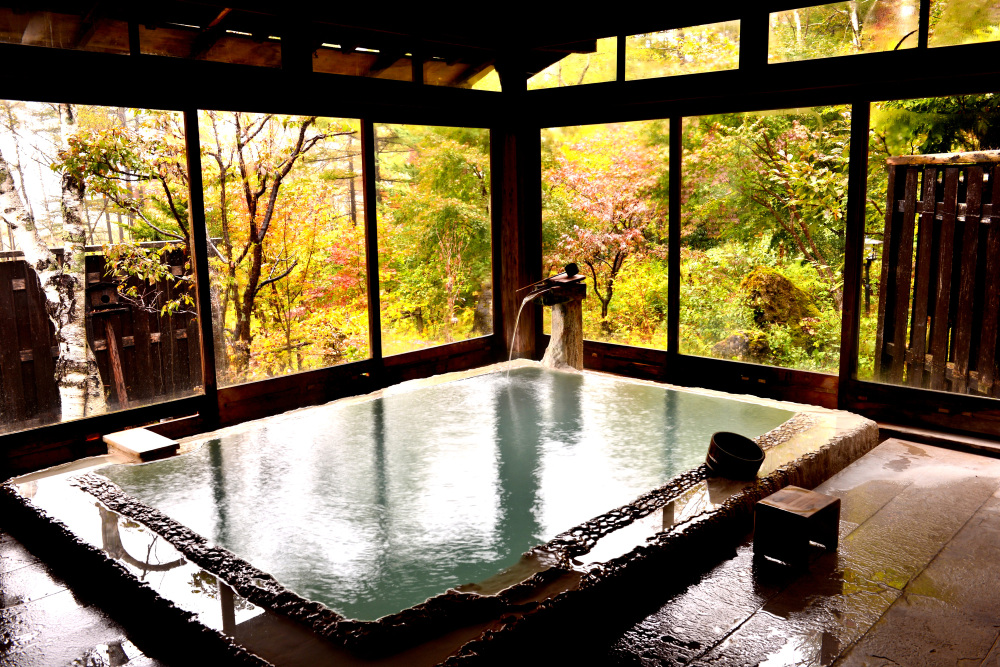
![[The Gateway to the Alps] The highlights of Matsumoto City’s mountain resorts](/lsc/upfile/article/0000/0024/24_1_m.jpg)

![[Available Near Matsumoto Station] 23 Popular Matsumoto Souvenirs!](/lsc/upfile/article/0000/0037/37_1_m.jpg)